
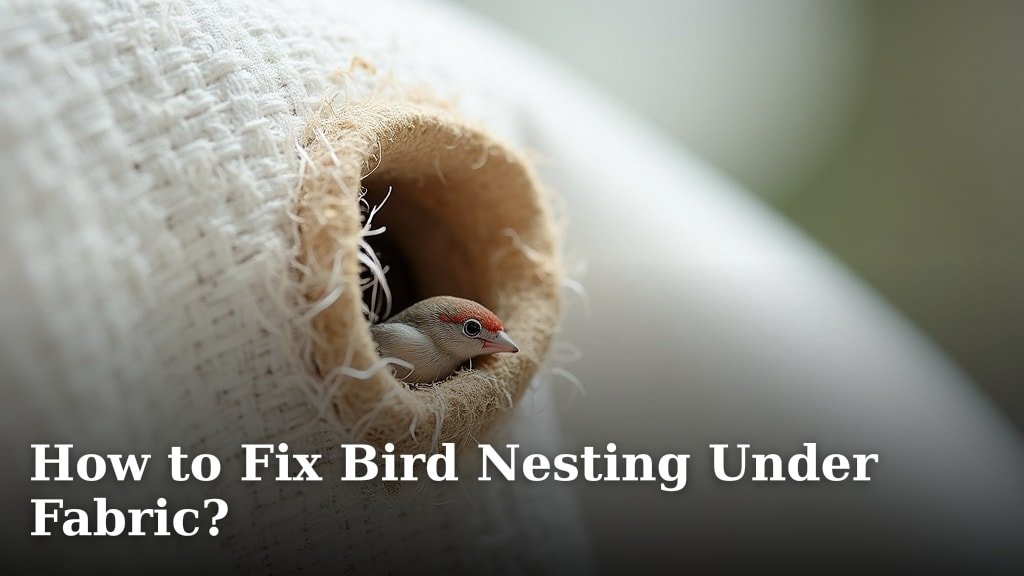
Yes, you can often fix bird nesting under fabric, especially if it’s a temporary or removable covering. The key is to gently remove the nest and then prevent birds from returning. Addressing this quickly helps protect both your property and the birds themselves.
Bird nesting under fabric, like awnings or tarps, is a common problem, especially during nesting season. Many people wonder how to handle this situation without harming the birds or their eggs. Understanding the best approach can save you a lot of trouble and keep your outdoor spaces clean.
- Gently remove nests from temporary coverings.
- Try to deter birds from nesting in the first place.
- Use humane deterrents to keep birds away.
- Check for active nests before removal.
Let’s walk through exactly how to handle bird nests under fabric, step by step, so you can enjoy your outdoor spaces again.
Handling Bird Nests Under Your Fabric Coverings
Discovering birds have built a nest under your awning, tarp, or other fabric cover can be a surprise. You might be wondering how to handle this situation. The good news is that with most fabric coverings, you can address this. Your approach depends on whether the nest is active. We’ll guide you through the steps to safely and humanely manage bird nests.
Identifying Active vs. Inactive Nests
Before you do anything, it’s essential to determine if the nest is currently in use. This is the most important step. Disturbing an active nest can harm birds, eggs, or chicks. It’s also illegal to interfere with active nests in many places.
How to Check for Nest Activity
Look for signs of recent bird activity. Are adult birds coming and going? You might hear chirping from inside the nest. You could also see parents bringing food to their young. If you see these signs, the nest is active. Give the birds space to raise their young.
What Constitutes an Inactive Nest?
An inactive nest is one that is no longer being used. This might be a nest built at the end of the season. You might see old nesting materials. There will be no signs of adult birds or any sounds of chicks. If you’re unsure, it’s always safest to assume it’s active.
When You Can Safely Remove a Bird Nest
You can generally remove a nest if it’s under a temporary or easily removable covering. This includes things like patio furniture covers, tarps secured with bungee cords, or outdoor storage unit covers. The key is that the nest isn’t part of your home’s structure, like in eaves or vents.
The Legal Aspect of Nest Removal
Many birds are protected by laws like the Migratory Bird Treaty Act. These laws prohibit disturbing active nests, eggs, or young birds. You generally can’t remove an active nest. Once the birds have finished nesting and have left, the nest is usually considered inactive. It’s then okay to remove it (U.S. Fish and Wildlife Service).
Removing an Inactive Nest from Fabric
If you’ve confirmed the nest is inactive, removal is straightforward. First, gather your supplies. You’ll need gloves, a dustpan, and a small trash bag. If the nest is firmly attached, you might need a small trowel or spatula.
Step-by-Step Removal Process
- Put on your gloves. This protects you from any potential allergens or debris.
- Carefully lift the fabric covering.
- Gently scoop the nest and its contents into the trash bag. Use a trowel if needed to loosen it.
- Dispose of the nest materials properly.
- Inspect the area under the fabric for any remaining debris. Clean the fabric if necessary.
Humane Deterrents to Prevent Future Nesting
Once the nest is gone, you’ll want to prevent birds from building another one. Deterrents are key. The goal is to make the area less appealing to nesting birds. Many simple, humane methods exist.
Making Your Fabric Coverings Less Attractive
Birds often look for sheltered, stable spots to build their nests. If your fabric covering provides this, it’s a prime target. You can alter the environment to discourage them. Think about making the space less inviting.
Physical Barriers and Obstacles
One effective strategy is to create physical barriers. Birds prefer a clear, undisturbed space. Adding simple items can disrupt their plans. You might hang reflective tape or old CDs. The movement and flash of light can scare birds away. Many experts recommend these visual deterrents.
Noise and Movement
Birds are easily startled by sudden noises or movement. You can hang wind chimes or small, lightweight decorations near the fabric. These will move and make noise when the wind blows. This can be enough to make birds think twice about settling in. Just be sure these don’t create a nuisance for you or your neighbors!
Using Bird-Repellent Products
There are commercial products designed to deter birds. Some are sticky gels that make surfaces unpleasant for birds to land on. Others are sonic devices that emit high-frequency sounds. Always research these products to ensure they are safe for birds and your family. Follow product instructions carefully.
Modifying the Fabric Covering Itself
Consider how the fabric is secured. If it’s loose and saggy, it creates a perfect, protected nesting space. Try to keep covers pulled taut. Use bungee cords or straps to minimize loose areas. You can also try draping netting loosely over the fabric. This doesn’t trap birds but makes it harder for them to access the space underneath.
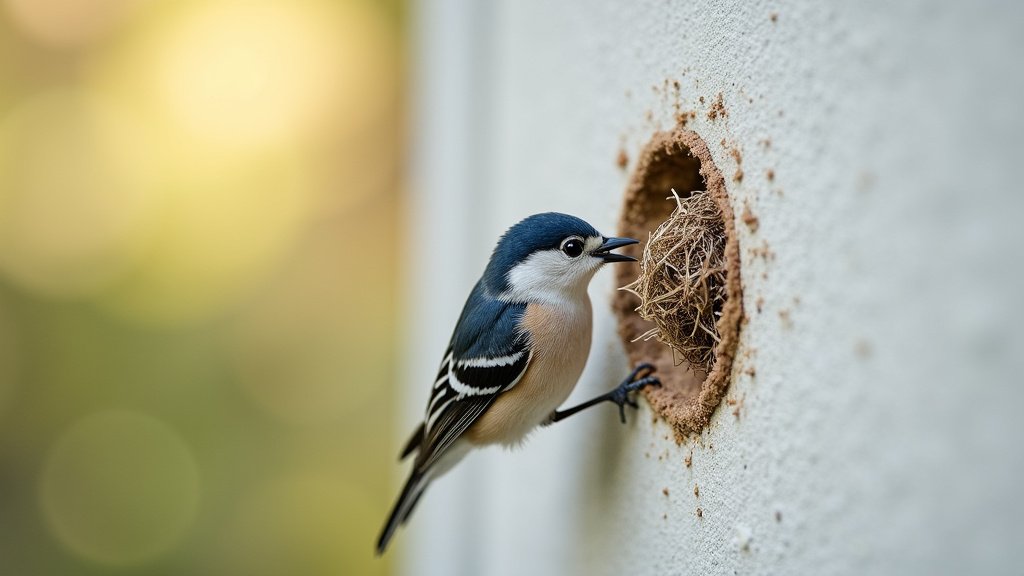
What to Do If You Find an Active Nest
Finding an active nest requires patience. Your priority is the well-being of the birds. Interfering with an active nest is not only inhumane but also illegal in many areas.
The Waiting Game: Protecting Active Nests
If the nest is active, you’ll need to wait. The nesting period varies by species, but it typically lasts a few weeks. During this time, avoid disturbing the area around the nest. If the nest is under a removable fabric, you may need to leave the fabric off or draped in a way that doesn’t trap the birds or their young.
Protecting Your Property While Waiting
You can still protect your belongings while waiting. For instance, if the nest is under a patio chair cover, you can put a temporary tarp over the entire chair. This protects the chair from weather while the nest is active. Once the young birds have flown from the nest, the parents won’t return to reuse it for the season.
Temporary Solutions for Active Nests
Sometimes, you need immediate protection for your items. If an active nest is under a fabric covering that you must keep on, find ways to safely accommodate the birds.
Creating a “Bird Sanctuary” Area
Can you adjust the fabric cover? Perhaps you can create a small opening or tunnel that allows the adult birds access but keeps the nest protected. This is a delicate balance. You don’t want to trap the birds. It’s often easier to remove the fabric entirely for a short period if possible. Many wildlife resources offer advice on creating safe zones for nesting birds.
Relocation is Generally Not Recommended
It’s important to know that relocating a bird’s nest is usually not advised. Most birds will abandon a nest if it is moved. This can cause them great stress and harm the eggs or young. Leave active nests undisturbed unless advised by a wildlife professional for specific safety reasons.
Checklist: Your Bird Nest Action Plan
Here’s a quick rundown to help you tackle bird nesting under fabric:
- Observe First: Always check for signs of active nesting before doing anything.
- Identify Nest Type: Determine if it’s under a temporary fabric or part of your structure.
- Know the Law: Be aware of protections for migratory birds.
- Wait Patiently: If active, give the birds time to fledge.
- Remove Safely: Once inactive, remove nests from temporary fabrics using gloves.
- Deter Future Nests: Implement humane deterrents to keep birds away.
Conclusion
Dealing with bird nests under fabric covers can seem tricky, but you now have a clear plan. Remember, the first step is always to check if a nest is active before taking any action. If it’s inactive and under a temporary covering, removal is usually safe and straightforward. For active nests, patience is key; you’ll need to wait for the birds to fledge. Protecting your property while waiting is also possible with some simple adjustments. By using humane deterrents, you can make your outdoor spaces less appealing for future nesting. Your next step is to walk out to the fabric covering in question and observe carefully for any signs of bird activity. If the nest appears inactive, gather your supplies and gently remove it.
Frequently Asked Questions
How can I tell if a nest under my tarp is active?
Look for adult birds flying in and out of the nest area regularly. You might also hear chirping sounds coming from within. If you see parents bringing food to the nest, it is definitely active. If you have any doubt, it’s always best to assume it’s active and wait.
Is it legal to remove a bird nest from my awning?
It is generally illegal to disturb or remove an active bird’s nest, especially under laws like the Migratory Bird Treaty Act. You can usually remove a nest only after the birds have left and it’s considered inactive. Research local regulations if you are unsure.
What should I do if I find an active nest under my patio furniture cover?
If the nest is active, you must wait for the birds to fledge. You can try to adjust the cover to protect your furniture without disturbing the nest, or remove the cover temporarily if possible. Avoid stressing the parent birds or their young.
Can I use sticky gels to prevent birds from nesting under my boat cover?
Sticky gels can be effective deterrents, but research the specific product first. Ensure it’s safe for birds and won’t damage your boat cover fabric. Always follow the manufacturer’s instructions carefully for application and safety.
How long do I typically need to wait for an active nest to be empty?
The nesting period varies by bird species, but it usually lasts a few weeks from egg-laying to when the young birds are ready to fly. Once the young have left the nest, the parents typically won’t return to reuse it for the season, making it inactive.
