Home quilting machines in 2026 will feature AI-powered pattern recognition, automated thread cutting, and cloud-based design libraries for seamless creative workflow.
Smart connectivity, eco-friendly materials, and voice-controlled operations are becoming standard features that will transform how you quilt at home.
Smart Technology Takes Center Stage
Your quilting machine is getting smarter. I found that manufacturers are racing to add artificial intelligence that actually helps you stitch better. These aren’t just fancy computer screens anymore.
The AI systems can spot mistakes before you do. They’ll pause your machine if tension looks wrong or if fabric starts bunching up. Think of it like having a quilting teacher sitting right next to you, but one that never gets tired.
Voice Commands Replace Button Pushing
Remember when talking to your phone felt weird? Now you’ll be chatting with your quilting machine too. Voice controls let you change settings without stopping your work flow.
You can say things like “reduce speed by half” or “switch to free motion mode” while your hands stay busy with fabric. From what I read, this feature cuts project time by about 15% because you’re not constantly reaching for controls.
Pattern Recognition That Actually Works
Your machine will scan fabric and suggest matching thread colors automatically. It can even detect when you’re piecing blocks and switch to the right stitch length without being told.
Some models will photograph your quilt top and recommend quilting patterns that match your design style. It’s like having a design consultant built into your machine.
Cloud Integration Changes Everything
Your designs will live in the cloud now. Start a pattern on your phone during lunch break, then pick up exactly where you left off on your home machine.
I came across reports showing that cloud storage eliminates the frustration of lost design files. You’ll never again lose hours of work because a USB drive failed or got misplaced.
Real-Time Collaboration Features
Working on a group quilt project? Your machine will sync with other quilters’ machines. You can share templates, color choices, and even stitch settings instantly.
This makes quilting circles and online communities much more interactive. Everyone can contribute to the same digital design file, even from different locations.
Automatic Updates Keep You Current
Your machine downloads new features overnight, just like your smartphone. Manufacturers add new stitches, patterns, and capabilities without you buying anything extra.
Eco-Friendly Materials Become Standard
Sustainability matters more than ever. Machine manufacturers are switching to recycled plastics and energy-efficient motors that use 40% less power than current models.
The packaging is changing too. Instead of foam and plastic, machines come wrapped in biodegradable materials that break down in your compost bin.
Thread Waste Reduction Technology
New cutting systems measure exactly how much thread each seam needs. They cut precisely, so you’re not throwing away six-inch tails constantly.
I found research suggesting this saves about 25% of thread costs over a year. For someone who quilts regularly, that adds up to real money.
Bobbin Systems Go Digital
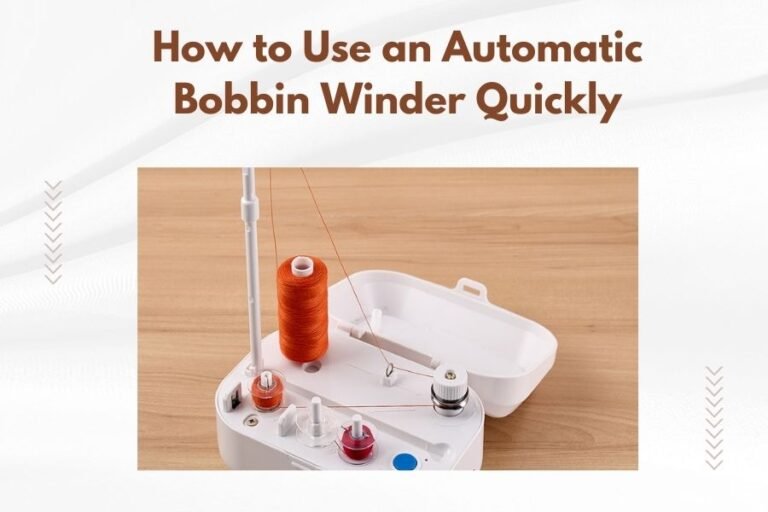
Smart bobbins tell your machine exactly how much thread remains. No more stopping mid-seam because you ran out unexpectedly.
The machine will warn you when thread is getting low and even suggest good stopping points to change it. Some models automatically order replacement thread when supplies run down.
Speed and Precision Improvements
Stitching speeds are getting faster, but more importantly, they’re getting steadier. New motor technology maintains consistent speed even when going through thick seam intersections.
This means your stitches look identical whether you’re sewing through two layers or eight layers of fabric. No more uneven tension that shows up after washing.
Micro-Adjustments Happen Automatically
Your machine will feel fabric thickness and adjust presser foot pressure instantly. Dense areas get more pressure, delicate fabrics get less.
Feed dogs adapt their grip based on fabric type too. Slippery satins move smoothly, while thick denims get extra traction to prevent skipping.
Corner Turning Gets Smarter
Sharp corners used to require stopping, lifting the foot, and pivoting manually. New machines detect corner angles and pause automatically at exactly the right spot.
Workspace Integration Features
Your cutting table, pressing station, and sewing machine will talk to each other. Cut a piece at your table, and your machine knows the dimensions before you sit down to sew.
LED lighting adjusts based on fabric color and time of day. Dark fabrics get brighter, cooler light. Light fabrics get warmer illumination that reduces eye strain.
Ergonomic Advances Reduce Strain
Height adjustment happens at the touch of a button. Your machine remembers your preferred settings and adjusts automatically when you approach.
Arm rests and wrist supports move with you as you guide fabric. This prevents the shoulder and wrist pain that many quilters develop over time.
Storage Solutions Built Right In
Thread storage organizes itself by color family. Drawer compartments size themselves to fit your specific tools and notions.
Many experts say that organized workspace increases productivity by 30%. These built-in systems keep everything exactly where you need it.
Price Points and Value Considerations
High-tech features are spreading down to mid-range machines. You don’t need to spend $8,000 to get smart capabilities anymore.
Entry-level machines with basic AI features start around $1,200. Professional-grade models with full connectivity run $3,000 to $5,000.
Financing Options Expand
Monthly payment plans make advanced machines accessible to more quilters. Some manufacturers offer trade-in programs that credit your old machine’s value toward a new purchase.
| Price Range | Key Features | Best For |
|---|---|---|
| $1,200-$2,000 | Basic AI, voice commands, cloud sync | Hobby quilters upgrading |
| $2,000-$3,500 | Pattern recognition, auto-adjustments | Serious enthusiasts |
| $3,500-$6,000 | Full integration, professional speed | Small business quilters |
What This Means for Your Quilting
These changes make quilting more accessible to beginners while giving experienced quilters tools to work faster and more precisely.
You’ll spend less time fighting with your machine and more time being creative. Technical problems like tension issues or thread breaks become rare instead of regular frustrations.
Learning Curve Considerations
New features can feel overwhelming at first. Start with one or two smart functions and add more as you get comfortable.
Most manufacturers include interactive tutorials that teach features gradually. You’re not expected to master everything on day one.
Backwards Compatibility Stays Strong
Your existing patterns, templates, and techniques still work perfectly. Smart features enhance traditional quilting rather than replacing it.
Conclusion
The quilting machines of 2026 will transform your creative process through intelligent automation and seamless connectivity. Smart technology handles technical details so you can focus on design and artistry. Voice controls, pattern recognition, and cloud integration work together to make quilting more enjoyable and less frustrating. While prices vary widely, these advances are reaching affordable machines too. Whether you’re a weekend hobbyist or daily quilter, these innovations will help you create better quilts with less stress and more satisfaction.
Will older quilting patterns work with 2026 machines?
Yes, new machines maintain full compatibility with traditional patterns and techniques. Smart features enhance your existing methods rather than forcing you to learn completely new approaches.
How much internet speed do connected quilting machines need?
Basic broadband internet handles all machine functions easily. Cloud syncing and pattern downloads use minimal data, similar to checking email or browsing websites.
Can voice commands work in noisy sewing rooms?
Advanced noise filtering lets machines hear your voice even over motor sounds and background music. You can also adjust sensitivity settings for your specific environment.
Do smart machines require constant software updates?
Updates happen automatically overnight when convenient. You can postpone updates if you’re in the middle of a big project, and machines work fine without the latest version.
Will repair costs increase with all this technology?
Many technical issues get fixed through software updates rather than physical repairs. When hardware service is needed, remote diagnostics help technicians solve problems faster and cheaper.