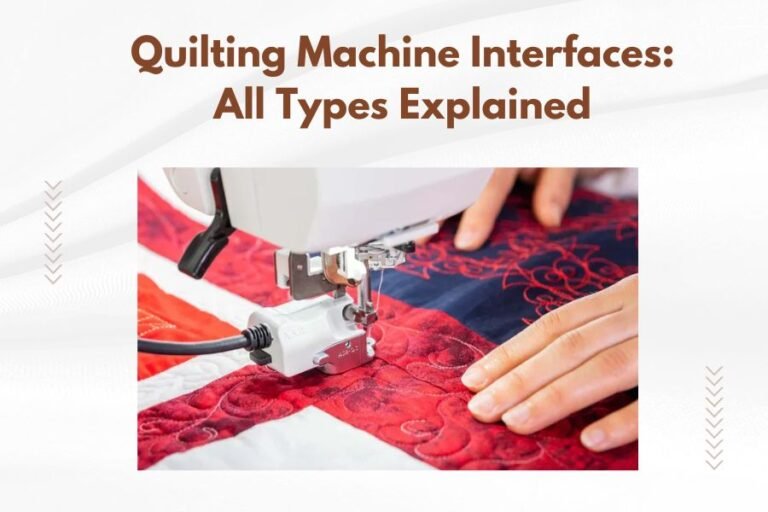

A glide foot is a specialized quilting foot with a rounded surface that helps fabric move smoothly under your sewing machine needle, reducing drag and preventing puckering during free-motion quilting.
To use a glide foot for smooth quilting, attach it to your machine, lower the feed dogs, engage free-motion mode, and guide your fabric with steady hand movements while maintaining consistent stitch speed.
What Is a Glide Foot and Why Do You Need One?
Think of a glide foot as ice skates for your sewing machine. Just like skates glide smoothly across ice, this special foot glides effortlessly across fabric.
The foot features a smooth, rounded bottom made from materials like Teflon or metal. This design reduces friction between the foot and fabric, allowing your quilt to move freely in any direction.
Regular presser feet can grab and drag fabric, creating uneven stitches. A glide foot solves this problem by letting fabric flow naturally under the needle.
Different Types of Glide Feet
You’ll find several glide foot options on the market. Each type offers unique benefits for different quilting projects.
Teflon Feet
Teflon-coated feet provide excellent glide on most fabrics. They work well with cotton, polyester, and blended materials. The non-stick surface prevents fabric from sticking or bunching.
Metal Glide Feet
Polished metal feet offer durability and smooth movement. They handle heavy fabrics better than plastic alternatives. Many quilters prefer metal for long quilting sessions.
Open-Toe vs. Closed-Toe Designs
Open-toe glide feet let you see your stitching line clearly. Closed-toe versions provide more support for delicate fabrics. Choose based on your visibility needs and fabric type.
Setting Up Your Machine for Glide Foot Quilting
Proper machine setup makes all the difference in your quilting success. Let’s walk through each step together.
Installing the Glide Foot
Remove your current presser foot by lifting the presser foot lever. Most glide feet snap on easily, but some require screwing into place. Check your foot’s instructions for specific attachment methods.
Make sure the foot sits level and secure before starting. A loose foot creates uneven stitching and potential safety issues.
Adjusting Feed Dogs
Lower or cover your feed dogs for free-motion quilting. Feed dogs normally pull fabric forward, but you want complete control over fabric movement with a glide foot.
Some machines have a drop lever, while others require a cover plate. Consult your machine manual if you’re unsure about this step.
Testing Feed Dog Position
Run a test stitch on scrap fabric to confirm your feed dogs are properly disengaged. The fabric should not move forward automatically when you stitch.
Thread Tension Settings
Start with normal thread tension settings. You can adjust later if needed. Many quilters find they need slightly looser tension for free-motion work.
Research from quilting experts shows that proper tension creates balanced stitches where top and bottom threads meet in the middle of your quilt layers.
Preparing Your Quilt for Glide Foot Success
Your quilt preparation affects how well the glide foot performs. These steps set you up for smooth sailing.
Creating the Quilt Sandwich
Layer your quilt top, batting, and backing fabric carefully. Smooth out wrinkles and bubbles as you go. A lumpy quilt sandwich fights against the glide foot’s smooth movement.
Pin or spray baste your layers together. This prevents shifting during quilting and keeps your sandwich stable.
Choosing the Right Batting
Low-loft batting works best with glide feet. Thick, puffy batting creates too much bulk and reduces the foot’s effectiveness.
Supporting Large Quilts
Large quilts need extra support to prevent drag. Use a quilting extension table or set up additional tables around your machine. The quilt’s weight shouldn’t pull against your stitching area.
Roll up unused portions of the quilt to keep them manageable. This technique, called “quilt rolling,” keeps fabric organized and reduces bulk under the machine arm.
Mastering Glide Foot Techniques
Now comes the fun part – actually quilting with your glide foot. These techniques will help you achieve professional-looking results.
Hand Positioning and Movement
Place your hands on either side of the presser foot, not behind it. Think of your hands as a quilting hoop, keeping fabric taut and stable.
Move the fabric smoothly and steadily. Jerky movements create uneven stitches. Imagine you’re drawing with the needle – smooth, confident strokes work best.
Speed Coordination
Balance your needle speed with fabric movement speed. Fast needle speed with slow fabric movement creates tiny stitches. Slow needle speed with fast fabric movement makes long stitches.
Start slowly until you find your rhythm. Many experts recommend practicing this coordination before starting your actual quilt project.
Popular Quilting Patterns with Glide Feet
Some patterns work better than others with glide feet. Let’s explore your best options.
Meandering and Stippling
These organic, flowing patterns suit glide feet perfectly. The smooth foot movement matches the curved, wandering stitch lines. Start with loose meandering before trying tighter stippling.
Echo Quilting
Echo quilting involves stitching parallel lines around shapes or motifs. The glide foot helps maintain consistent spacing as you follow curves and angles.
Feathers and Swirls
Advanced quilters love using glide feet for detailed feather patterns. The smooth movement allows for precise curves and flowing lines that define beautiful feather quilting.
Troubleshooting Common Glide Foot Problems
Even experienced quilters face challenges with glide feet. Here’s how to solve the most common issues.
Fabric Puckering
Puckering usually means you’re moving the fabric too fast for your stitch speed. Slow down your fabric movement or increase needle speed to match.
Check your thread tension too. Tight tension can pull fabric and create puckers.
Skipped Stitches
Skipped stitches often result from using the wrong needle type or size. Free-motion quilting works best with sharp needles designed for quilting.
A dull needle can also cause skipping. Replace your needle if it’s been used extensively.
Needle Size Guidelines
Use size 90/14 needles for most cotton quilts. Heavy fabrics may need size 100/16 needles. Match your needle size to your fabric weight and thread thickness.
Thread Breaking
Frequent thread breaks frustrate quilters and interrupt workflow. Check these common causes:
- Thread tension set too tight
- Poor quality or old thread
- Needle eye too small for thread
- Machine threading errors
Maintaining Your Glide Foot
Proper care keeps your glide foot performing at its best. These maintenance tips extend its useful life.
Cleaning After Each Use
Remove lint and thread bits from around the foot. Use a small brush or compressed air to clean hard-to-reach areas.
Wipe the foot surface with a soft cloth. Avoid harsh chemicals that might damage special coatings like Teflon.
Storage Tips
Store glide feet in protective cases or foam padding. The smooth surfaces can scratch easily if knocked against other metal parts.
When to Replace Your Glide Foot
Replace feet when the surface becomes rough or scratched. Damaged surfaces create drag instead of smooth gliding.
Teflon coatings eventually wear off with heavy use. When the coating disappears, the foot loses its gliding ability.
Conclusion
Using a glide foot transforms your quilting experience from frustrating to flowing. The key steps – proper installation, correct machine settings, good quilt preparation, and smooth hand movements – work together to create beautiful results.
Start with simple patterns like meandering to build confidence. Practice on scraps before quilting your masterpiece. Remember that coordination between needle speed and fabric movement takes time to develop.
With patience and practice, you’ll wonder how you ever quilted without a glide foot. Your stitches will be smoother, your fabric will flow effortlessly, and your quilting will reach new levels of professional quality.
Can I use a glide foot with any sewing machine?
Most modern sewing machines accept glide feet, but compatibility varies by brand and model. Check with your machine manufacturer or dealer to find the correct glide foot for your specific machine. Some universal glide feet work across multiple brands, while others are machine-specific.
Do I need special thread when using a glide foot?
No special thread is required for glide foot quilting. High-quality cotton or polyester quilting thread works well. Avoid bargain threads that may break or create lint buildup. Match your thread weight to your needle size for best results.
How fast should I move the fabric when using a glide foot?
Fabric movement speed depends on your desired stitch length and needle speed. For average free-motion quilting, move fabric at a pace that creates 8-12 stitches per inch. Practice coordinating your movements on scraps before quilting your project.
Can beginners use glide feet effectively?
Yes, but beginners should practice extensively on scraps first. Start with simple meandering patterns before attempting complex designs. Consider taking a free-motion quilting class to learn proper techniques. The learning curve exists, but glide feet actually make free-motion quilting easier once you master the basics.
What’s the difference between a glide foot and a darning foot?
Glide feet have smooth surfaces designed to reduce friction and allow easy fabric movement. Darning feet typically have regular surfaces and focus on controlling fabric during free-motion work. Glide feet excel at flowing patterns, while darning feet offer more precise control for detailed work.