Frame-mounted quilting machines offer superior workspace and stability for large projects, while sit-down machines provide comfort and precision for detailed work.
Your choice between these machine types depends on your quilting style, available space, and physical comfort needs.
What Makes Frame-Mounted and Sit-Down Machines Different
Think of frame-mounted machines like having a huge desk for your quilting projects. They stretch your quilt tight across a large frame. You stand while working and move the machine head across your fabric.
Sit-down machines work the opposite way. You sit comfortably and feed the quilt through the machine. It’s more like using a regular sewing machine, but designed for quilting.
Frame-Mounted Machine Setup
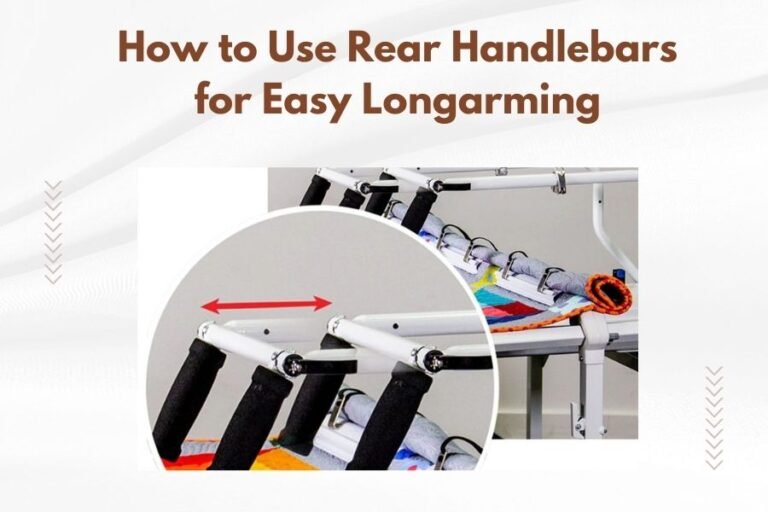
Frame-mounted systems include the quilting machine head and a separate frame. The frame holds your quilt sandwich taut. You walk around the frame while quilting.
Most frames range from 10 to 14 feet long. Some adjust to smaller sizes. The machine head rolls along tracks on the frame.
Sit-Down Machine Design
Sit-down quilting machines look like large sewing machines. They have extended throats for better quilt maneuverability. You sit at the machine like you would at a desk.
These machines typically have 15 to 20 inches of throat space. Some models offer even more room for your quilting projects.
Space Requirements for Each Machine Type
Space planning can make or break your quilting setup. Let’s look at what each machine type needs.
Frame-Mounted Space Needs
Frame-mounted machines need serious room. A typical setup requires about 12 feet by 6 feet of floor space. Add another 2 feet around all sides for walking space.
You also need ceiling height of at least 8 feet. Some quilters convert garages or basements for their frame setups.
Sit-Down Space Requirements
Sit-down machines fit in much smaller spaces. You need about 6 feet by 4 feet for the machine and your work area.
Many quilters set these up in spare bedrooms or corners of living spaces. They work well in multipurpose rooms.
Cost Comparison Between Machine Types
Money matters when choosing quilting equipment. Here’s what you can expect to spend.
Frame-Mounted Machine Costs
Entry-level frame-mounted systems start around $8,000 to $12,000. Mid-range options run $15,000 to $25,000. High-end systems can cost $30,000 or more.
You’re buying both the machine head and frame system. This explains the higher initial investment.
Sit-Down Machine Pricing
Good sit-down quilting machines start around $3,000 to $5,000. Professional models range from $8,000 to $15,000.
You might also want a quilting table or cabinet. These add $500 to $2,000 to your total cost.
Productivity and Speed Differences
How fast can you finish quilts? Each machine type has speed advantages in different situations.
Frame-Mounted Speed Benefits
Frame-mounted machines excel at large, simple quilting patterns. You can cover big areas quickly with pantograph designs or edge-to-edge quilting.
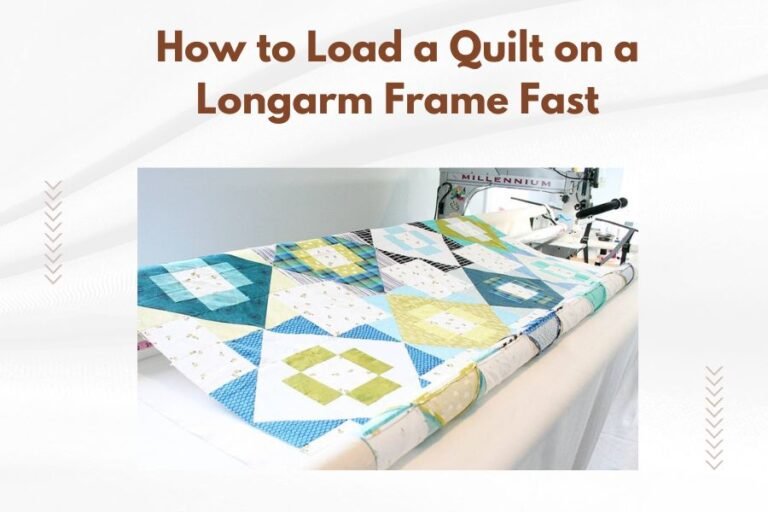
Loading a quilt takes about 15 to 30 minutes once you get practiced. The machine head moves faster than you can guide fabric by hand.
Sit-Down Machine Efficiency
Sit-down machines work better for detailed custom quilting. You have precise control for intricate designs and ruler work.
Small projects finish faster on sit-down machines. You don’t need to load them onto a frame system.
Physical Comfort and Ergonomics
Your body will thank you for choosing the right machine type. Comfort affects how long you can quilt and how much you enjoy it.
Standing vs Sitting Considerations
Frame-mounted machines require standing and walking for hours. This keeps you active but can tire your legs and back.
Sit-down machines let you work seated comfortably. But you might develop neck or shoulder tension from hunching over your work.
Repetitive Motion Factors
Frame machines use your whole body for movement. This spreads physical stress across muscle groups.
Sit-down machines focus stress on your hands, wrists, and arms. Take regular breaks to prevent strain.
Learning Curves for Each Machine
New quilting machines feel intimidating. Each type has different learning challenges.
Frame-Mounted Learning Process
Frame machines take longer to master initially. You learn to coordinate machine movement with your walking pace.
Tensioning quilts properly on frames requires practice. Poor tensioning leads to puckers and uneven stitching.
Sit-Down Machine Skills
Sit-down machines feel familiar if you’ve used regular sewing machines. The main difference is managing larger quilt bulk.
Free-motion quilting takes practice on any machine. Sit-down models offer good control for building these skills.
Quilting Style Compatibility
Your preferred quilting style should guide your machine choice. Different machines suit different approaches.
Best Styles for Frame-Mounted Machines
Frame machines work great for:
- Pantograph quilting with paper patterns
- Edge-to-edge allover designs
- Large geometric patterns
- Quick quilting for charity projects
Ideal Uses for Sit-Down Machines
Sit-down machines excel at:
- Custom quilting around appliqué
- Detailed feather designs
- Ruler work and straight-line quilting
- Small art quilts and wall hangings
Maintenance and Upkeep Requirements
Both machine types need regular care. Frame systems have additional maintenance needs.
Frame System Maintenance
Frame-mounted setups have more moving parts. Track systems need cleaning and lubrication. Frame adjustments may drift over time.
You’ll also maintain the machine head separately from the frame system.
Sit-Down Machine Care
Sit-down machines need standard sewing machine maintenance. Clean lint buildup, oil moving parts, and replace needles regularly.
The simpler design means fewer maintenance headaches.
Which Machine Type Fits Your Needs
Ready to decide? Consider these key factors for your situation.
Choose Frame-Mounted If You
- Have dedicated quilting space
- Quilt mostly bed-sized projects
- Prefer standing while working
- Want maximum speed for simple designs
- Plan to quilt for others or as a business
Pick Sit-Down Machines When You
- Work in limited space
- Enjoy detailed custom quilting
- Prefer sitting while working
- Make mostly small to medium quilts
- Want lower initial investment
Making Your Final Decision
Test drive both machine types if possible. Many quilt shops offer classes on different machines. This hands-on experience helps clarify your preferences.
Consider starting with a sit-down machine if you’re unsure. They require less commitment in space and money. You can always upgrade to a frame system later.
Conclusion
Choosing between frame-mounted and sit-down quilting machines comes down to your space, budget, and quilting goals. Frame-mounted systems offer speed and efficiency for large projects but need dedicated space and higher investment. Sit-down machines provide versatility and detailed control while fitting smaller budgets and spaces. Consider your quilting style, physical comfort preferences, and long-term goals. Both machine types can produce beautiful quilts when matched to the right quilter. Take time to try different machines and talk with other quilters about their experiences. Your perfect quilting setup is the one that keeps you happily creating for years to come.
Can I use both types of machines for the same quilting projects?
Yes, many quilters use both machine types for different aspects of their work. You might piece on a regular sewing machine, do basic quilting on a sit-down machine, and finish large projects on a frame-mounted system.
How long does it take to set up quilts on each machine type?
Sit-down machines need minimal setup time, maybe 5 minutes to position your quilt. Frame-mounted machines require 15 to 45 minutes for proper loading and tensioning, depending on quilt size and your experience level.
Which machine type holds its resale value better?
Frame-mounted systems typically hold value well due to their higher initial cost and specialized market. Sit-down machines depreciate more like regular sewing machines, but quality brands still maintain reasonable resale values.
Can beginners start with frame-mounted machines?
While possible, most beginners find sit-down machines more approachable. Frame systems require coordinating multiple skills simultaneously. Starting with a sit-down machine builds fundamental free-motion skills that transfer to frame machines later.
Do I need special thread or supplies for different machine types?
Both machine types use the same quilting threads, needles, and basic supplies. Frame-mounted systems might benefit from longer thread paths and larger thread spools for efficiency, but standard quilting supplies work on both machine types.