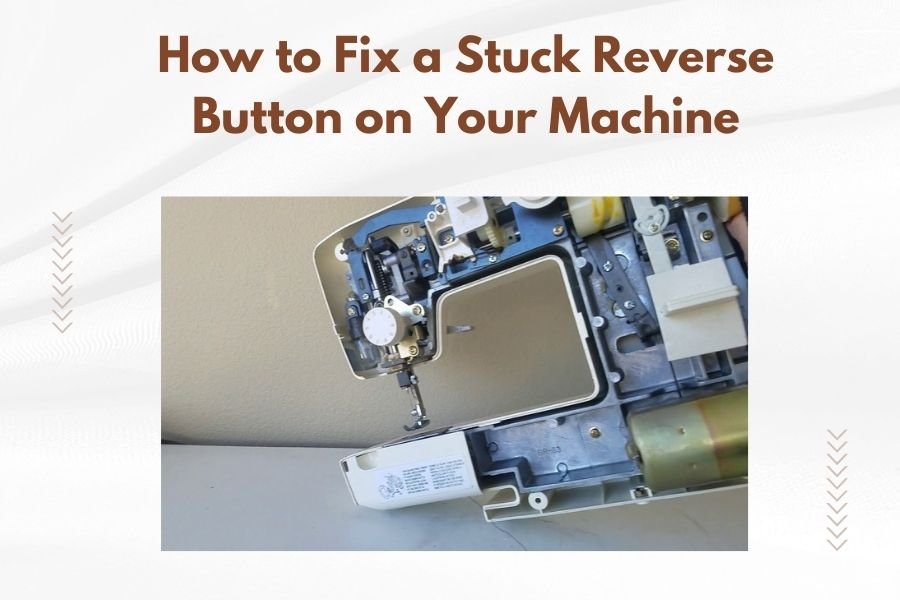
To fix a stuck reverse button on your quilting machine, first power off the unit and check for visible lint or thread wrapped around the button mechanism.
Most stuck reverse buttons respond well to gentle cleaning with compressed air, followed by a small drop of sewing machine oil on the moving parts.
Why Your Reverse Button Gets Stuck
Your reverse button works harder than you might think. Every time you backstitch, tiny fibers and dust sneak into the mechanism. Over time, this buildup creates friction that makes the button stick or stop working completely.
Temperature changes also affect the plastic and metal parts. Cold rooms make materials contract, while heat causes expansion. This constant movement can throw off the button’s alignment.
Common Culprits Behind Button Problems
Lint is the biggest troublemaker. It wraps around springs and gets packed into small spaces where you can’t see it. Thread fragments do the same thing, especially when you use fuzzy or low-quality thread.
Old oil turns gummy and attracts more dirt. If you haven’t cleaned your machine in months, that sticky residue might be holding your button hostage.
Safety First: Power Down Your Machine
Before you touch anything, unplug your quilting machine. This protects you from accidental needle movement and prevents electrical issues if you need to work near wiring.
Remove any fabric from under the presser foot. You want clear access to all parts of your machine without anything getting in your way.
Gather Your Cleaning Tools
You’ll need a few simple items for this fix:
- Small screwdriver set
- Compressed air can
- Clean cloth or cotton swabs
- Sewing machine oil
- Small brush or old toothbrush
- Tweezers for removing stubborn debris
Step-by-Step Cleaning Process
Start with the obvious stuff. Look closely at your reverse button area. Do you see lint, thread bits, or dust buildup? Sometimes the problem is right there on the surface.
Use your small brush to sweep away loose debris. Be gentle – you don’t want to push dirt deeper into the mechanism.
Using Compressed Air Effectively
Hold the compressed air can upright and use short bursts. Long sprays can freeze parts or push moisture into sensitive areas. Start from different angles to blow out hidden lint.
Pay special attention to the space around the button edges. That’s where most buildup happens. You might see surprising amounts of lint fly out.
Watch for Flying Debris
Cover your eyes or wear safety glasses. Compressed air can send particles flying at high speed. Also, work in good lighting so you can see what’s coming out.
Deep Cleaning the Button Mechanism
If surface cleaning doesn’t help, you might need to remove the button cover or access panel. Check your manual first – some machines have specific instructions for this.
Most reverse buttons have a small cover plate held by one or two screws. Remove these carefully and keep track of where they go. Take a photo if it helps you remember.
What You’ll Find Inside
Inside, you’ll typically see a spring mechanism, some small gears, and possibly a lever system. Don’t be alarmed if it looks complex – you’re just cleaning, not rebuilding.
Use your cotton swabs to clean each visible part. Dip them lightly in rubbing alcohol if you encounter sticky residue.
Lubrication: The Key to Smooth Operation
Once everything is clean and dry, add one tiny drop of sewing machine oil to any visible pivot points. One drop goes a long way – too much oil attracts more dirt.
Work the button gently with your finger after oiling. It should move more freely now. If it still sticks, there might be a deeper mechanical issue.
Types of Oil That Work Best
Stick with oil designed for sewing machines. Regular household oils are too thick and can gum up over time. Many quilters swear by Tri-Flow or Singer oil.
Avoid WD-40 or penetrating oils. They work initially but evaporate quickly, leaving your button dry again within weeks.
Testing Your Repair
Reassemble everything before testing. Replace any covers or panels you removed. Double-check that screws are snug but not overtightened.
Plug your machine back in and test the reverse function with some scrap fabric. The button should press smoothly and engage reverse stitching without hesitation.
Signs of Successful Repair
A properly working reverse button has a consistent feel. It should press down easily and spring back quickly when released. You shouldn’t hear grinding, clicking, or other unusual sounds.
Test it several times with actual stitching. Sometimes problems only show up under the stress of real sewing conditions.
When DIY Cleaning Isn’t Enough
If your button still sticks after thorough cleaning, the problem might be worn springs or misaligned parts. These issues require professional attention or replacement parts.
Don’t force a stuck button repeatedly. This can break internal components and turn a simple fix into an expensive repair.
Warning Signs You Need Professional Help
Call a technician if you notice:
- Button feels completely locked in place
- Grinding or cracking sounds when pressed
- Button moves but reverse function doesn’t engage
- Visible cracks in the button or surrounding plastic
Preventing Future Button Problems
Regular cleaning prevents most reverse button issues. Clean your machine after every few projects, not just when problems start.
Use high-quality thread that produces less lint. Cheap thread might save money upfront but creates more maintenance work later.
Monthly Maintenance Routine
Set a monthly reminder to clean your reverse button area. It takes just a few minutes but prevents major problems down the road.
Include button cleaning in your regular machine maintenance. Clean it when you change needles or oil other parts.
Environmental Factors to Consider
Dusty sewing rooms create more button problems. Consider an air purifier or better ventilation if you notice frequent buildup.
Humidity also affects your machine. Very dry air increases static that attracts lint, while high humidity can cause parts to stick.
Alternative Solutions for Persistent Problems
Some quilters find that electronic reverse buttons work better than mechanical ones. If you’re shopping for a new machine, this might be worth considering.
For older machines, replacement button assemblies are sometimes available. Check with your manufacturer or sewing machine repair shops.
Temporary Workarounds
If your reverse button fails during a project, you can backstitch manually. Start your seam, lift the presser foot, turn your fabric around, and stitch over the first few stitches.
This method works but takes more time. Fix your button properly when you finish your current project.
Cost Comparison: DIY vs Professional Repair
| Repair Type | DIY Cost | Professional Cost | Time Required |
|---|---|---|---|
| Basic cleaning | $5-10 | $40-60 | 30 minutes |
| Button replacement | $15-25 | $60-100 | 1-2 hours |
| Internal mechanism repair | Not recommended | $80-150 | 2-3 hours |
Conclusion
Fixing a stuck reverse button usually comes down to simple cleaning and lubrication. Most quilters can handle this repair at home with basic tools and patience. Start with compressed air and gentle cleaning – you’ll solve the problem 80% of the time with these simple steps.
Remember that prevention beats repair every time. Regular maintenance keeps your reverse button working smoothly for years. When in doubt, consult your machine’s manual or contact a professional technician. Your quilting projects depend on reliable equipment, and a working reverse button is part of that reliability.
Why won’t my reverse button work even after cleaning?
Internal springs or linkage mechanisms might be broken or severely worn. These components typically require professional replacement, especially on computerized machines where electronic connections might also be involved.
How often should I clean my reverse button area?
Clean the reverse button area monthly during regular machine maintenance, or more frequently if you quilt daily or work in a dusty environment. Heavy users should check weekly for lint buildup.
Can I use household oils instead of sewing machine oil?
No, household oils like cooking oil or motor oil are too thick and can attract dirt or turn rancid. Always use oil specifically designed for sewing machines to ensure proper viscosity and longevity.
What should I do if I lost screws while disassembling the button?
Contact your machine manufacturer or local sewing machine dealer for replacement screws. Using wrong-sized screws can damage threads or create alignment problems that make the button stick worse than before.
Is it normal for the reverse button to feel different after cleaning?
Yes, a properly cleaned and lubricated button often feels smoother and more responsive than you might remember. If it feels too loose or wobbly, double-check that all components are properly reassembled.