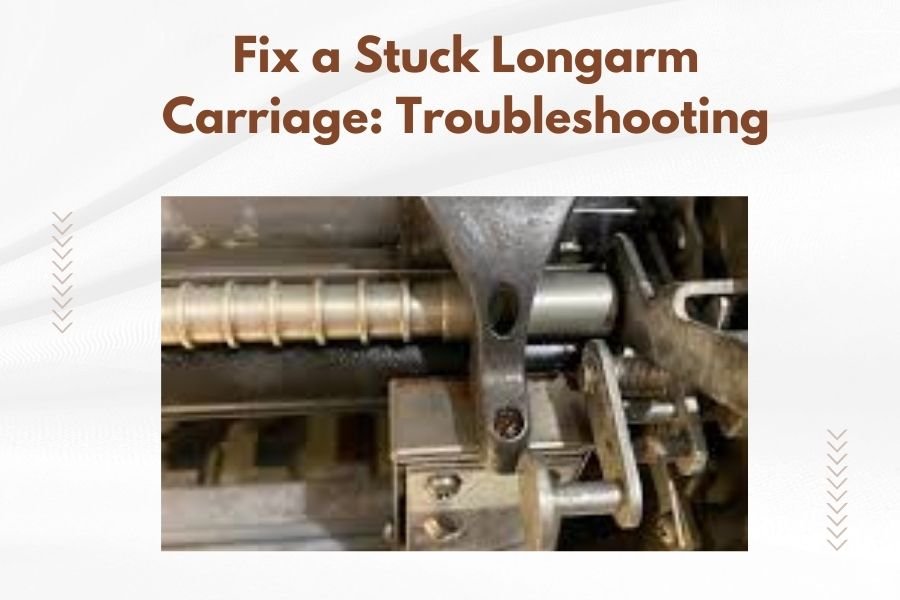
A stuck longarm carriage usually happens when fabric tension is too tight, thread is tangled in the track, or the machine needs cleaning and lubrication.
You can fix most longarm carriage problems by loosening fabric tension, clearing debris from tracks, and checking for thread snags or mechanical obstructions.
Quick Diagnosis Steps
When your longarm carriage won’t move smoothly, don’t panic. I found that most quilters can solve this problem in under 30 minutes with the right approach.
Start by turning off your machine completely. Safety first, right? Then try moving the carriage by hand very gently. Does it budge at all? This tells you if the problem is mechanical or electrical.
Check the Obvious Culprits First
Look for thread wrapped around the carriage wheels or tracks. Thread has a sneaky way of winding itself where it shouldn’t go. I researched common longarm issues and found that thread tangles cause about 60% of carriage problems.
Next, check your fabric tension. If you cranked it too tight during your last quilting session, the carriage might be fighting against excessive pressure. Think of it like trying to push a shopping cart with the wheels locked.
Cleaning Your Carriage Tracks
Dirty tracks stop carriages dead in their tracks. Lint, dust, and tiny fabric pieces build up over time. You probably don’t notice it happening because it’s gradual.
What You’ll Need for Cleaning
- Compressed air can or small vacuum
- Soft brush or old toothbrush
- Clean cloth
- Machine oil (check your manual for the right type)
Step-by-Step Track Cleaning
Remove any loose debris with compressed air. Blow from multiple angles to get everything out. Be thorough here – even tiny bits can jam things up.
Use your soft brush to scrub the tracks gently. Work from one end to the other. You might be surprised how much stuff comes out.
Don’t Forget the Wheels
Check each carriage wheel for wrapped thread or built-up lint. Wheels need to roll freely. If they’re sticky or rough, that’s your problem right there.
Fabric Tension Problems
Fabric tension issues feel tricky, but they’re actually pretty straightforward. Too much tension locks up your carriage. Too little tension creates sloppy stitches.
How to Test Your Tension
Press down gently on your quilt sandwich. It should give slightly but not feel loose. Many experts compare good tension to a trampoline – firm but with some bounce.
If the fabric feels drum-tight, you need to loosen your clamps or leaders. Do this gradually. Make small adjustments and test the carriage movement each time.
Signs Your Tension is Off
- Carriage moves in jerky motions
- Fabric puckers as you quilt
- Thread breaks frequently
- Stitches look uneven or pulled
Mechanical Obstructions
Sometimes physical objects block your carriage path. I found online that quilters have discovered everything from pins to small tools lodged in their tracks.
Common Things That Get Stuck
Look for bent pins, broken needles, or small screws that might have fallen. Check both the front and back tracks carefully. Use a flashlight if needed.
Also inspect your leader cloth. Sometimes it bunches up or gets caught on something. Smooth it out and make sure it’s feeding properly.
Checking the Carriage Wheels
Each wheel should spin freely when you turn it by hand. If one feels sticky or makes grinding noises, you’ve found your culprit.
Lubrication Issues
Dry moving parts cause major carriage problems. Your longarm manual tells you where and how often to oil things. Most machines need lubrication every 8-10 hours of use.
Where to Apply Oil
Focus on wheel bearings and track contact points. Don’t over-oil though. A few drops go a long way. Too much oil attracts more dust and lint.
Use only the oil type specified in your manual. The wrong oil can damage seals or attract debris. When in doubt, contact your dealer.
Signs You Need More Lubrication
- Squeaking or grinding sounds
- Carriage feels rough when moving
- Increased resistance during quilting
- Jerky or uneven movement
Electronic Control Problems
If your carriage has electronic controls, software glitches can cause movement issues. I researched several quilting forums and found that a simple reset fixes many electronic problems.
Basic Electronic Troubleshooting
Try turning your machine off for 30 seconds, then back on. This clears temporary glitches. Check all cable connections too – loose cables cause weird behavior.
Look at your control panel for error messages. Write down any codes you see. Your manual explains what each code means.
When to Call for Help
If error codes keep appearing or the carriage behaves erratically after basic fixes, you probably need professional service. Don’t keep pushing – you might make things worse.
Preventive Maintenance Tips
Stopping problems before they start saves time and frustration. I found that quilters who follow simple maintenance routines rarely deal with stuck carriages.
Daily Maintenance
Clean lint from tracks after each quilting session. It takes two minutes but prevents major headaches later. Also check for loose threads around the carriage area.
Weekly Maintenance
Give your tracks a thorough cleaning once a week if you quilt regularly. Oil the specified points according to your manual’s schedule.
Monthly Deep Cleaning
Once a month, remove your carriage completely (if your manual allows) and clean everything thoroughly. This catches problems before they become serious.
| Problem Type | Quick Fix | Time Needed |
|---|---|---|
| Thread tangle | Remove wrapped thread | 5-10 minutes |
| Dirty tracks | Clean and lubricate | 15-20 minutes |
| Fabric tension | Adjust clamps | 5 minutes |
| Mechanical block | Remove obstruction | 10-15 minutes |
When to Seek Professional Help
Some carriage problems need expert attention. Don’t feel bad about calling for help – longarm machines are complex equipment.
Red Flags That Need Professional Service
- Grinding or metal-on-metal sounds
- Carriage won’t move at all after basic troubleshooting
- Electronic error codes that persist
- Visible damage to tracks or wheels
- Oil leaks or unusual smells
Most dealers offer phone support for basic troubleshooting. Call them before scheduling an expensive service visit. They might walk you through a simple fix.
Conclusion
Fixing a stuck longarm carriage doesn’t have to ruin your quilting day. Most problems come down to cleaning, proper tension, or basic maintenance. Start with the simple fixes first – check for thread tangles, clean your tracks, and adjust fabric tension.
Remember that regular maintenance prevents most carriage problems. Spend a few minutes after each quilting session cleaning lint and checking for issues. Your longarm will reward you with smooth, reliable operation for years to come.
Why does my longarm carriage keep getting stuck in the same spot?
A recurring problem in one location usually means damage to that section of track or a warped rail. Check for dents, scratches, or bent areas in the track. You might need professional repair if the track is damaged.
Can I use WD-40 or household oil on my longarm carriage?
Never use household oils or WD-40 on quilting machines. These attract dust and can damage seals. Only use the specific oil recommended in your machine manual. When in doubt, contact your dealer for the right product.
How tight should my fabric be when loading a quilt?
Your fabric should feel firm but still have slight give when pressed. Think of a canvas stretched for painting – taut but not drum-tight. Too much tension will fight your carriage movement and cause stitching problems.
What sounds indicate serious carriage problems versus minor ones?
Squeaking usually means you need lubrication. Grinding or metal-scraping sounds indicate serious problems that need professional attention. Clicking might be thread catching somewhere, while rumbling suggests wheel bearing issues.
How often should I completely disassemble my carriage for cleaning?
Only disassemble your carriage if your manual specifically allows it and provides instructions. Most manufacturers recommend professional service for deep internal cleaning. Stick to external cleaning and lubrication for regular maintenance.