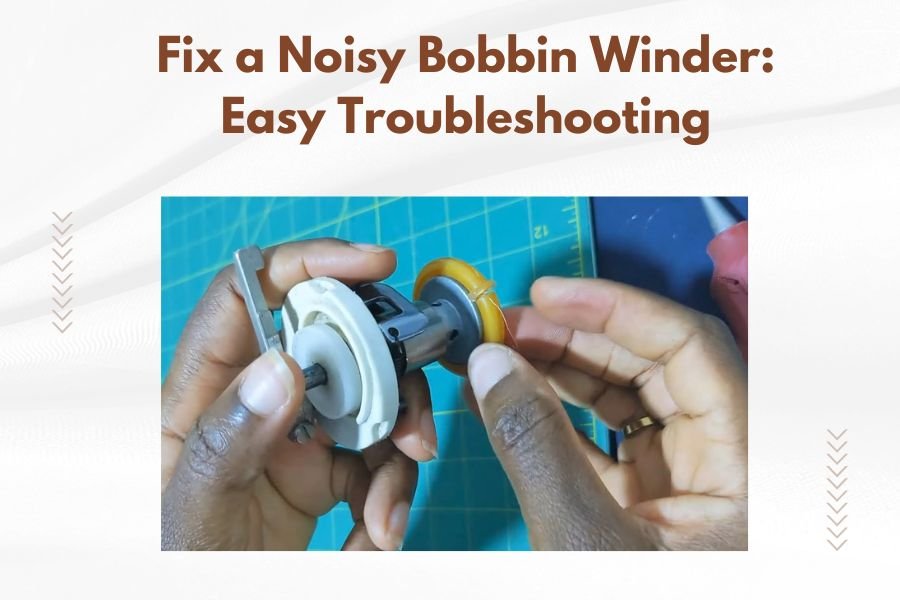
A noisy bobbin winder usually means the tension is too tight, parts need oiling, or thread is wound incorrectly. Most bobbin winder noise comes from friction between moving parts that need simple adjustments.
You can fix a noisy bobbin winder by checking the bobbin placement, adjusting thread tension, cleaning lint buildup, and lubricating the mechanism. These steps solve 90% of bobbin winder problems without calling a repair technician.
Why Your Bobbin Winder Makes Noise
Your bobbin winder sounds like a tiny drum solo because something’s fighting against smooth movement. Think of it like a squeaky door hinge – when parts don’t glide together properly, they complain loudly.
The bobbin winder has several moving pieces that work together. When one part struggles, the whole system gets noisy and inefficient.
Common Causes of Bobbin Winder Noise
Thread tension that’s cranked too high puts stress on every part. Your machine works harder than it should, creating that annoying whirring or grinding sound.
Lint and thread bits love hiding in the bobbin area. They act like tiny speed bumps, making the winder work against resistance.
Old or thick thread can jam up the works. Some threads are just too stubborn for smooth winding.
Mechanical Issues That Create Sound
The bobbin case might be sitting wrong in its spot. Even a slight tilt throws off the balance and creates vibration.
Metal parts need lubrication to stay quiet. Dry components rub together and make that grinding noise you hate.
Worn-out parts eventually lose their smooth edges. They catch on each other instead of gliding smoothly.
Quick Diagnosis: What Type of Noise Do You Hear?
Different sounds point to different problems. Listen closely to your machine – it’s trying to tell you what’s wrong.
Grinding or Scraping Sounds
This usually means metal rubbing against metal. Your machine needs oil, or something’s misaligned.
Check if the bobbin case is seated properly. A tilted case scrapes against the housing and makes that awful grinding noise.
High-Pitched Squealing
Squealing points to tension problems. The thread is fighting against too much resistance somewhere in the system.
This sound often comes from the thread guide or tension disc area. Something’s pinching the thread too hard.
Clicking or Knocking
Rhythmic clicking means something’s hitting against another part with each rotation. Look for loose screws or misaligned components.
Sometimes the bobbin itself is damaged and wobbles as it spins.
Step-by-Step Troubleshooting Guide
Let’s fix this noise problem systematically. Start with the easiest solutions first – they often solve the issue quickly.
Step 1: Check Bobbin Placement
Remove the bobbin and look at how it sits in the case. The thread should pull off smoothly in the right direction.
Reinsert the bobbin, making sure it drops all the way down. A half-seated bobbin creates vibration and noise.
Test the bobbin spin by hand. It should rotate freely without catching or wobbling.
Step 2: Examine Thread Tension
Pull thread from the bobbin with gentle pressure. It should come off easily but not too loosely.
If you need significant force to pull thread, the tension’s too tight. Look for a small screw on the bobbin case – turn it slightly counterclockwise.
Make tiny adjustments. A quarter turn can make a huge difference in both noise and stitching quality.
Step 3: Clean the Bobbin Area
Turn off your machine and remove the needle plate if possible. You’ll be amazed at how much lint hides in there.
Use a small brush or compressed air to remove debris. Pay special attention to the bobbin race and feed dog area.
Wipe down metal surfaces with a slightly damp cloth. Avoid getting moisture near electronic parts.
What to Look for During Cleaning
Thread wrapped around moving parts causes major friction. Carefully remove any tangled thread bits.
Old adhesive or oil can turn into sticky gunk. Clean this off with a cotton swab and sewing machine oil.
Check for bent or damaged parts while you’re cleaning. Sometimes a small ding causes big noise problems.
Step 4: Lubricate Moving Parts
Your machine manual shows exactly where to put oil. Don’t guess – too much oil attracts dirt and makes things worse.
Use only sewing machine oil. Other lubricants can damage plastic parts or gum up the works.
Apply one small drop at each recommended point. Run the machine slowly to distribute the oil evenly.
Thread-Related Solutions
Sometimes the problem isn’t mechanical – it’s the thread itself causing issues.
Choosing the Right Thread Weight
Heavy threads put more strain on the bobbin winder. Stick to standard weights unless your machine specifically handles heavier options.
Old thread becomes brittle and can break apart during winding. This creates uneven tension and noise.
Proper Thread Path
Follow the threading diagram exactly. Skipping a guide or tension disc throws off the whole system.
Make sure the thread feeds smoothly from the spool. A spool that wobbles or catches creates jerky winding motion.
| Thread Issue | Noise Type | Quick Fix |
|---|---|---|
| Too thick | Grinding | Switch to lighter weight |
| Old/brittle | Clicking | Use fresh thread |
| Wrong path | Squealing | Rethread following manual |
| Tangled spool | Irregular noise | Check spool pin and guides |
When to Adjust Bobbin Winder Settings
Most machines let you fine-tune the bobbin winder speed and tension. These adjustments can eliminate noise without major repairs.
Speed Adjustments
Slower winding often runs quieter. If your machine has speed control, try reducing it during bobbin winding.
Fast winding can cause thread to bunch up or wind unevenly. This creates wobble and noise.
Tension Fine-Tuning
The goal is smooth, even thread flow. Too loose creates loose windings that cause problems later. Too tight stresses everything and makes noise.
Test tension by winding a sample bobbin. The finished bobbin should feel firm but not rock-hard.
Advanced Troubleshooting Techniques
If basic fixes don’t work, try these more detailed approaches.
Checking Belt Alignment
Some machines use belts to drive the bobbin winder. A loose or misaligned belt creates slipping noises.
Look for proper belt tension – it should give slightly under pressure but not feel loose.
Examining Gear Wear
Worn gears don’t mesh properly and create grinding sounds. This usually needs professional repair.
You can spot gear problems by listening for noise that changes with winding speed.
Signs You Need Professional Help
Metal shavings around the bobbin area mean parts are wearing down. Don’t keep using the machine.
Noise that gets worse over time suggests progressive wear. Early professional attention prevents bigger problems.
If multiple adjustments don’t help, internal timing might be off. This requires special tools and expertise.
Preventing Future Bobbin Winder Problems
Regular maintenance keeps your bobbin winder running quietly for years.
Regular Cleaning Schedule
Clean the bobbin area after every few projects. This prevents lint buildup that causes friction and noise.
Monthly deep cleaning catches problems before they become noisy headaches.
Quality Thread Choices
Good thread costs a bit more but saves money on repairs. Cheap thread often sheds fibers that gum up the works.
Store thread properly to prevent deterioration. Old thread becomes rough and abraded.
Proper Machine Storage
Cover your machine when not in use. Dust and pet hair love settling in the bobbin area.
Avoid extreme temperatures that can affect lubrication and plastic parts.
Tools You Need for Bobbin Winder Maintenance
Keep these items handy for quick fixes and regular maintenance.
Basic Maintenance Kit
- Small screwdriver set for minor adjustments
- Lint brush or compressed air for cleaning
- Sewing machine oil (not WD-40 or other general lubricants)
- Cotton swabs for detail cleaning
- Small flashlight to see into tight spaces
Replacement Parts to Keep On Hand
Extra bobbins prevent problems when one gets damaged. Bent or cracked bobbins cause noise and poor stitching.
A spare bobbin case gives you backup if adjustments go wrong. You can always return to original settings.
Understanding Your Machine’s Limits
Every machine has thread weights and speeds it handles best. Pushing beyond these limits creates noise and wear.
Manufacturer Guidelines
Your manual lists recommended thread weights and types. Following these guidelines prevents most bobbin winder problems.
Some machines work better with certain thread brands. This isn’t marketing – it’s about how threads interact with your specific mechanism.
Age-Related Considerations
Older machines might need gentler treatment. Parts wear over time and don’t tolerate the same stresses as when new.
Vintage machines often require different maintenance schedules. What worked for newer machines might be too aggressive.
Conclusion
A noisy bobbin winder doesn’t have to ruin your sewing sessions. Most problems come from simple issues like incorrect threading, dirty parts, or minor misalignments that you can fix yourself.
Start with the basics – check bobbin placement, clean out lint, and make sure you’re using appropriate thread. These steps solve the majority of noise issues without expensive repairs or service calls.
Regular maintenance prevents most bobbin winder problems before they start. A few minutes of cleaning and lubrication every month keeps your machine running smoothly and quietly for years. Remember, a well-maintained machine not only runs quieter but also produces better stitches and lasts longer.
Why does my bobbin winder make noise only with certain threads?
Different threads have varying textures and thicknesses that affect how smoothly they wind. Rough or old threads create more friction against the tension discs and guides. Try switching to a higher-quality thread or adjusting the bobbin tension slightly to accommodate different thread characteristics.
Can I use regular household oil instead of sewing machine oil?
No, avoid household oils like WD-40 or 3-in-1 oil. These contain additives that can damage plastic parts and attract dirt over time. Sewing machine oil is specially formulated to lubricate without breaking down or becoming sticky. Using the wrong oil often makes noise problems worse.
How often should I clean my bobbin winder area?
Clean the bobbin area after every 8-10 hours of sewing time, or whenever you notice lint buildup. Heavy users might need weekly cleaning, while occasional sewers can clean monthly. Dark threads and fleece fabrics create more lint, so adjust your cleaning schedule based on what you sew.
What should I do if the noise continues after trying all these fixes?
Persistent noise after basic troubleshooting usually indicates internal wear or timing issues that need professional attention. Stop using the machine to prevent further damage. Contact a qualified sewing machine technician who can diagnose gear wear, belt problems, or alignment issues safely.
Is it normal for older sewing machines to have noisier bobbin winders?
Older machines typically run louder than modern ones due to different manufacturing standards and natural wear over time. Some noise is normal, but grinding, squealing, or sudden increases in noise level indicate problems that need attention regardless of the machine’s age.