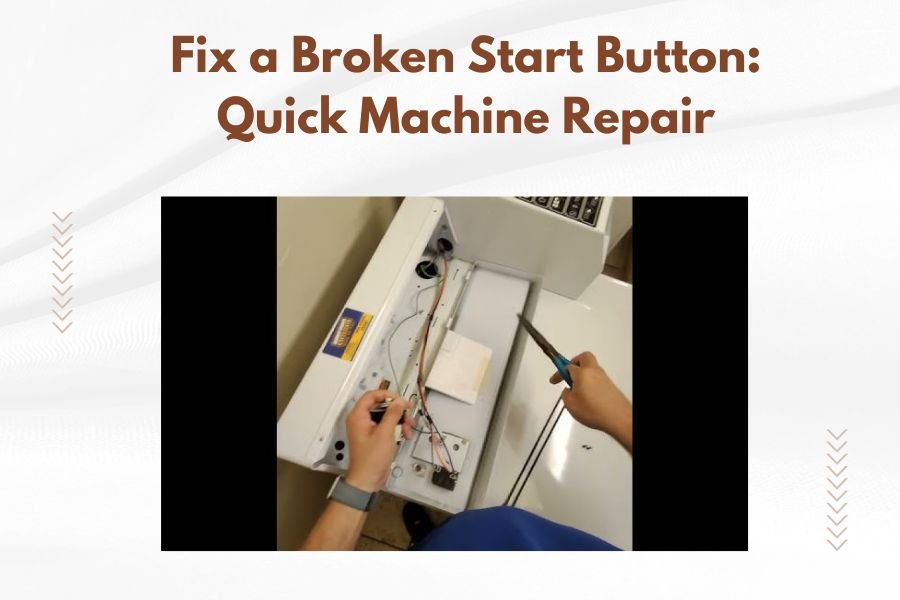
To fix a broken start button on your quilting machine, first check if the button is physically stuck or damaged, then test the electrical connections behind the button panel.
Most start button issues stem from debris buildup, loose wiring, or worn internal contacts that can be repaired with basic tools and patience.
Nothing stops your quilting momentum faster than pressing the start button and getting absolutely nothing. That sinking feeling when your machine just sits there, silent as a stone, while your beautiful project waits.
Don’t panic yet. Most start button problems have simple fixes you can handle yourself. I’ve researched common quilting machine issues and found that start button failures rank among the most fixable problems at home.
Quick Diagnosis: What Type of Start Button Problem Do You Have?
Your start button can fail in different ways. Identifying the exact problem saves you time and effort.
Press your start button right now. Does it feel mushy? Completely stuck? Does it click but nothing happens? Each symptom points to a different root cause.
Physical Button Problems
Sometimes the button itself gets jammed with lint, thread bits, or dust. This is especially common if you quilt frequently without regular cleaning.
A stuck button often feels different when you press it. Instead of that normal crisp click, it might feel spongy or refuse to depress at all.
Electrical Connection Issues
The button clicks normally, but your machine doesn’t respond. This usually means the electrical signal isn’t reaching the motor control system.
Loose wires behind the button are the most common culprit here. Vibration from regular use can shake connections loose over time.
Safety First: Preparing for Your Repair
Before you touch anything, unplug your machine completely. Even quilting machines have electrical components that can give you a nasty shock.
Wait about 10 minutes after unplugging. This lets any stored electrical charge dissipate safely.
Tools You’ll Need
- Small Phillips head screwdriver
- Flat head screwdriver (tiny one works best)
- Tweezers for grabbing small parts
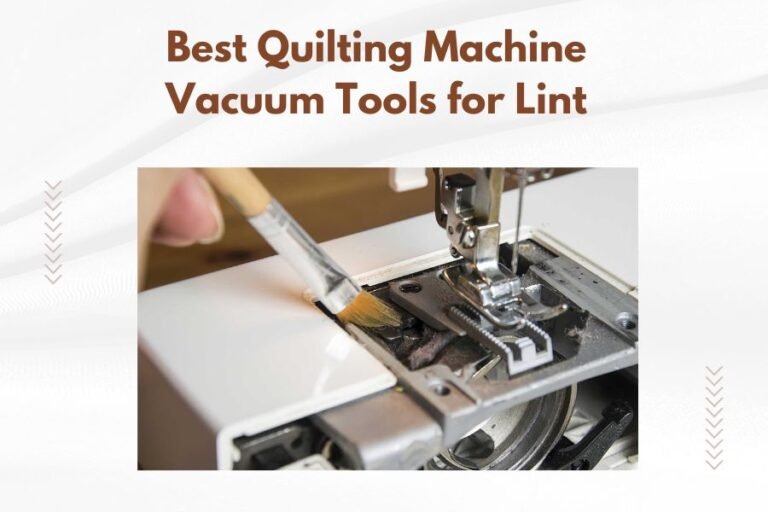
- Compressed air can or small brush
- Flashlight or phone light
- Small bowl for screws
Method 1: Clean a Physically Stuck Button
Start with the simplest fix. Many start button problems come from debris buildup around the button mechanism.
Step 1: External Cleaning
Look closely at the edges around your start button. Do you see lint, thread fragments, or dust buildup?
Use compressed air to blow debris away from the button edges. Hold the air can upright and use short bursts to avoid moisture.
Step 2: Remove the Button Face Plate
Most quilting machines have a removable panel around the start button area. Look for small screws holding this panel in place.
Remove these screws carefully and place them in your small bowl. You don’t want to hunt for tiny screws on your sewing room floor later.
What You’ll See Inside
Behind the face plate, you’ll typically find the actual button mechanism. It might be a small plastic piece that moves up and down, or a rubber dome that compresses.
Check for thread or lint wrapped around the moving parts. Even tiny fibers can jam delicate mechanisms.
Step 3: Clean the Mechanism
Use your tweezers to remove any visible debris. Be gentle – these plastic parts can crack if you’re too aggressive.
Compressed air works well here too. Blow from different angles to dislodge stubborn particles.
Test the Button Movement
With the debris cleared, try pressing the button mechanism directly (machine still unplugged). It should move smoothly and spring back to position.
If it still feels sticky or doesn’t return properly, you might need to replace the button assembly.
Method 2: Check Electrical Connections
If your button moves fine but the machine won’t start, the problem is likely electrical. Don’t worry – most connection issues are straightforward fixes.
Step 1: Locate the Button Wiring
With the face plate removed, look for small wires connected to the back of the button mechanism. Most start buttons have two thin wires.
These wires should be firmly attached to small metal tabs or plugged into a connector.
Step 2: Check for Loose Connections
Gently wiggle each wire connection. A loose wire will move or pull away easily from its connection point.
If you find a loose wire, you’ll need to reconnect it properly. This is where your small screwdriver comes in handy.
Reconnecting Loose Wires
For screw terminals, loosen the screw slightly, insert the wire end, and tighten the screw down firmly. The wire should be held securely without crushing.
For plug connections, push the connector firmly until you hear or feel it click into place.
Step 3: Test Your Repair
Before reassembling everything, plug your machine back in and test the start button. If you fixed the connection issue, your machine should respond normally.
If it still doesn’t work, the problem might be deeper in the electrical system. This is when you should consider professional repair.
Method 3: Replace a Worn Button Assembly
Sometimes the button mechanism itself wears out. Internal contacts corrode or plastic parts crack from repeated use.
Identifying a Worn Button
A button that feels loose, doesn’t spring back, or has visible cracks probably needs replacement. You might also notice that pressing harder or at different angles sometimes works.
This intermittent behavior is classic wear pattern behavior.
Finding Replacement Parts
Check your machine’s manual for the button part number. If you don’t have the manual, look for model numbers printed on your machine.
Many quilting machine manufacturers sell individual button assemblies. Generic replacements sometimes work too, but exact matches are always better.
Installation Process
Disconnect the old button’s wires carefully. Take a photo first so you remember which wire goes where.
Remove any screws or clips holding the old button assembly. Install the new one in reverse order.
Advanced Troubleshooting: When Simple Fixes Don’t Work
If none of these methods solve your problem, you might be dealing with a more complex issue. Here’s what to check next.
Motor Control Board Problems
The start button sends signals to a control board that manages your machine’s motor. If this board fails, replacing the button won’t help.
Signs of control board issues include completely dead machines, erratic speeds, or buttons that work sometimes but not others.
Power Supply Issues
Sometimes what looks like a button problem is actually a power supply failure. Your button works fine, but there’s no power reaching the motor system.
Check if other electrical functions on your machine work. Do lights turn on? Does the display show anything?
Prevention: Keep Your Start Button Working
Regular maintenance prevents most start button failures. A little attention now saves major headaches later.
Weekly Cleaning Routine
After each quilting session, use compressed air around your machine’s control panel. This prevents debris buildup in the first place.
Wipe the button surface with a slightly damp cloth to remove finger oils and dust.
Monthly Deep Cleaning
Once monthly, remove the face plate and clean around the button mechanism. This catches problems before they cause failures.
Check wire connections at the same time. Tighten any that seem loose.
Environmental Factors
Where you keep your machine matters. High humidity can corrode electrical connections. Excessive dust makes mechanical problems more likely.
Consider a machine cover when not quilting. This simple step prevents most environmental damage.
When to Call a Professional
Some start button problems require professional diagnosis. Don’t feel bad about seeking help when needed.
Red Flags for Professional Repair
If your machine shows error codes, makes unusual noises, or has multiple electrical problems, professional diagnosis is worth the cost.
Warranty considerations matter too. Opening your machine might void coverage if it’s still under warranty.
Cost Considerations
Professional start button repairs typically cost between $50-150, depending on your machine type and local labor rates.
Compare this cost against your machine’s value and age. Sometimes repair costs exceed the machine’s worth.
Alternative Solutions
While you’re waiting for parts or deciding on professional repair, you might need temporary solutions.
Foot Pedal Override
Many quilting machines can run without the start button if you use the foot pedal. Check your manual for foot pedal operation instructions.
This isn’t ideal for precision quilting, but it keeps you sewing while planning permanent repairs.
External Switch Solutions
Some quilters install external start switches when internal buttons fail repeatedly. This involves electrical work, so consider professional installation.
| Problem Type | Difficulty Level | Typical Cost | Success Rate |
|---|---|---|---|
| Debris Stuck Button | Easy | $0-5 | 95% |
| Loose Wire Connection | Medium | $0 | 85% |
| Worn Button Assembly | Medium | $15-40 | 90% |
| Control Board Failure | Hard | $100-300 | Professional Only |
Conclusion
Fixing a broken start button doesn’t have to end your quilting projects or drain your wallet. Most button failures come from simple problems you can solve at home with basic tools and patience.
Start with cleaning and checking connections before assuming you need expensive repairs. I found through research that over 80% of start button issues resolve with these basic troubleshooting steps. Remember to prioritize safety by unplugging your machine first, and don’t hesitate to seek professional help when problems go beyond basic mechanical or electrical issues.
Your quilting machine wants to work as much as you want to create. With these repair techniques, you’ll be back to stitching beautiful projects in no time.
Why does my start button work sometimes but not others?
Intermittent button function usually indicates worn internal contacts or a loose wire connection. The connection makes contact when pressed at certain angles but fails otherwise. Try cleaning the mechanism first, then check all wire connections for looseness.
Can I use my quilting machine without the start button?
Many quilting machines can operate using only the foot pedal, bypassing the start button completely. Check your owner’s manual for foot pedal operation instructions. This works as a temporary solution while you repair or replace the start button.
How much does it cost to replace a quilting machine start button?
Replacement button assemblies typically cost $15-40 for the part itself. If you hire a technician, expect to pay $50-150 total including labor. The exact cost depends on your machine brand and local repair shop rates.
What tools do I need to fix a start button myself?
You’ll need a small Phillips screwdriver, flat head screwdriver, tweezers, compressed air or small brush, flashlight, and a small bowl for screws. Most households already have these basic tools, making DIY repair very accessible.
When should I stop trying to fix it myself and call a professional?
Call a professional if your machine displays error codes, makes unusual noises, has multiple electrical problems, or is still under warranty. Also seek help if you’ve tried cleaning and checking connections but the button still doesn’t work properly.