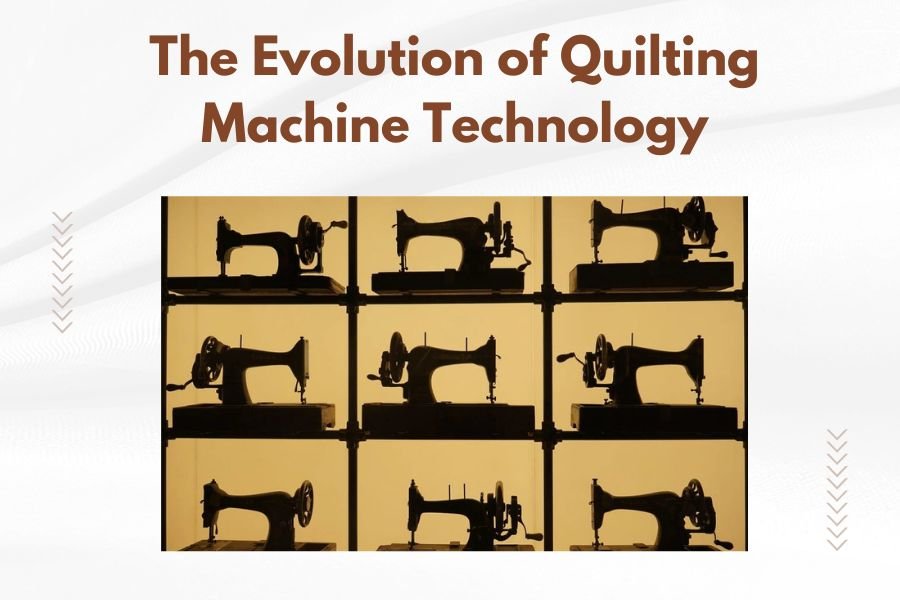
Quilting machine technology has evolved from simple hand-crank machines in the 1800s to today’s computerized systems with automatic thread cutting, pattern memory, and GPS-guided stitching.
Modern quilting machines now feature touch screens, thousands of built-in designs, and robotic arms that can complete complex patterns without human intervention.
From Hand Cranks to Smart Machines
You might wonder how we got from those old foot-pedal sewing machines to today’s high-tech quilting systems. The journey spans over 150 years of steady innovation.
In the 1840s, quilters used basic lockstitch machines. These required constant manual guidance and frequent thread breaks. Fast forward to today, and you’ll find machines that practically quilt by themselves.
The First Quilting Machines
Early quilting machines were essentially modified sewing machines. They had one major problem: you couldn’t move the fabric freely in all directions.
Quilters had to work in straight lines only. This limited creativity and made complex patterns nearly impossible.
The Free-Motion Breakthrough
The 1950s brought a game-changing innovation: free-motion quilting capability. You could now move your fabric in any direction while the needle stayed in one spot.
This opened up a world of creative possibilities. Suddenly, curves, spirals, and organic shapes became achievable.
The Computer Revolution Hits Quilting
The 1990s marked the biggest shift in quilting machine technology. Computers entered the picture, and everything changed overnight.
First Computer-Controlled Systems
Early computerized quilting machines could store basic patterns in memory. You’d select a design, and the machine would stitch it automatically.
These first systems were expensive and somewhat clunky. But they proved the concept worked.
Pattern Storage Capabilities
Those early machines might store 50 to 100 patterns. Compare that to today’s machines with 10,000 or more built-in designs.
Basic Automation Features
The first automated features included automatic needle threading and basic stitch regulation. These small improvements saved hours of work.
Touch Screen Interfaces Arrive
The 2000s brought touch screen controls to quilting machines. Suddenly, you could preview patterns, adjust sizes, and combine designs with simple finger taps.
This made quilting machines accessible to more people. You didn’t need to memorize complex button combinations anymore.
Long-Arm Quilting Machines Transform the Industry
Long-arm machines deserve special attention. They changed how professional quilters work and made large projects manageable.
What Makes Long-Arms Different
Traditional quilting machines have a small working space. Long-arm machines give you several feet of workspace in all directions.
You can quilt king-size quilts without constantly repositioning the fabric. This saves time and improves consistency.
Frame Systems and Fabric Handling
Long-arm machines use special frames to hold your quilt sandwich taut. The machine head moves across the stationary fabric.
This approach eliminates fabric bunching and makes even stitches easier to achieve.
Pantograph vs Computer-Guided Stitching
Early long-arms used pantographs – physical templates you’d trace with a pointer. The machine head would follow your movements.
Modern systems use computer guidance instead. You program the pattern, and robotic systems handle the actual stitching.
Today’s Smart Quilting Technology
Current quilting machines pack impressive technology into user-friendly packages. Let me break down what you’ll find in today’s top models.
Advanced Stitch Regulation
Modern machines monitor your hand speed and adjust the motor accordingly. Move fast, and the motor speeds up. Move slowly, and it slows down.
This keeps your stitches perfectly even, regardless of how you move the fabric.
Precision Mode Controls
You can set exact stitch lengths – down to fractions of millimeters. This level of control was unthinkable even 20 years ago.
Automatic Thread Management
Thread cutting, trimming, and even color changes happen automatically on high-end machines. Some models can switch between dozens of thread colors without stopping.
Thread tension adjusts automatically too. The machine senses your fabric thickness and thread type, then optimizes settings.
Bobbin Monitoring Systems
Smart machines track bobbin thread levels. They’ll warn you before you run out, preventing those frustrating mid-pattern stops.
Pattern Design and Editing Software
Built-in software lets you create custom patterns, combine existing designs, and edit proportions on the fly.
You can import designs from your computer, scale them to fit your project, and even mirror or rotate patterns.
| Feature | 1980s Machines | Modern Machines |
|---|---|---|
| Built-in Patterns | 5-20 basic designs | 1,000-10,000+ designs |
| Stitch Speed | 200-400 stitches per minute | 1,500-3,000 stitches per minute |
| Thread Colors | Single color only | Up to 64 automatic colors |
| Pattern Editing | None | Full design software included |
Robotic and AI-Assisted Features
The newest quilting machines include artificial intelligence and robotic assistance. These aren’t science fiction anymore – they’re real features you can buy today.
Automatic Pattern Placement
AI systems can analyze your quilt top and suggest optimal pattern placement. They consider fabric patterns, seam lines, and design flow.
Some machines can even adjust patterns to avoid or highlight specific fabric elements automatically.
Edge Detection Technology
Smart machines can detect quilt edges and borders, automatically adjusting patterns to fit perfectly without manual measurement.
Robotic Quilting Arms
High-end systems now include fully robotic arms. You load your quilt, select patterns, and walk away. The machine completes entire quilts unattended.
These systems can work 24/7, making them popular with professional quilting services.
Quality Control Sensors
Robotic systems include sensors that detect thread breaks, tension problems, and fabric bunching. They stop automatically and alert you to issues.
Connectivity and Cloud Integration
Modern quilting machines connect to the internet, opening up new possibilities for pattern sharing and machine updates.
Pattern Libraries and Downloads
You can download new patterns directly to your machine from online libraries. Many manufacturers add new designs monthly.
Community-created patterns are available too. Quilters worldwide share their custom designs.
Automatic Software Updates
Your machine can update its software automatically, adding new features and improving performance without manual intervention.
Remote Monitoring Capabilities
Some machines let you monitor progress from your smartphone. You’ll get notifications when quilts are complete or if problems arise.
This feature is especially useful for long quilting sessions or when running multiple machines.
Environmental and Efficiency Improvements
Recent innovations focus on reducing waste and improving energy efficiency.
Thread Waste Reduction
Smart cutting systems minimize thread waste by optimizing cut lengths and reusing short pieces where possible.
Fabric Optimization Algorithms
AI systems can suggest layout adjustments to minimize fabric waste while maintaining design integrity.
Energy Management Features
Modern machines include sleep modes, efficient LED lighting, and variable-speed motors that use only the power needed.
Some high-end systems use up to 60% less electricity than older equivalent models.
What’s Coming Next
The future of quilting machine technology looks exciting. Based on current research trends, here’s what we might see soon.
Virtual Reality Design Systems
VR interfaces could let you design quilts in three-dimensional space, seeing exactly how patterns will look before cutting fabric.
Augmented Reality Pattern Preview
AR systems might overlay pattern previews directly onto your fabric, showing exact placement before you start quilting.
Advanced AI Pattern Generation
Future AI might analyze your personal style preferences and automatically generate custom patterns that match your aesthetic.
Machine learning could study thousands of your past projects to understand what you like.
Voice Control Integration
Voice commands could replace touch screens for common tasks, keeping your hands free for fabric handling.
Choosing the Right Technology Level
With so many technological options available, how do you choose what’s right for your needs?
Beginner-Friendly Features
If you’re new to quilting, focus on machines with excellent tutorials, automatic tension, and simple pattern selection.
Look for models with good customer support and active user communities.
Essential vs Advanced Features
Essential features include reliable stitch regulation, decent pattern selection, and automatic threading. Advanced features like AI pattern placement are nice but not necessary for most quilters.
Professional vs Hobbyist Needs
Professional quilters benefit from speed, reliability, and automation features. Hobbyists might prioritize creativity tools and pattern variety instead.
Consider your volume needs. Processing dozens of quilts monthly requires different technology than making occasional gifts.
Conclusion
Quilting machine technology has transformed dramatically from simple mechanical devices to sophisticated computer-controlled systems. Today’s machines offer features that seemed impossible just decades ago – from AI-assisted pattern placement to robotic quilting arms that work independently.
The pace of innovation continues accelerating. We’re seeing smarter automation, better connectivity, and more intuitive interfaces each year. Whether you’re a beginner or professional quilter, these technological advances make creating beautiful quilts easier and more enjoyable than ever before.
The key is choosing technology that matches your needs and skill level. You don’t need every advanced feature to create amazing quilts. Focus on reliability, ease of use, and features that genuinely improve your quilting experience.
How much do modern computerized quilting machines typically cost?
Entry-level computerized quilting machines start around $3,000-$5,000, while professional long-arm systems with full automation can cost $15,000-$40,000 or more. Mid-range machines with good computerized features typically run $8,000-$15,000.
Can older quilting machines be upgraded with modern technology?
Some older machines can receive limited upgrades like new software or upgraded controllers, but most modern features require completely new hardware. It’s usually more cost-effective to purchase a new machine rather than attempting major technological upgrades.
Do computerized quilting machines require special training to operate?
Most modern quilting machines are designed with user-friendly interfaces that quilters can learn relatively quickly. Many manufacturers offer training classes, online tutorials, and comprehensive manuals. Basic operation can typically be learned in a few days, while mastering advanced features may take several weeks.
How reliable are the computer components in modern quilting machines?
Computer components in quality quilting machines are generally very reliable, with most systems designed to run for thousands of hours. However, they do require regular software updates and occasional maintenance. Most manufacturers offer 2-5 year warranties on electronic components.
Can modern quilting machines work without internet connectivity?
Yes, all quilting machines function perfectly without internet access for basic operations and built-in patterns. Internet connectivity is only needed for downloading new patterns, software updates, and remote monitoring features. Your machine will continue working normally even if your internet goes down.