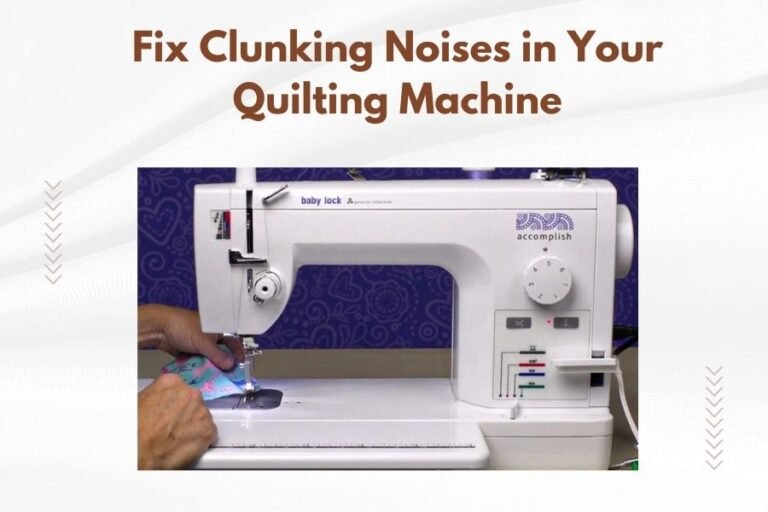
Quilting machines have two thread pins to manage multiple threads simultaneously and prevent tangling during complex stitching patterns.
The dual thread pin system allows you to use different thread weights, colors, or types without switching spools mid-project.
What Are Thread Pins on Quilting Machines?
Thread pins are small metal or plastic posts that hold your thread spools in place. They keep the thread feeding smoothly into your machine while you sew.
Most basic sewing machines have one thread pin. But quilting machines? They often come with two or even more.
Think of thread pins like parking spots for your thread spools. The more spots you have, the more options you get.
How Thread Pins Work
Thread pins slide vertically through the center hole of thread spools. Some pins are fixed in place. Others can be moved or adjusted.
The thread unwinds from the spool and travels through various guides before reaching your needle. This path keeps tension steady and prevents knots.
The Main Reason for Two Thread Pins
You get flexibility. With two thread pins, you can set up different threads at the same time.
Maybe you want to use a heavy thread for quilting and a lighter thread for piecing. Or perhaps you need two different colors for a specific design.
Instead of constantly changing spools, you just switch between the two threads already loaded on your machine.
Time Savings
I found that quilters often switch between 3-4 different threads during one project. With dual thread pins, you cut down setup time by half.
No more unwinding. No more re-threading. You simply move from one pin to the other.
Consistent Tension
Each thread pin can be set up with its own tension settings. This helps when you’re using threads with different weights or materials.
Cotton thread behaves differently than polyester. Metallic threads need gentler handling than regular threads.
Common Uses for Dual Thread Pins
Here are the most popular ways quilters use two thread pins:
Color Changes
You’re working on a quilt with red and blue sections. Load red thread on pin one and blue thread on pin two. Switch between them as needed.
This works great for appliqué work where you need to match different fabric colors.
Thread Weight Variations
Heavy quilting thread (like 12-weight) on one pin. Standard piecing thread (50-weight) on the other pin.
You can quilt the main design with heavy thread, then switch to lighter thread for detail work.
Material Mixing
Cotton thread for most of your work. Metallic or specialty thread for accents.
Specialty threads can be tricky to work with. Having them pre-loaded saves you from multiple setup attempts.
Decorative Stitching
Some quilting patterns call for decorative stitches in contrasting colors. You might use your main color for 90% of the work and a contrast color for borders or highlights.
Thread Matching
When piecing blocks with different colored fabrics, you might want your thread to match each section. Two pins let you switch between colors without losing your rhythm.
Types of Thread Pin Systems
Not all dual thread pin setups work the same way. Here’s what you’ll find:
Vertical Pin Systems
Most common setup. Two pins stick straight up from the machine top. Thread spools sit on top and unwind as you sew.
These work well for standard thread spools and give you easy access for changes.
Horizontal Pin Systems
Less common but useful for certain thread types. The spools lay on their side instead of standing up.
This setup can reduce thread twist with some specialty threads.
Adjustable Pin Systems
Some machines let you move the pins to different positions. This helps with thread feeding angles and can reduce tension problems.
Fixed vs. Movable Pins
Fixed pins stay in one spot. Movable pins can slide along a track or be repositioned entirely.
Movable pins give you more control but add complexity. Most quilters find fixed pins work fine for their needs.
Thread Management Benefits
Beyond convenience, dual thread pins offer real practical benefits:
Reduced Thread Waste
When you constantly change thread spools, you end up cutting and wasting thread from the previous setup. With two pins, both threads stay ready to use.
Better Thread Quality
Some threads don’t like being wound and unwound repeatedly. Metallic threads can fray. Delicate silk threads can weaken.
Keeping threads loaded on separate pins reduces handling and keeps them in better condition.
Project Continuity
You maintain your sewing flow better. Less stopping means better stitch consistency and fewer mistakes.
Tension Stability
Each thread pin can have its own tension disc or guide system. This means you get consistent tension for each thread type without constant adjustments.
Choosing the Right Thread for Each Pin
Research shows that thread choice affects stitch quality more than most other factors. Here’s how to set up your dual pins:
Pin One: Your Workhorse Thread
Put your most-used thread here. Usually a neutral color that works with most of your fabric.
50-weight cotton or polyester works for about 80% of quilting tasks.
Pin Two: Your Specialty Thread
This is for color changes, weight changes, or material changes.
Could be metallic for accents, heavy thread for quilting lines, or just a different color for contrast.
Thread Compatibility
Make sure both threads work with your needle choice. You can’t use a heavy thread needle with delicate silk thread.
Most quilters find a size 90/14 needle handles both 50-weight and 40-weight threads well.
Common Problems and Solutions
Even with dual thread pins, you might run into issues:
Thread Tangling
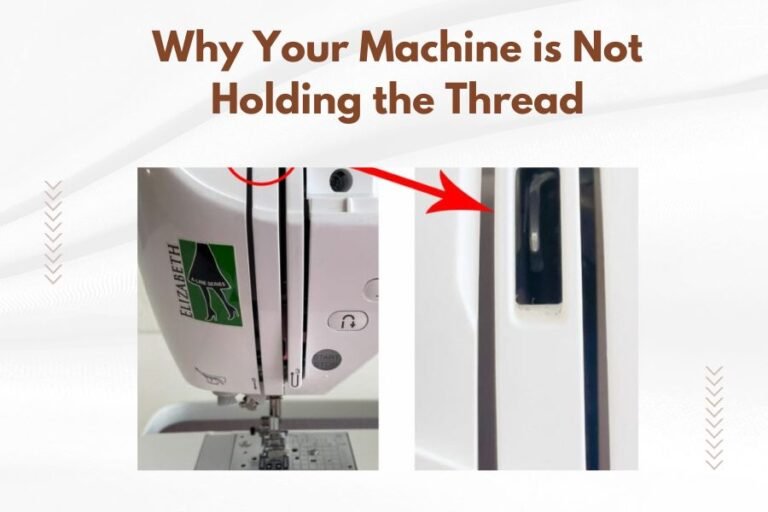
Two threads can cross and tangle if not managed properly. Keep them separated with thread guides.
Many machines have guide hooks or eyelets to keep each thread on its own path.
Tension Differences
Different threads need different tensions. Mark your settings or use machines with separate tension controls for each pin.
Spool Size Issues
Large spools might not fit well with two pins close together. Check your machine’s pin spacing before buying large thread spools.
Thread Feeding Problems
Sometimes one thread feeds faster than the other. This usually means different spool sizes or thread weights are affecting the unwind rate.
Maintenance Tips for Dual Thread Pins
Keep your thread pins working smoothly:
- Clean thread guides regularly to remove lint buildup
- Check pin threads for nicks that could catch thread
- Oil any moving parts according to your manual
- Replace worn thread guides when they get rough
When to Replace Thread Pins
Thread pins wear out over time. Look for rough spots, bent pins, or loose fittings.
Most pins are inexpensive and easy to replace. Don’t let worn pins damage your expensive threads.
Conclusion
Quilting machines have two thread pins because quilting projects demand more thread versatility than regular sewing. You need different colors, weights, and materials throughout most quilts. Dual thread pins let you prepare for these changes instead of constantly stopping to rethread your machine. This simple feature saves time, reduces waste, and keeps your quilting projects flowing smoothly. Whether you’re switching between quilting and piecing threads or just changing colors for different blocks, those two thread pins make your quilting life much easier.
Do all quilting machines come with two thread pins?
No, entry-level quilting machines often have just one thread pin. Mid-range and high-end quilting machines typically include dual thread pins as a standard feature.
Can I add a second thread pin to my single-pin machine?
Some machines allow aftermarket thread pin additions, but this varies by model. Check with your machine manufacturer for compatible accessories before attempting modifications.
What happens if I use two very different thread weights on dual pins?
You’ll need to adjust tension settings when switching between drastically different thread weights. Some machines have separate tension controls for each thread path to handle this better.
Should I keep both thread pins loaded all the time?
Only if you’re actively using both threads. Leaving thread loaded for long periods can cause tension spring fatigue and create dust accumulation in the thread path.
Can I use the same color thread on both pins?
Yes, this is useful when working on large projects where you might run out of thread mid-seam. Having a backup spool ready prevents interruptions in your quilting flow.