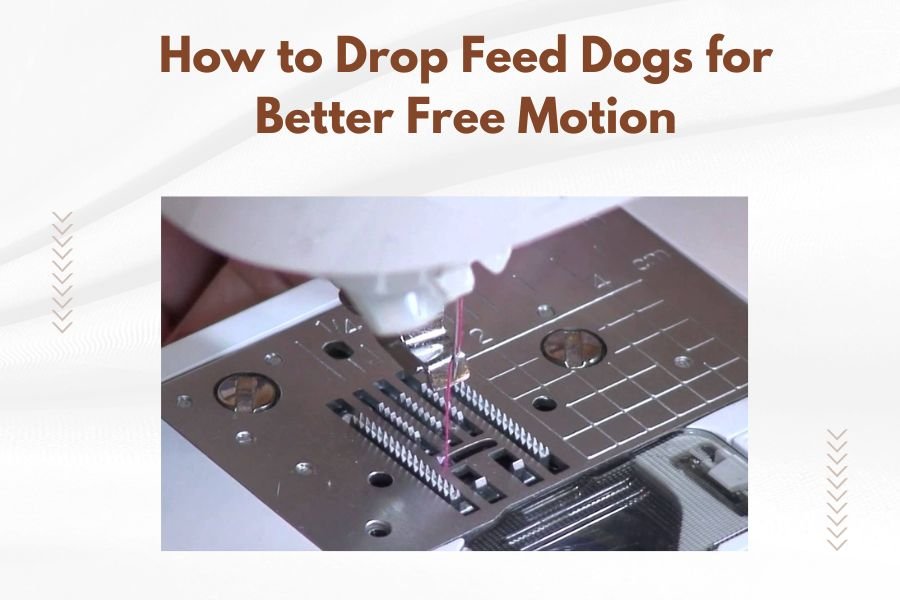
To drop feed dogs for better free motion quilting, locate the feed dog drop lever or button on your machine and engage it to lower the feed dogs below the needle plate surface.
This allows you complete control over fabric movement, letting you stitch in any direction while creating beautiful free motion designs.
Free motion quilting opens up a world of creative possibilities. But first, you need to master one key step: dropping those feed dogs. Think of feed dogs as helpful assistants that normally guide your fabric forward. When you drop them, you become the boss of fabric movement.
Let me walk you through everything you need to know about this game-changing technique.
What Are Feed Dogs and Why Drop Them?
Feed dogs are metal teeth that rise and fall beneath your needle plate. They grab fabric and pull it forward with each stitch. Perfect for straight seams, but they limit your creative freedom.
When you drop feed dogs, you take full control. You can move fabric in circles, create swirls, or stitch detailed patterns. The fabric goes where you guide it, not where the machine wants it to go.
The Science Behind Feed Dog Movement
Your sewing machine times everything perfectly. Feed dogs rise to grip fabric, move it forward, then drop down as the needle comes up. This creates even stitches in a straight line.
Research shows that consistent feed dog timing keeps stitch length uniform. But for free motion work, you want to break this pattern.
Different Methods to Drop Feed Dogs
Not all machines work the same way. I found that most modern quilting machines offer several options for dropping feed dogs.
Feed Dog Drop Lever Method
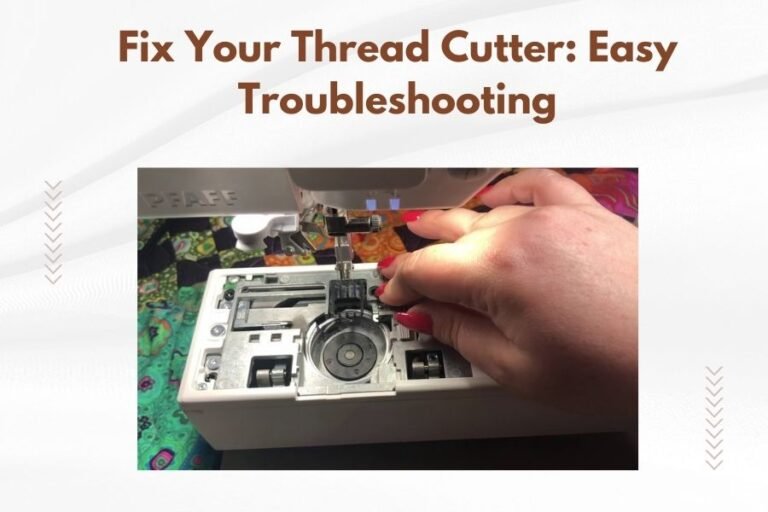
Many machines have a small lever near the free arm. Look for a switch marked with feed dog symbols or arrows pointing up and down.
- Locate the lever on your machine’s body
- Move it to the “down” or “drop” position
- Turn your handwheel to complete one full stitch cycle
- Check that feed dogs stay below the needle plate surface
Electronic Button Systems
Higher-end machines often use electronic controls. You might see a button with feed dog symbols on your display panel.
Press the button once to drop feed dogs. The machine will show a confirmation on the screen. Some models require you to press the button twice for safety.
Cover Plate Method
Older machines might not have drop mechanisms. Instead, you cover the feed dogs with a special plate that comes with your machine accessories.
- Remove the regular needle plate
- Install the feed dog cover plate
- Make sure it sits flush and secure
- Test with scrap fabric first
Step-by-Step Guide to Dropping Feed Dogs
Ready to try it yourself? Here’s my tested method that works for most quilting machines.
Before You Start
Turn off your machine completely. This prevents accidental stitching while you make adjustments. Keep your machine manual nearby for reference.
Finding Your Machine’s Controls
Check these common locations for feed dog controls:
- Left side of the machine near the handwheel
- Behind the free arm on the machine body
- Electronic display panel for computerized models
- Under a hinged cover near the bobbin area
For Manual Lever Systems
Slide the lever to the drop position. You’ll usually feel or hear a small click. The lever might be stiff if you haven’t used it before.
For Electronic Systems
Turn on your machine and navigate to the feed dog setting. Press the drop button and wait for confirmation on your display.
Testing Your Setup
Place scrap fabric under the presser foot. Lower the foot and take a few stitches by hand. The fabric should not move forward automatically.
If fabric still moves, double-check your settings. Some machines need a complete stitch cycle before the change takes effect.
Common Problems and Quick Fixes
Even experienced quilters run into issues when dropping feed dogs. Here are solutions I found work best.
Feed Dogs Won’t Stay Down
This happens when the timing is off. Turn your handwheel slowly through one complete cycle. The feed dogs should drop and stay down.
If they keep popping up, check your machine manual. Some models require specific timing for the drop mechanism to engage.
Fabric Still Moves Forward
Your presser foot might be the culprit. Regular presser feet can still grab and move fabric slightly. Switch to a free motion or darning foot designed for this technique.
Choosing the Right Presser Foot
Free motion feet have a round or oval opening around the needle. They “hop” up and down with each stitch instead of staying pressed down.
| Foot Type | Best For | Key Feature |
|---|---|---|
| Open Toe | Detailed work | Clear visibility |
| Closed Toe | General quilting | Better fabric control |
| Spring Loaded | Thick layers | Adjusts to fabric height |
Uneven Stitches
Without feed dogs, your hand speed controls stitch length. Move too fast and stitches get long. Move too slow and they bunch up.
Practice on scraps first. Aim for steady, consistent movement. Your sewing speed and hand speed need to work together.
Setting Up for Free Motion Success
Dropping feed dogs is just the first step. Your whole setup affects your quilting results.
Thread Tension Adjustments
Free motion quilting often needs looser top tension. Start by reducing your normal tension by one number. Test on scraps and adjust as needed.
From what I read, many quilting experts recommend starting around 3-4 on most machines, then fine-tuning based on your thread and fabric combination.
Workspace Preparation
You need smooth fabric movement in all directions. Clear space around your machine. Consider a large table extension if you’re quilting big projects.
Lighting and Positioning
Good lighting prevents eye strain during detailed work. Position your machine so you can see needle and fabric clearly. Adjust your chair height for comfortable arm movement.
Practicing Free Motion Techniques
Now comes the fun part. With feed dogs dropped, you can explore different quilting patterns.
Start With Simple Shapes
Begin with circles and gentle curves. These help you get used to controlling fabric movement without worrying about complex designs.
Practice moving the fabric smoothly while maintaining steady stitching speed. Think of your hands as dancing with the machine.
Building Muscle Memory
Free motion quilting is like learning to write with both hands. Your dominant hand guides the fabric while your other hand supports and steadies.
Spend 10-15 minutes daily practicing basic movements. You’ll build confidence and control much faster than occasional long sessions.
Essential Practice Patterns
- Meandering – random curved lines that don’t cross
- Stippling – small, tight meandering
- Loops and swirls – continuous circular motions
- Straight lines – sounds easy but requires steady hands
Advanced Free Motion Tips
Once you master the basics, these techniques will take your quilting to the next level.
Speed Control Strategies
Many machines have speed control settings. Start with medium speed while learning. You can always increase speed as your confidence grows.
Some quilters prefer slower machine speeds with faster hand movement. Others like fast stitching with deliberate hand placement. Find what feels natural for you.
Managing Large Quilts
Big projects get heavy and awkward. Roll up sections you’re not working on. Use binder clips or quilt clips to keep rolled sections tight.
Support the weight of your quilt so it doesn’t pull against the needle. A table extension or separate table beside your machine helps tremendously.
Quilting Sequence Planning
Start quilting from the center and work outward. This prevents puckering and keeps your quilt square. Plan your quilting path to minimize stopping and starting.
Troubleshooting Common Free Motion Issues
Every quilter faces challenges with free motion work. Here are solutions for the most frequent problems.
Thread Breaks and Nesting
Thread breaks often happen when tension is wrong or you’re moving fabric too fast. Check your threading path and make sure thread flows smoothly.
Nesting (loops of thread under your fabric) usually means top tension is too loose or you lifted the presser foot while stitching.
Skipped Stitches
This frustrating issue has several causes. Your needle might be dull, bent, or the wrong size for your thread. Try a fresh needle first.
Sometimes the presser foot pressure needs adjustment. Consult your manual for pressure settings specific to free motion work.
Needle and Thread Compatibility
Match needle size to thread weight. Heavy threads need larger needles. Metallic or specialty threads often work better with specific needle types designed for them.
When to Raise Feed Dogs Again
Don’t forget to raise those feed dogs when you’re done with free motion work. Most regular sewing needs feed dogs engaged.
Switching Between Modes
Make raising feed dogs part of your cleanup routine. Some machines automatically raise them when you turn off and restart. Others stay in whatever position you left them.
Always test with scrap fabric when switching back to regular sewing. This confirms your feed dogs are working properly.
Maintenance for Feed Dog Mechanisms
Keep your feed dog system clean and well-maintained for best performance.
Regular Cleaning
Lint and thread bits collect around feed dogs. Clean this area regularly with a small brush or compressed air. Remove the needle plate occasionally for thorough cleaning.
Lubrication Needs
Follow your machine manual for lubrication schedules. The feed dog mechanism has moving parts that need occasional oiling. Use only sewing machine oil, never household oils.
Conclusion
Dropping feed dogs opens up amazing creative possibilities in your quilting journey. Start with simple practice exercises and gradually build your skills. Remember that every expert quilter started exactly where you are now.
The key is consistent practice with proper setup. Take time to understand your specific machine’s controls and don’t rush the learning process. Your hands and eyes need time to coordinate this new skill.
Most importantly, have fun with it. Free motion quilting lets you add personal touches that make every project uniquely yours. With feed dogs dropped and creativity engaged, you’re ready to create beautiful, flowing quilting designs that will amaze everyone who sees your work.
Can I damage my sewing machine by dropping the feed dogs?
No, dropping feed dogs won’t damage your machine when done correctly. This feature is built into quilting machines specifically for free motion work. Just follow your manual’s instructions and avoid forcing any mechanisms.
What’s the difference between covering and dropping feed dogs?
Dropping feed dogs lowers them mechanically below the needle plate surface. Covering uses a special plate that sits over raised feed dogs. Both achieve the same result, but dropping is generally more effective and doesn’t require extra accessories.
Why do my stitches look uneven with dropped feed dogs?
Uneven stitches happen when your fabric movement speed doesn’t match your machine’s stitching speed. Practice moving fabric at consistent speeds and consider using your machine’s speed control to find a comfortable rhythm.
Should I use a different thread for free motion quilting?
Regular quilting thread works fine for free motion. However, some quilters prefer slightly heavier threads for better visibility of their designs. Cotton, polyester, and specialty threads all work well when paired with appropriate needles.
How do I stop my fabric from bunching up during free motion quilting?
Fabric bunching usually indicates incorrect presser foot pressure or moving the fabric too quickly. Use a proper free motion foot, check your tension settings, and practice smooth, controlled fabric movement at moderate speeds.