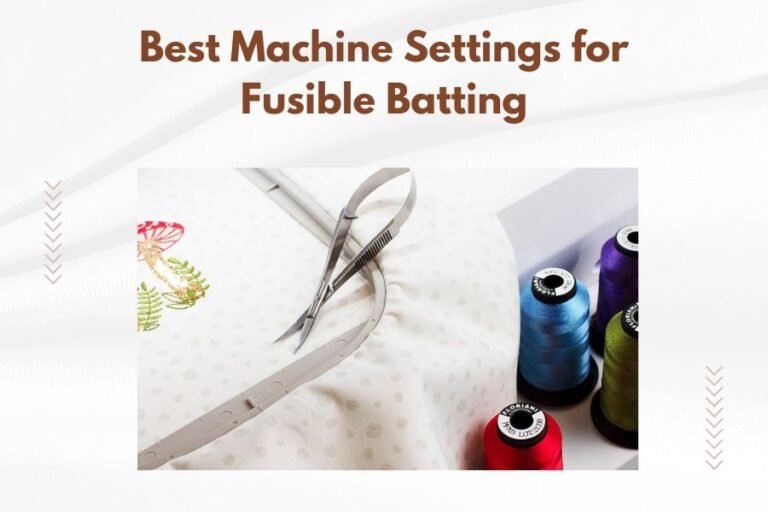
A darning foot has an open circle that moves up and down with the needle, while free motion quilting removes or lowers the feed dogs completely for total fabric control.
The main difference between darning foot vs. free motion is the level of fabric guidance – darning feet provide some structure, while free motion gives you complete freedom of movement.
What Is a Darning Foot?
A darning foot looks like a small hoop or circle attached to your sewing machine. It sits around the needle area and moves up and down as you sew.
This foot was originally designed for mending holes in fabric. You know those annoying holes in socks? That’s where darning comes in.
The foot holds your fabric flat against the needle plate. But here’s the key part – it lifts up when the needle goes down. This lets you move your fabric around freely.
How Does a Darning Foot Work?
Think of it like training wheels on a bike. The darning foot gives you some guidance while still letting you steer.
When you use a darning foot, you drop or cover the feed dogs. Feed dogs are those little teeth that normally pull your fabric through the machine.
With the feed dogs down, you become the boss of fabric movement. The foot just keeps things steady.
Key Features of Darning Feet
- Open circle or spring-loaded design
- Moves with the needle bar
- Keeps fabric flat during stitching
- Works with dropped feed dogs
- Usually plastic or metal construction
What Is Free Motion Quilting?
Free motion quilting means you control every aspect of fabric movement. No feed dogs. No restrictions. Just you, your machine, and complete creative freedom.
I found that many quilters love this technique because it feels like drawing with thread. You can create swirls, flowers, words, or geometric patterns.
Free Motion Setup Requirements
To do true free motion work, you need to make some changes to your machine setup.
First, drop those feed dogs completely. Some machines have a lever. Others use a cover plate.
Next, you might use a darning foot, or you might remove the foot entirely. This depends on your comfort level and what you’re making.
Machine Settings for Free Motion
- Feed dogs lowered or covered
- Straight stitch setting
- Medium to high thread tension
- Moderate needle speed
- Consistent stitch length through hand movement
Speed and Control Differences
Here’s where things get interesting. With a darning foot, you have a safety net. The foot keeps your fabric from jumping around too much.
Free motion without any foot? That’s like driving without guardrails. Exciting, but it takes more skill.
Learning Curve Comparison
I researched quilting forums and found that most beginners prefer starting with a darning foot. It makes sense – you’re learning to coordinate hand and machine speed without worrying about fabric control.
Free motion takes more practice. You’re managing fabric movement, stitch speed, and design direction all at once.
Beginner-Friendly Factors
| Factor | Darning Foot | Free Motion |
|---|---|---|
| Fabric Control | Easier | More challenging |
| Stitch Consistency | More uniform | Varies with practice |
| Creative Freedom | Some limitations | Complete freedom |
| Learning Time | Shorter | Longer |
Design Flexibility Comparison
Can you create beautiful designs with both methods? Absolutely. But they each have sweet spots.
Darning feet excel at consistent, repeating patterns. Think stippling, meandering, or echo quilting. The foot helps keep your stitches even.
Best Projects for Darning Feet
I found online that darning feet work great for:
- Basic stippling and vermicelli patterns
- Simple curved designs
- Texture quilting on large areas
- Beginning free motion projects
- Consistent background fills
Best Projects for Pure Free Motion
Free motion without a foot opens up more possibilities:
- Detailed feather designs
- Custom lettering and words
- Intricate floral motifs
- Tight curves and sharp angles
- Thread painting techniques
Machine Compatibility Issues
Not every sewing machine handles both techniques equally well. Some machines are built for precision piecing, not free motion work.
High-end quilting machines often come with multiple darning foot options. You might get a closed-toe version, an open-toe version, and a spring-loaded option.
Feed Dog Considerations
Some older machines don’t have a feed dog drop lever. You can buy a cover plate, but this adds another step to your setup.
I came across information showing that electronic feed dog controls work better than manual covers. Less chance of the dogs popping up mid-project.
Machine Features That Help
- Electronic feed dog control
- Knee lifter for presser foot
- Needle up/down positioning
- Variable speed control
- Extended throat space
Thread Tension Differences
Thread tension behaves differently with these two approaches. With a darning foot, you usually need slightly looser tension than normal sewing.
Free motion can be trickier. Moving fabric quickly might require tighter tension. Moving slowly might need looser settings.
Troubleshooting Common Tension Problems
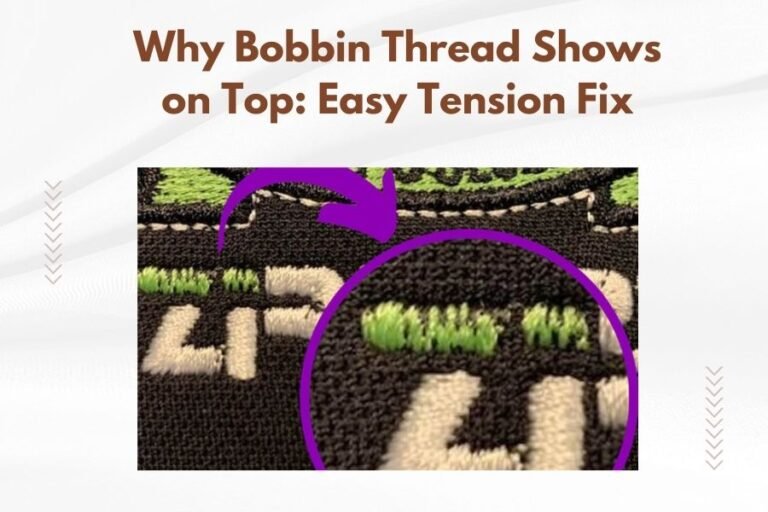
Loopy stitches on top? Your top tension is too loose. Tight, puckered fabric? Top tension is too tight.
But here’s the thing – fabric speed affects tension too. Consistent movement helps maintain consistent stitches.
Tension Starting Points
For darning foot work, try your normal tension minus one setting. For free motion, start with normal tension and adjust based on your fabric movement speed.
Fabric Handling Techniques
Both methods require you to guide the fabric, but the feel is different. With a darning foot, you’re working against a slight resistance from the foot.
Pure free motion feels more fluid. Some quilters describe it as ice skating – smooth gliding with full directional control.
Hand Position Tips
Keep your hands in a “C” shape around the needle area. This gives you the best control without blocking your view.
I found that many experts recommend keeping your hands relaxed. Tense hands create jerky movements and uneven stitches.
Grip Techniques That Work
- Light finger pressure on fabric
- Hands positioned like holding a steering wheel
- Wrists resting on the machine table
- Smooth, flowing movements
- Consistent fabric-to-needle distance
Safety and Comfort Factors
Free motion quilting can be tough on your body. You’re leaning over your work, moving fabric constantly, and concentrating hard.
Darning feet reduce some of this strain. The foot prevents fabric from jumping, so you don’t need to grip as tightly.
Ergonomic Considerations
Good lighting becomes extra important with both techniques. You need to see exactly where your needle is going.
Chair height matters too. Your elbows should be slightly below table level for comfortable fabric maneuvering.
Preventing Fatigue and Injury
- Take breaks every 20-30 minutes
- Stretch your hands and wrists regularly
- Use proper lighting to reduce eye strain
- Keep good posture while quilting
- Don’t grip the fabric too tightly
Cost and Equipment Differences
A basic darning foot costs between $15 and $40. Most sewing machine brands make compatible versions.
Free motion quilting might not require buying anything new if your machine already has feed dog controls.
Additional Accessories You Might Want
Quilting gloves help with fabric grip. They have rubber fingertips and breathable fabric palms.
Extension tables give you more workspace. This helps support large quilts during free motion work.
Budget-Friendly Options
You don’t need expensive accessories to start. I heard from experts that beginners often do fine with basic darning feet and good lighting.
Practice fabric scraps work just as well as expensive quilting cotton for learning these techniques.
Which Technique Should You Choose?
Start with a darning foot if you’re new to free motion work. It builds confidence and teaches basic fabric handling skills.
Once you’re comfortable with coordinated movement, try removing the foot for more creative freedom.
Factors That Influence Your Choice
What kind of designs do you want to create? Geometric patterns work well with darning feet. Organic, flowing designs might benefit from pure free motion.
Your machine type matters too. Some domestic machines work better with the stability a darning foot provides.
Project-Based Decision Making
Large area fills? Use a darning foot for consistency. Detailed motifs? Try free motion for precision control.
You can even switch techniques within the same project. Many quilters use darning feet for backgrounds and free motion for focal designs.
Conclusion
Both darning foot and free motion quilting have their place in your sewing toolkit. The darning foot offers stability and consistency, making it perfect for beginners and large background areas. Free motion provides unlimited creative control for detailed work and custom designs.
Your choice depends on your experience level, project requirements, and creative goals. Many successful quilters use both techniques, often in the same project. Start with whichever feels more comfortable, then expand your skills as your confidence grows. Remember, there’s no wrong choice – just different tools for different creative visions.
Can I use a darning foot for regular free motion quilting?
Yes, a darning foot is actually a type of free motion quilting tool. It provides stability while still allowing you to guide fabric freely with the feed dogs dropped.
Do I need special thread for darning foot or free motion work?
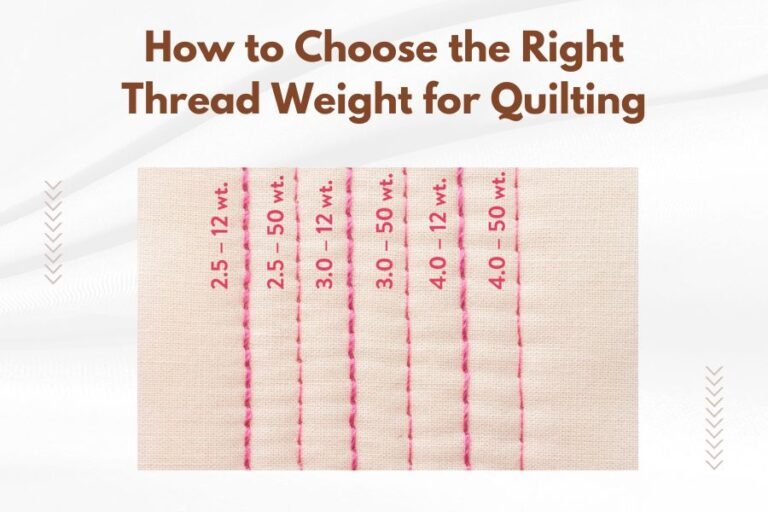
No special thread is required. Regular cotton or polyester quilting thread works well for both techniques. Choose thread weight based on your design goals rather than the technique itself.
Why do my stitches look uneven in free motion quilting?
Uneven stitches usually result from inconsistent fabric movement speed. Practice moving the fabric at a steady pace that matches your machine’s stitching speed for more uniform results.
Can I switch between darning foot and no foot during the same project?
Absolutely. Many quilters use darning feet for background fills and remove the foot for detailed motifs. Just remember to adjust your technique and possibly your tension settings when switching.
Which technique is better for quilting large quilts?
Darning feet often work better for large quilts because they provide more fabric control and reduce fatigue. The added stability helps when maneuvering heavy quilt layers through your machine.