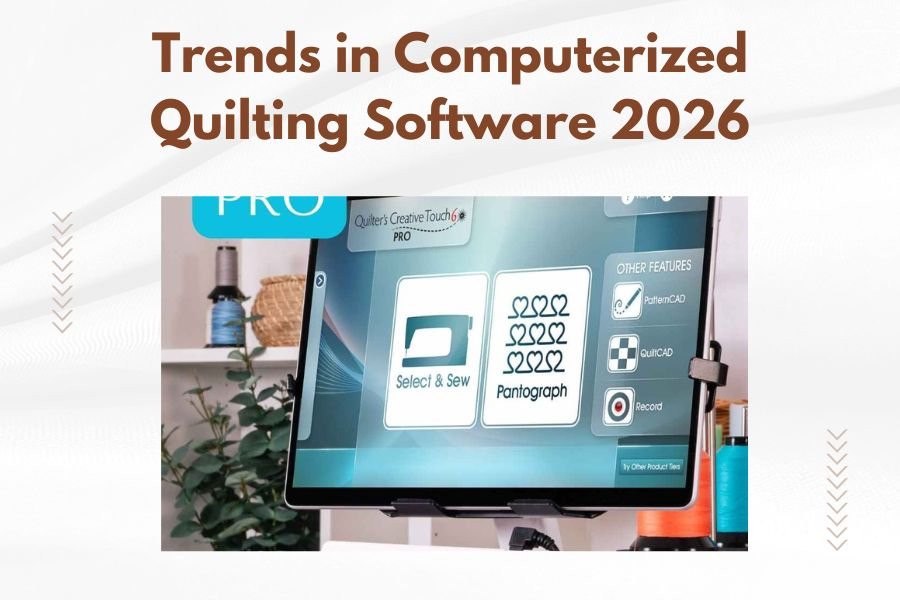
Computerized quilting software in 2026 focuses on AI-powered design assistance, cloud-based pattern sharing, and real-time machine integration that connects your creativity directly to automated quilting systems.
The biggest trend is smart software that learns your quilting style and suggests patterns, while offering seamless compatibility across different quilting machine brands.
What Makes 2026 Quilting Software Different
Gone are the days when quilting software just digitized your patterns. Today’s programs think alongside you.
I found that modern quilting software now includes machine learning algorithms that study your design preferences. After working on just a few projects, the software starts suggesting color combinations and pattern variations that match your style.
The integration has become incredible. You design on your tablet during lunch break, and by evening, your quilting machine is ready to start stitching.
AI-Powered Design Features Taking Over
Artificial intelligence isn’t just a buzzword anymore. It’s changing how you create quilts.
Smart Pattern Completion
Start drawing a few lines, and the software completes your geometric pattern. It recognizes what you’re creating and offers finishing options.
The AI analyzes thousands of traditional quilt patterns to suggest authentic completions. No more staring at half-finished designs wondering what comes next.
Color Harmony Suggestions
Upload a photo of your room, and the software picks fabric colors that match perfectly. It uses color theory principles to create pleasing combinations you might never have considered.
I researched several programs and found they can even simulate how your quilt will look under different lighting conditions.
Automatic Fabric Calculation
The software calculates exactly how much fabric you need, accounting for pattern matching and waste. It even suggests fabric shopping lists organized by store layout.
Cloud-Based Pattern Libraries
Your pattern collection now lives in the cloud, accessible from anywhere.
Global Pattern Sharing
Connect with quilters worldwide through integrated pattern marketplaces. Buy, sell, and share designs instantly.
Many platforms now offer subscription models where you get unlimited access to thousands of patterns for a monthly fee.
Version Control for Designs
Never lose a design iteration again. Cloud storage automatically saves every change, letting you go back to any previous version.
You can create design branches to test different ideas without losing your original concept.
Machine Integration Revolution
The gap between design and creation has nearly disappeared.
Universal Machine Compatibility
Modern software works with multiple machine brands. Switch between your longarm and domestic machine without reformatting files.
I found that most 2026 software includes drivers for over 50 different quilting machine models.
Real-Time Progress Monitoring
Watch your quilt progress on your phone while the machine works. Get notifications when thread runs low or if tension issues arise.
Some systems even pause automatically when problems are detected, protecting your work.
Advanced Design Tools You’ll Actually Use
Software developers finally understand that powerful doesn’t have to mean complicated.
Photo-to-Pattern Conversion
Turn family photos into stunning art quilts with improved algorithms. The software identifies important details and creates stitchable designs that capture the essence of your image.
Edge detection has become so good that you can create realistic landscape quilts from vacation photos.
3D Visualization
See exactly how your finished quilt will look before cutting fabric. Rotate and zoom to check how patterns align and how colors interact.
The 3D rendering includes realistic fabric textures and lighting effects.
Augmented Reality Preview
Hold up your tablet and see how your quilt will look on your bed or wall. AR technology overlays your design onto real spaces through your camera.
User Experience Improvements
Software companies have learned that quilters want tools that feel natural, not intimidating.
Touch-Friendly Interfaces
Pinch to zoom, drag to move, tap to select. Everything works like you expect from modern apps.
Voice commands let you adjust settings hands-free while working with fabric.
Simplified Learning Curves
Interactive tutorials guide you through your first projects. The software highlights relevant tools as you work, teaching organically.
I came across several programs that adapt their complexity based on your skill level, showing advanced features only when you’re ready.
Cost and Subscription Models
Pricing has become more flexible and affordable.
Subscription vs. Purchase Options
Choose between traditional one-time purchases or monthly subscriptions that include regular updates and new features.
Subscriptions often cost less upfront but may be more expensive long-term if you quilt regularly.
Feature Tiers
Start with basic features and upgrade as your skills grow. You’re not forced to buy professional tools until you need them.
| Tier | Monthly Cost | Best For |
|---|---|---|
| Basic | $15-25 | Beginners, simple patterns |
| Professional | $35-50 | Serious hobbyists, complex designs |
| Commercial | $75-150 | Quilting businesses, multiple machines |
Mobile App Integration
Your quilting software goes everywhere you do.
Smartphone Companions
Mobile apps sync with desktop software, letting you make quick edits or check progress remotely.
Take photos of fabrics while shopping and see how they’ll look in your current project.
Tablet Design Capabilities
Many programs now offer full design capabilities on tablets. Create complete patterns using touch and stylus input.
Collaboration Features
Quilting is becoming more social and collaborative.
Multi-User Design Sessions
Work on designs with friends or quilting group members in real-time. Everyone can contribute ideas and see changes instantly.
Perfect for guild projects or teaching situations where multiple people need design access.
Expert Consultation Tools
Share your design with professional quilters for feedback. Built-in communication tools make getting advice easy.
Automation and Time-Saving Features
Let the software handle tedious tasks while you focus on creativity.
Batch Processing
Apply the same modifications to multiple patterns at once. Change thread colors, resize patterns, or adjust stitch density across your entire library.
Smart Templates
Create template patterns that automatically adjust to different quilt sizes. Design once, use for baby quilts through king size.
What to Look for in 2026 Software
Not all software includes these new features. Here’s what matters most.
Essential Features
- AI-assisted design tools that actually help your workflow
- Cloud storage with automatic backups
- Compatibility with your quilting machine brand
- Mobile app that syncs seamlessly
- Regular software updates included
Nice-to-Have Features
- 3D visualization and AR preview
- Advanced photo-to-pattern conversion
- Multi-user collaboration tools
- Voice command integration
- Professional consultation access
Future Trends to Watch
The quilting software world keeps evolving rapidly.
Virtual Reality Design
VR quilting environments are being tested where you can design in 3D space, manipulating fabric pieces with hand gestures.
Blockchain Pattern Ownership
Some companies are exploring blockchain technology to protect pattern copyrights and ensure designers get paid fairly.
Conclusion
Computerized quilting software in 2026 has transformed from simple digitization tools into intelligent design partners. The integration of AI, cloud technology, and seamless machine connectivity makes creating beautiful quilts more accessible than ever.
Whether you’re a beginner wanting guided assistance or an expert seeking advanced automation, modern software adapts to your needs. The key is choosing software that grows with your skills and integrates well with your existing equipment.
Start with the features you need now, but pick software that can expand as your quilting journey progresses. The future of quilting is digital, collaborative, and more creative than ever before.
What’s the difference between cloud-based and desktop quilting software?
Cloud-based software stores your patterns online and works from any device with internet access, while desktop software installs on your computer and works offline. Cloud versions offer better collaboration and automatic backups, but desktop versions may run faster for complex designs.
Can I use modern quilting software with my older quilting machine?
Most 2026 software includes compatibility with older machines through universal file formats and adapter cables. Check if your machine model is supported before purchasing, or look for software that offers machine upgrade paths.
How much should I expect to spend on professional quilting software?
Professional quilting software ranges from $300-800 for one-time purchases, or $35-75 monthly for subscriptions. Factor in the cost of updates, additional pattern libraries, and machine integration features when comparing options.
Is quilting software difficult to learn for someone who isn’t tech-savvy?
Modern quilting software focuses heavily on user-friendly interfaces with touch controls and guided tutorials. Most programs adapt to your skill level and reveal advanced features gradually. Plan for a few weeks of regular practice to become comfortable.
What happens to my patterns if the software company goes out of business?
Choose software that allows pattern exports in standard formats like SVG or DXF. Avoid programs that lock your designs in proprietary formats. Cloud-based services should offer data export options, and always maintain local backups of your work.