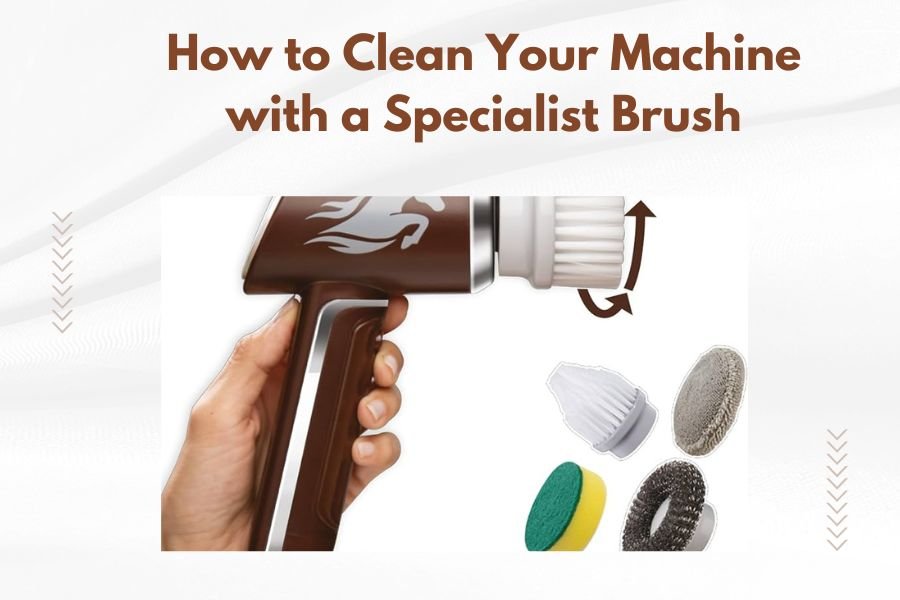
Clean your quilting machine with a specialist brush by removing loose threads, using the brush to sweep out lint from the bobbin area, and gently cleaning feed dogs and tension discs.
Regular cleaning with the right brush prevents thread jams, maintains stitch quality, and extends your machine’s life significantly.
You know that feeling when your quilting machine starts acting up? Threads breaking, stitches looking wonky, or that annoying clicking sound? Nine times out of ten, your machine is just asking for a good cleaning.
Think of your quilting machine like your car. You wouldn’t drive 10,000 miles without an oil change, right? Your machine needs the same kind of regular care.
Why Your Quilting Machine Needs Special Cleaning
Quilting creates more lint than regular sewing. All that cotton batting and fabric creates tiny fibers that float around and settle in your machine’s nooks and crannies.
I found through research that lint buildup is the number one cause of quilting machine problems. It clogs up moving parts, messes with tension, and can even damage your machine permanently.
Your machine’s manual probably mentions cleaning, but most people skip this part. Don’t be most people.
What Makes a Specialist Brush Different
You might think any old brush will do. Not quite. Specialist brushes for sewing machines have specific features that regular brushes don’t.
Stiff But Safe Bristles
These brushes use bristles that are firm enough to dislodge stubborn lint but won’t scratch delicate machine parts. Regular brushes might be too soft or too harsh.
Perfect Size and Shape
Specialist brushes fit into tight spaces around your bobbin case, under your needle plate, and between feed dogs. They’re designed for machine anatomy.
Anti-Static Properties
Many specialist brushes have anti-static bristles. This stops lint from sticking to the brush and flying back into your machine.
Essential Tools You’ll Need
Before you start, gather these items:
- Your specialist machine brush
- Small screwdriver (usually comes with your machine)
- Tweezers for stubborn threads
- Clean, lint-free cloth
- Machine oil (if your manual recommends it)
- Good lighting or small flashlight
Having everything ready makes the job much faster. You don’t want to hunt for tools with your machine half apart.
Step-by-Step Cleaning Process
Let’s walk through this together. I’ll break it down so it’s super simple.
Turn Off and Unplug Your Machine
Safety first. Always unplug your machine before cleaning. This prevents accidental needle pricks if you bump the foot pedal.
Remove your current project and thread. You want clear access to all areas.
Remove the Needle and Presser Foot
Take out your needle completely. This gives you better access and prevents accidents.
Remove the presser foot too. Most snap off easily, but check your manual if you’re unsure.
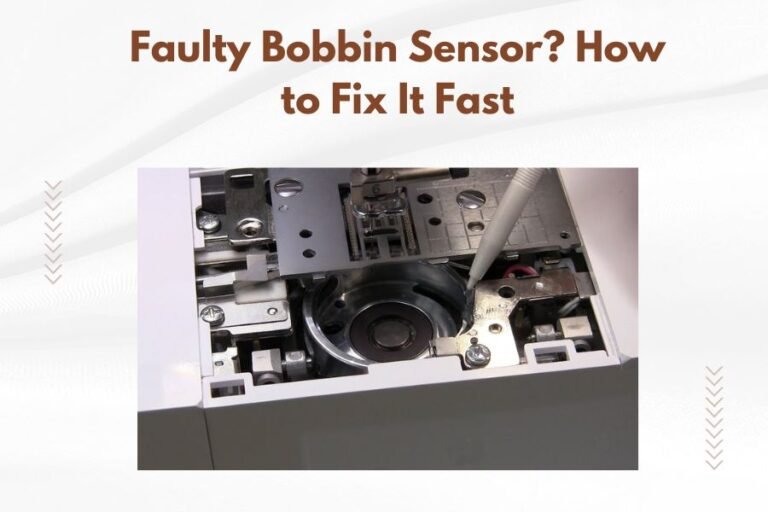
Open the Bobbin Area
Remove your bobbin case. This is where most lint hides, especially in quilting machines.
You’ll probably see lint right away. Don’t be shocked if there’s a lot. Even clean quilters deal with this.
Clean the Bobbin Case First
Use your specialist brush to sweep out all visible lint from the bobbin case area. Work systematically around the entire space.
The brush bristles should easily reach into corners where your fingers can’t go.
Check Under the Needle Plate
If your needle plate removes easily, take it out. You might find a surprising amount of lint underneath.
Brush this area gently but thoroughly. Lint here can affect your machine’s timing.
Clean the Feed Dogs
Feed dogs are those little teeth that move your fabric. They collect lint between their ridges.
Use your brush to sweep along the feed dogs, following their direction. Don’t brush against their movement.
Address the Upper Threading Area
Lint doesn’t just collect below. Check your upper tension discs and thread guides.
Gently brush around these areas. Be extra careful with tension discs since they’re precisely calibrated.
Advanced Cleaning Techniques
Once you’re comfortable with basic cleaning, these tips will help you get even better results.
The Blow-and-Brush Method
Some people use compressed air with their brush. If you try this, use very low pressure and keep the can upright.
Brush first, then a gentle air puff to remove loosened lint. Don’t blast air directly at delicate parts.
Dealing with Stubborn Thread Bits
Sometimes thread wraps around moving parts. Your brush might not get these.
Use tweezers to carefully remove wrapped threads. Never pull hard – you might bend something important.
When to Use Machine Oil
Not all machines need oiling, but some do. Check your manual first.
If your machine needs oil, apply it after cleaning, never before. Oil on dirty parts just makes sticky lint glue.
How Often Should You Clean
This depends on how much you quilt and what materials you use.
Heavy Quilters (Daily Use)
Clean your bobbin area every few days. Do a thorough cleaning weekly.
Regular Quilters (Few Times Per Week)
Clean the bobbin area weekly. Deep clean monthly.
Occasional Quilters (Weekends Only)
Clean after every major project or monthly, whichever comes first.
Signs Your Machine Needs Cleaning Now
- Visible lint in the bobbin area
- Thread keeps breaking
- Stitches look uneven
- Machine sounds different
- Fabric doesn’t feed smoothly
Common Cleaning Mistakes to Avoid
I’ve researched the most common problems people face when cleaning their machines. Here’s what to watch out for.
Using the Wrong Brush
Old toothbrushes seem handy, but they’re often too big or too soft. Specialist brushes work better every time.
Forgetting to Remove All Lint
Don’t just clean what you can see easily. Lint hides in surprising places. Be thorough.
Rushing the Reassembly
Take your time putting everything back together. A bobbin case installed wrong can cause major problems.
Double-Check These Parts
Before you start sewing again, make sure:
- Bobbin case clicks in properly
- Needle plate sits flat
- Presser foot attaches securely
- New needle is installed correctly
Troubleshooting After Cleaning
Sometimes machines act weird right after cleaning. Don’t panic. This usually sorts itself out.
First Few Stitches Look Odd
This is normal. Run a few practice seams on scrap fabric. Things usually settle down quickly.
Thread Tension Seems Different
Cleaning can affect how thread moves through your machine. You might need minor tension adjustments.
Test on scraps first. Make small changes until your stitches look right again.
Extending Time Between Deep Cleans
Want to clean less often? Here are some tricks that help.
Choose Your Batting Wisely
Some batting creates more lint than others. Research shows that bonded batting produces less lint than needle-punched varieties.
Pre-wash Your Fabrics
Washing removes loose fibers before they get into your machine. This simple step cuts lint significantly.
Quick Daily Maintenance
Spend 30 seconds after each quilting session removing visible threads and lint from your bobbin area. This prevents big buildups.
| Quilting Frequency | Quick Clean | Deep Clean | Professional Service |
|---|---|---|---|
| Daily quilting | Every 2-3 days | Weekly | Every 6 months |
| Several times weekly | Weekly | Monthly | Annually |
| Weekend quilting | After big projects | Every 2-3 months | Every 18 months |
When to Call a Professional
Sometimes cleaning isn’t enough. Here’s when you need expert help.
If your machine still has problems after thorough cleaning, don’t keep fighting it. Professional technicians have tools and knowledge you don’t.
Annual professional servicing catches problems before they become expensive repairs. Think of it as preventive maintenance.
Conclusion
Cleaning your quilting machine with a specialist brush isn’t rocket science, but it makes a huge difference in how your machine performs. Regular cleaning prevents most common quilting problems and keeps your machine running smoothly for years.
Remember, every quilting machine is different. Start with these general guidelines, but pay attention to what your specific machine needs. Some collect lint faster than others.
The few minutes you spend cleaning will save you hours of frustration later. Your future quilting self will thank you when projects flow smoothly and stitches look perfect.
How often should I clean my quilting machine if I quilt daily?
Daily quilters should do a quick bobbin area cleaning every 2-3 days and a thorough deep clean weekly. This prevents lint buildup that causes thread breaks and poor stitch quality.
Can I use a regular brush instead of a specialist machine brush?
Regular brushes often don’t work as well because they’re the wrong size, too soft to remove stubborn lint, or lack anti-static properties. Specialist brushes are designed specifically for machine cleaning and give much better results.
What should I do if my machine still has problems after cleaning?
If cleaning doesn’t solve your issues, check that all parts are reassembled correctly, especially the bobbin case. If problems continue, your machine may need professional servicing or have worn parts that need replacement.
Is it safe to use compressed air to clean my quilting machine?
Compressed air can be used carefully with low pressure, but brush cleaning is usually safer and more effective. If you use air, keep the can upright, use gentle puffs, and avoid blasting delicate parts like tension discs directly.
How do I know if I’m cleaning my machine correctly?
After proper cleaning, your machine should run more quietly, stitches should look even, and thread breaks should decrease significantly. If you notice improvements in these areas, you’re doing it right.