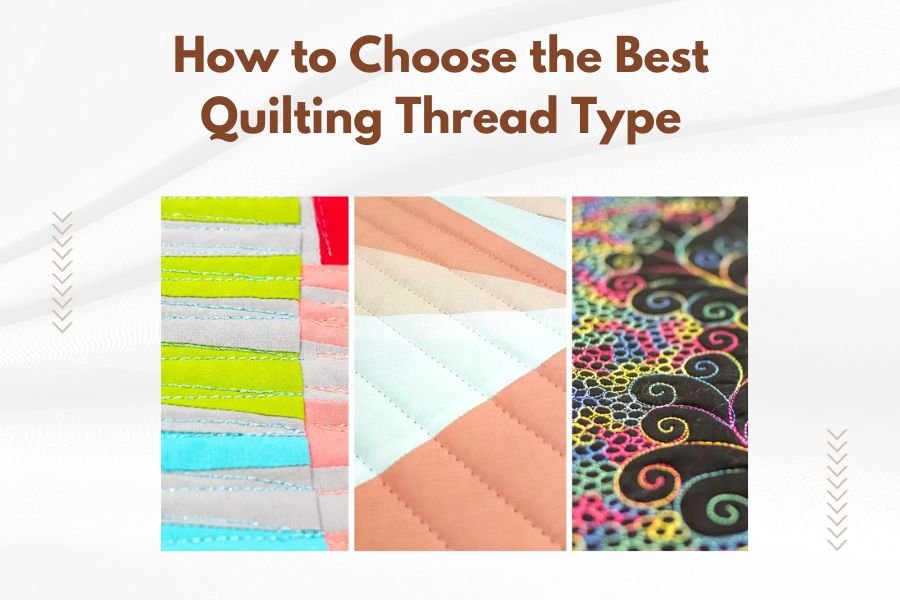
The best quilting thread type depends on your project, but cotton thread works well for most quilts because it’s strong, shrinks with your fabric, and ages naturally.
Choose polyester thread for high-stress areas like machine quilting dense patterns, cotton for traditional hand quilting, and silk thread for delicate fabrics or when you want an invisible finish.
What Makes Quilting Thread Different from Regular Sewing Thread
You might wonder if you can just grab any thread from your sewing box. Not really. Quilting thread faces unique challenges that regular thread can’t handle.
Quilting thread goes through multiple fabric layers repeatedly. It needs extra strength to survive all that friction without breaking. Regular thread often snaps under this pressure.
The twist in quilting thread is also different. It’s designed to glide smoothly through batting and multiple fabric layers. Regular thread can catch and create tension problems.
Cotton Thread: The Traditional Choice
Cotton thread remains the most popular choice for quilters. There’s a good reason why our grandmothers used it.
Why Cotton Thread Works So Well
Cotton thread shrinks at the same rate as cotton fabric. This prevents puckering after washing. Your quilt stays flat and smooth.
It also ages beautifully. As your quilt gets softer with time, cotton thread softens too. They grow old together gracefully.
Cotton thread holds dye well, so colors stay vibrant. You get consistent results across different brands.
Best Uses for Cotton Thread
Use cotton thread when you’re working with cotton fabrics. It’s perfect for hand quilting because it doesn’t tangle as much as other materials.
Cotton works great for decorative stitching where you want the thread to show. It has a nice matte finish that looks natural.
Cotton Thread Drawbacks
Cotton isn’t as strong as synthetic options. Heavy machine quilting can stress it to the breaking point.
It also fades in direct sunlight over time. If your quilt will hang in a sunny room, consider other options.
Polyester Thread: The Strong Performer
Polyester thread brings serious strength to your quilting projects. Many modern quilters swear by it.
Polyester Thread Advantages
This thread is incredibly strong. It handles dense machine quilting without breaking. You’ll spend less time rethreading your machine.
Polyester doesn’t shrink or fade. Your quilt colors stay bright for decades. It also resists mildew and most chemicals.
The thread has a slight stretch that can be helpful. It moves with your quilt instead of fighting it.
When to Choose Polyester
Pick polyester for machine quilting, especially dense patterns. It’s also smart for quilts that will get heavy use, like baby quilts or bed quilts.
Use it with synthetic fabrics or blends. The thread and fabric will behave similarly over time.
Potential Polyester Problems
Polyester can cut through delicate cotton fabrics over time. The strength that makes it useful can also make it destructive.
Some quilters find it harder to hand quilt with polyester. It can feel slippery and harder to control.
Silk Thread: The Luxury Option
Silk thread costs more, but it offers unique benefits that make it worth considering for special projects.
What Makes Silk Special
Silk thread is naturally strong yet fine. You get durability without bulk. It almost disappears into your quilt.
The natural sheen adds subtle elegance. Colors look rich and deep. Silk also takes dye beautifully.
Temperature doesn’t affect silk much. It stays flexible in cold weather and doesn’t get brittle with age.
Best Projects for Silk Thread
Use silk for heirloom quilts or wall hangings. It’s perfect when you want invisible quilting that doesn’t compete with your fabric.
Silk works wonderfully for appliqué. The fine thread creates nearly invisible stitches.
Silk Thread Considerations
The price makes silk impractical for large quilts. Save it for special details or smaller projects.
Some silk threads can be temperamental. They require careful tension adjustment and gentle handling.
Specialty Threads Worth Knowing
Beyond the big three, several specialty threads can add interest to your quilts.
Monofilament Thread
This clear plastic thread becomes nearly invisible in your quilt. It’s perfect for machine quilting when you want the pattern to show without visible thread.
Monofilament works well for quilting over busy prints. You won’t have to worry about thread color clashing with your fabric.
Metallic Thread
Metallic threads add sparkle and drama. They’re great for holiday quilts or special occasion projects.
These threads can be tricky to work with. They break easily and require special needles. Start with small projects to get the hang of them.
Variegated Thread
Color-changing threads create interesting effects. They work well for continuous-line quilting patterns.
Choose variegated threads carefully. Some color changes are too dramatic and create a busy look.
Thread Weight: Understanding the Numbers
Thread weight affects how your finished quilt looks and feels. The numbers can be confusing at first.
Common Quilting Thread Weights
Weight 50 is the most common quilting thread. It’s strong enough for most projects but fine enough to not add bulk.
Weight 40 is heavier and more visible. Use it when you want your quilting to stand out.
Weight 60 is finer and less visible. It’s good for delicate fabrics or when you want subtle quilting.
How Weight Affects Your Quilting
Heavier threads fill in quilting patterns more. Lighter threads let the fabric pattern dominate.
Match your thread weight to your project goals. Do you want to showcase the quilting or the fabric?
Choosing Thread Color
Color choice affects your quilt’s final appearance more than you might expect.
Matching vs. Contrasting
Matching thread colors blend into your quilt. The quilting pattern shows as texture without obvious stitching lines.
Contrasting colors make your quilting pop. This works well when you want to highlight beautiful quilting patterns.
Neutral Color Strategy
Gray, beige, and cream work with most fabric colors. They’re safe choices when you can’t decide.
Medium gray is particularly versatile. It blends with both light and dark fabrics without disappearing completely.
Testing Your Color Choice
Always test thread colors on fabric scraps first. Colors can look different under your sewing light than in the store.
Check how the thread looks from both the front and back of your quilt. Sometimes what works on top creates problems underneath.
Thread Quality Indicators
Not all threads are created equal. Here’s how to spot good quality thread.
Signs of Quality Thread
Good thread has consistent thickness throughout the spool. Cheap thread varies in diameter and creates tension problems.
Quality thread produces minimal lint. If your machine fills with fuzz quickly, the thread quality is poor.
The twist should be even and tight. Loose twist leads to breaking and fraying.
Testing Thread Before Big Projects
Test new thread on scraps before starting your quilt. Check for breaking, lint production, and color bleeding.
Run a few inches through your machine at your planned quilting speed. This reveals potential problems early.
Storage and Care for Quilting Thread
Proper storage keeps your thread in good condition longer.
Protecting Thread from Damage
Keep thread away from direct sunlight. UV light breaks down fibers and fades colors.
Store spools upright when possible. This prevents the thread from developing memory curves that cause tension problems.
Avoid extreme temperatures. Hot attics and damp basements both damage thread over time.
When to Replace Old Thread
Thread that breaks frequently needs replacement. Old thread becomes brittle and unreliable.
Faded or discolored thread should go too. It won’t give you the results you expect in your finished quilt.
Matching Thread Type to Your Machine
Different machines handle different threads better. Know your machine’s preferences.
Machine Quilting Considerations
High-speed quilting creates more friction and heat. Choose threads that can handle the stress.
Some machines are pickier about thread than others. Vintage machines often prefer cotton, while newer machines handle synthetic threads well.
Adjust your tension for different thread types. What works for cotton might not work for polyester.
Budget-Friendly Thread Strategies
Good quilting thread costs money, but you can be smart about your purchases.
When to Splurge vs. Save
Invest in quality thread for heirloom quilts that should last generations. These projects deserve the best materials.
Practice quilts and quick projects can use less expensive thread. Save your premium thread for special work.
Buy thread in larger quantities when you find good deals. Thread doesn’t spoil if stored properly.
Conclusion
Choosing the right quilting thread doesn’t have to be overwhelming. Start with quality cotton thread for most projects, then branch out as you gain experience. Consider your fabric, your machine, and your project goals when making decisions. Remember that thread is the hidden foundation that holds your beautiful quilt together for years to come. The small investment in good thread pays off in a quilt that stays beautiful and intact through countless washes and years of use.
What thread weight should beginners use for machine quilting?
Weight 50 cotton or polyester thread works best for beginners. It’s forgiving, readily available, and handles well in most machines without requiring special tension adjustments.
Can I mix different thread types in the same quilt?
Yes, but use caution. Different threads shrink and age differently, which can cause puckering over time. If mixing, test thoroughly and consider using similar fiber contents.
How much thread do I need for a queen-size quilt?
Plan for 3-5 large spools depending on your quilting density. Dense all-over patterns need more thread than simple straight lines or minimal quilting.
Why does my quilting thread keep breaking?
Common causes include old or poor-quality thread, incorrect tension settings, wrong needle size, or quilting too fast. Try a fresh spool, adjust tension, and slow down your quilting speed.
Should I use the same thread in my bobbin as on top?
For most quilting, yes. Matching threads prevent show-through and tension problems. Some quilters use lighter weight bobbin thread for dense machine quilting to reduce bulk.