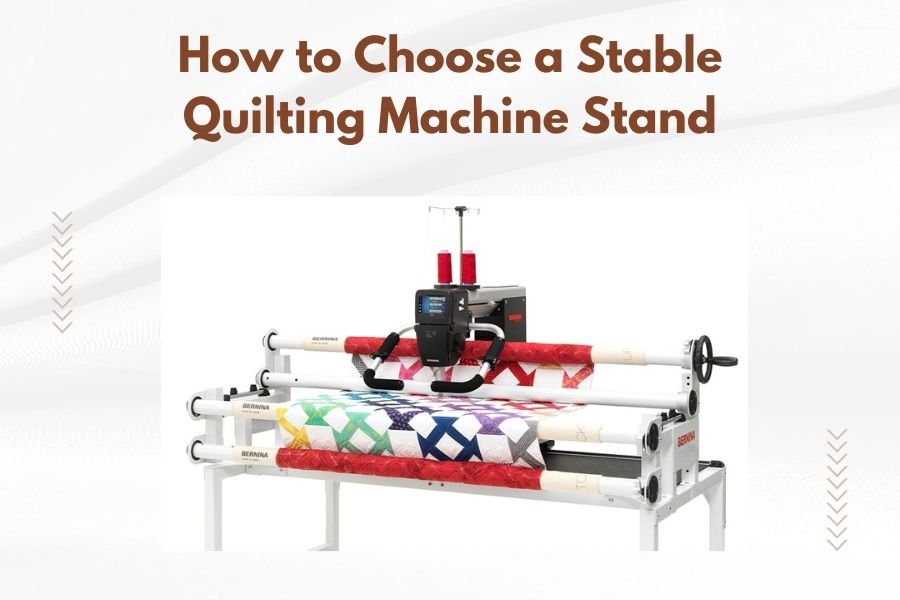
A stable quilting machine stand needs proper weight distribution, adjustable height settings, and sturdy construction materials like steel or solid wood to prevent vibration during quilting.
The best quilting machine stand should support at least 50-100 pounds, feature rubber feet for grip, and match your machine’s dimensions while offering storage space for your supplies.
What Makes a Quilting Machine Stand Stable
Your quilting machine moves fast. It vibrates. It needs a solid foundation that won’t wobble or shift during those long quilting sessions.
Think of your stand like the foundation of a house. Without proper support, everything above it suffers. Your stitches become uneven. Your fabric bunches up. You get frustrated.
Weight Distribution Basics
A good stand spreads your machine’s weight evenly across its base. This prevents tipping and reduces stress on any single point.
I found that most quality stands use a triangular or rectangular base design. These shapes naturally distribute weight better than narrow or top-heavy designs.
Material Strength Requirements
Your stand material determines everything else. Steel frames offer the best strength-to-weight ratio. Solid wood comes second. Particle board or thin metal? Skip those.
From what I read, steel stands handle vibration better than wood. But wood looks nicer in most sewing rooms. Pick based on your priorities.
Key Features to Look For
Height Adjustment Options
You’ll spend hours at your quilting machine. Wrong height means back pain, shoulder strain, and tired arms.
Adjustable stands let you set the perfect working height. Most range from 28 to 36 inches. Measure your current comfortable working height before shopping.
Manual vs Electric Adjustment
Manual adjustment uses pins, screws, or levers. It’s cheaper but takes effort to change. Electric adjustment costs more but lets you switch heights instantly.
For most quilters, manual adjustment works fine. You don’t change height that often once you find your sweet spot.
Surface Area and Machine Compatibility
Your machine needs enough space to sit securely. Too small and it hangs over the edges. Too big and you waste money and room space.
Measure your machine’s footprint first. Add 2-3 inches on each side for safety. That’s your minimum surface area requirement.
Universal vs Brand-Specific Stands
Universal stands fit most machines but might not be perfect for yours. Brand-specific stands fit like a glove but cost more and limit your future machine choices.
Many experts say universal stands work great for 90% of quilters. Save your money unless you have unusual requirements.
Weight Capacity Guidelines
Your stand must support more than just your machine weight. Add thread, fabric, your arms leaning on it, and any accessories.
Most quilting machines weigh 20-40 pounds. Add another 20-30 pounds for everything else. So look for stands rated at least 60-80 pounds capacity.
Safety Margin Calculations
I found that doubling your actual weight gives you a good safety margin. If your total weight is 50 pounds, get a 100-pound rated stand.
This extra capacity prevents stress damage and keeps your stand stable even during aggressive quilting sessions.
Stability Features That Matter
Rubber Feet and Floor Grip
Rubber feet prevent sliding and reduce vibration transfer to your floor. They’re small but make a huge difference in stability.
Some stands use adjustable feet that let you level the surface on uneven floors. This feature is worth paying extra for if your sewing room floor isn’t perfectly level.
Cross-Bracing and Frame Design
Cross-braces connect the legs and prevent wobbling. More braces usually mean better stability, but they might limit your leg room.
H-frame designs offer great stability with reasonable leg space. X-frame designs are even more stable but can be cramped for taller quilters.
Leg Positioning Options
Some stands let you adjust leg positions. This helps you find the most comfortable sitting or standing position while maintaining stability.
Storage and Organization Features
Built-in Storage Solutions
Quilting creates lots of supplies and scraps. A stand with storage keeps everything within reach without cluttering your work surface.
Look for shelves, drawers, or hanging space. But remember that adding storage items increases the total weight your stand must support.
Accessory Mounting Points
Thread holders, light mounts, and tool holders attach to many stands. Check if the stands you’re considering support the accessories you want.
Size and Space Considerations
Room Layout Planning
Your stand takes up floor space. Measure your sewing room and plan for walking space around all sides of your stand.
You need at least 3 feet behind your stand for your chair. Add 2 feet on each side for fabric handling. That’s a lot of space.
Folding vs Fixed Frame Options
Folding stands save space when not in use. But they’re usually less stable than fixed frames. Pick folding only if space is really tight.
Fixed frames stay set up and ready to use. You don’t lose time assembling and adjusting every quilting session.
Budget Considerations and Value
Quality quilting stands range from $150 to $800. The sweet spot for most quilters is $200-400 for a solid, adjustable stand with basic storage.
Expensive doesn’t always mean better. I came across many mid-priced stands that outperform premium models in stability and features.
Cost vs Longevity Analysis
A good stand lasts 10-20 years with normal use. That breaks down to $10-40 per year for most stands. Worth it for the comfort and stitch quality improvement.
Cheap stands might save money upfront but often need replacement within 2-3 years. Buy once, cry once applies here.
Common Mistakes to Avoid
Underestimating Space Requirements
Many quilters buy stands that fit their machine but forget about fabric handling space. Long quilts need room to drape without hitting the floor or bunching up.
Ignoring Assembly Complexity
Some stands require 2-3 hours of assembly with multiple tools. Others go together in 30 minutes with included tools. Check assembly requirements before buying.
Overlooking Future Needs
Your quilting skills will grow. You might upgrade to a larger machine later. Choose a stand that can grow with you rather than limiting your future options.
Conclusion
Choosing the right quilting machine stand transforms your quilting experience. Focus on stability first – proper weight capacity, sturdy materials, and anti-vibration features. Add adjustable height for comfort and adequate surface area for your machine and projects.
Remember that your stand is an investment in better quilting results and your physical comfort. Take time to measure your space, assess your needs, and choose quality materials that will serve you for years. A stable foundation makes every quilting project more enjoyable and produces better results.
What’s the ideal height for a quilting machine stand?
The ideal height puts your elbows at 90-degree angles when your hands rest on your machine. For most people, this means 30-34 inches from floor to machine surface, but adjustable stands let you find your perfect height.
Do I need a brand-specific stand or will universal work?
Universal stands work well for most quilters and cost less than brand-specific options. Choose brand-specific only if your machine has unusual mounting requirements or you want perfect fitment regardless of cost.
How much weight should my quilting stand support?
Your stand should support at least double your machine’s weight plus accessories. Most quilting machines weigh 20-40 pounds, so look for stands rated for 80-100 pounds minimum capacity.
Are folding quilting stands as stable as fixed frames?
Fixed frames are generally more stable than folding stands because they have fewer joints and connection points. Choose folding stands only if storage space is limited, and expect to sacrifice some stability for convenience.
What materials make the most stable quilting machine stands?
Steel frames provide the best stability and vibration control, followed by solid hardwood construction. Avoid particle board or thin metal stands as they don’t provide adequate support for quilting machine vibrations.