A bobbin tension gauge is a specialized tool that measures and adjusts the tension of your sewing machine’s bobbin thread, ensuring perfect stitch quality and preventing common threading problems.
You need a bobbin tension gauge because it eliminates guesswork when setting bobbin tension, saves time troubleshooting stitch issues, and helps you achieve professional-quality results on every quilting project.
What Exactly Is a Bobbin Tension Gauge?
Think of a bobbin tension gauge as your sewing machine’s best friend. This small but mighty tool takes the mystery out of bobbin tension settings.
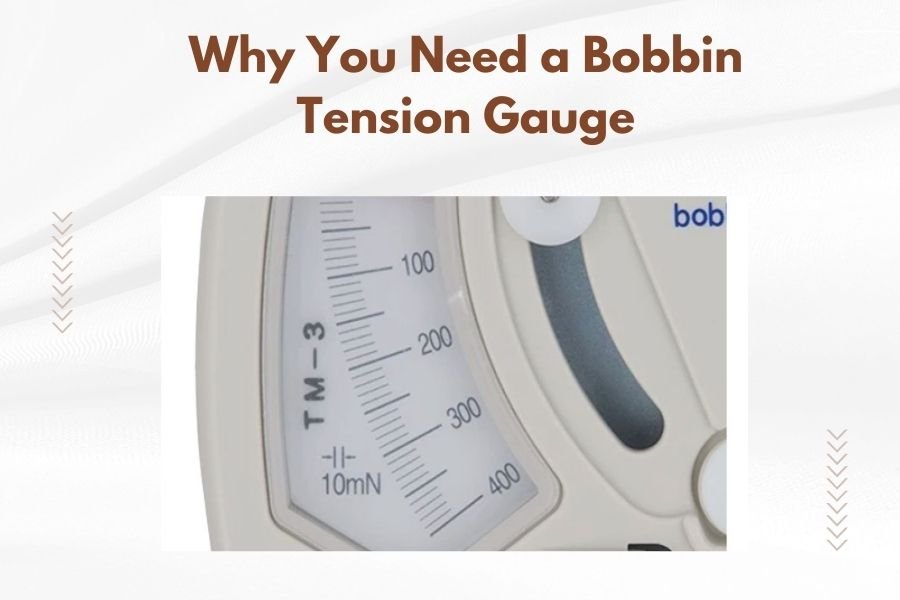
The gauge looks like a tiny spring-loaded device with measurement markings. You thread your bobbin thread through it, and it shows you exactly how much tension your bobbin case is applying.
Most gauges measure tension in grams or ounces. The readings help you match your bobbin tension to your top thread tension perfectly.
How Does a Bobbin Tension Gauge Work?
The process is surprisingly simple. You pull the bobbin thread through the gauge at a steady pace.
The gauge’s internal spring mechanism measures the resistance. The needle or digital display shows you the exact tension reading.
This reading tells you if your bobbin tension is too tight, too loose, or just right for your current project.
The Real Problems Bobbin Tension Issues Create
Poor bobbin tension wreaks havoc on your quilting projects. I found that most quilters struggle with these issues daily.
Your top thread might break constantly. Your bobbin thread could show on the quilt’s front surface. Sometimes your stitches look loose and unprofessional.
Thread Breakage Nightmares
When bobbin tension runs too high, it pulls your top thread down forcefully. This creates stress points where the thread snaps.
You’ll find yourself rethreading your machine every few minutes. Your quilting rhythm gets completely disrupted.
The frustration builds quickly. Many quilters give up on projects because of this exact problem.
Visible Bobbin Thread Issues
Low bobbin tension creates a different headache. Your bobbin thread appears on your quilt’s top surface.
This ruins the appearance of your careful color choices. Your beautiful quilt top suddenly has random thread colors showing through.
Professional quilters know this mistake instantly. It screams “beginner work” to anyone who understands quilting.
Stitch Quality Problems
Uneven bobbin tension creates inconsistent stitch formation. Some stitches look perfect while others appear loose or tight.
Your seam strength varies across the project. Weak areas might fail during use or washing.
Why Guessing Bobbin Tension Wastes Your Time
Most quilters adjust bobbin tension by trial and error. They make tiny screw adjustments and test on fabric scraps.
This process can take 30 minutes or more per adjustment session. Multiply that by every thread change or project switch.
I researched quilting forums and found that tension troubleshooting consumes hours of productive quilting time weekly.
The Hidden Costs of Poor Tension
Thread waste adds up quickly when you’re constantly rethreading and testing. Quality quilting thread isn’t cheap.
Fabric waste from test pieces also drains your budget. You might use up expensive fabric remnants just figuring out tension settings.
Project delays mean less finished work. If you sell quilts or take commissions, time equals money directly.
Frustration Factor
Nothing kills quilting joy faster than technical problems. When your machine fights you, creativity suffers.
Many quilters avoid certain techniques because they fear tension issues. This limits your artistic growth.
How a Bobbin Tension Gauge Solves These Problems
A tension gauge gives you precise, repeatable measurements. No more guessing games or endless test scraps.
You set your tension once and know it’s correct. The gauge reading tells you exactly what tension you’re working with.
When you switch projects or threads, you can return to proven settings instantly.
Time Savings Benefits
Tension adjustment becomes a 30-second task instead of a 30-minute ordeal. You spend more time actually quilting.
Thread changes happen smoothly. You know immediately if your new thread requires different tension settings.
Project setup time drops dramatically. You start quilting faster and finish projects sooner.
Consistency Improvements
Your stitch quality becomes predictable and professional. Every seam looks intentional and well-crafted.
You can replicate successful settings for future projects. Keep notes about which tensions work best with specific thread combinations.
Professional Results
Quilts with perfect tension show your skill level immediately. Other quilters notice the difference.
If you enter competitions or sell your work, tension quality matters tremendously. Judges and customers recognize superior craftsmanship.
Different Types of Bobbin Tension Gauges
Tension gauges come in several styles. Each type offers different advantages for various quilting needs.
| Gauge Type | Accuracy | Price Range | Best For |
|---|---|---|---|
| Spring-loaded analog | Good | $15-30 | Hobby quilters |
| Digital electronic | Excellent | $40-80 | Professional quilters |
| Mechanical dial | Very good | $25-45 | Frequent quilters |
Analog Spring Gauges
These basic models work well for most quilting projects. They’re affordable and durable.
The spring mechanism provides reliable readings. You’ll see immediate tension changes as you adjust your bobbin case.
Maintenance stays minimal. Most analog gauges last for decades with normal use.
Digital Electronic Gauges
Digital models offer the highest precision. They display exact tension measurements in grams or ounces.
Some models store previous readings for comparison. This feature helps when switching between different thread types.
Battery life typically runs 6-12 months with regular use. The investment pays off through improved accuracy.
Mechanical Dial Gauges
These combine analog reliability with better precision than spring models. The dial face shows clear measurement increments.
Many quilters prefer the visual feedback of a moving needle. It’s easier to see gradual tension changes.
When You Should Use Your Tension Gauge
Use your gauge every time you change thread types or weights. Different threads require different tension settings.
Check tension when starting new projects, especially if you’re switching fabric weights or batting types.
After cleaning or servicing your machine, verify that tension settings haven’t shifted.
Thread Change Situations
Switching from cotton to polyester thread often requires tension adjustments. The materials have different stretch properties.
Metallic and specialty threads almost always need modified tension. Your gauge prevents hours of trial-and-error testing.
Thread weight changes affect tension needs significantly. 40-weight thread behaves differently than 50-weight thread.
Project Type Considerations
Free-motion quilting often requires different tension than straight-line sewing. The gauge helps you switch settings confidently.
Appliqué work might need adjusted tension for clean edge stitching. You can fine-tune settings precisely.
Seasonal Maintenance
Humidity changes affect thread behavior. Your tension gauge helps you compensate for environmental factors.
After long storage periods, verify that your machine’s tension hasn’t drifted. Mechanical components can shift slightly over time.
Common Mistakes When Using Tension Gauges
Many quilters pull the thread too fast through their gauge. This gives inaccurate high readings.
Pull at a steady, moderate pace. Think of how fast you actually quilt – match that speed.
Don’t ignore your gauge’s calibration. Check it periodically against known good settings.
Reading Interpretation Errors
Perfect tension readings vary by thread type and project. Don’t assume one “magic number” works for everything.
Cotton thread typically requires different tension than polyester. Metallic threads need their own settings entirely.
Keep a log of successful tension combinations. This reference saves time on future projects.
Over-Adjustment Problems
Small tension changes create big results. Make tiny adjustments and test frequently.
Many quilters overcorrect tension problems. This creates new issues that require more adjustments.
Gauge Maintenance Neglect
Clean your gauge regularly with a soft brush. Thread lint affects accuracy over time.
Store your gauge in a protected case. Dropping it can damage the delicate internal mechanisms.
Expert Tips for Best Results
Test your tension settings on the actual fabrics you’ll use. Different fabric weights affect how tension translates to stitch quality.
Use the same thread brand for both top and bobbin when possible. Matching threads work together more predictably.
I found through research that professional quilters check tension every 2-3 hours during long quilting sessions. Subtle shifts can occur as machines warm up.
Documentation Strategies
Create a tension reference chart for your most-used thread combinations. Include gauge readings and visual stitch samples.
Photograph your best tension results. Visual references help when you’re trying to replicate success.
Note environmental factors like humidity and temperature. These affect thread behavior and tension needs.
Troubleshooting Advanced Issues
If your gauge readings seem correct but stitches still look wrong, check your needle size and type. Wrong needles cause tension-like problems.
Verify that your thread path follows your machine’s threading diagram exactly. Missed thread guides create false tension issues.
Multiple Machine Considerations
Different sewing machines require different tension settings for identical results. Your gauge helps you translate settings between machines.
Keep separate reference notes for each machine you use. This prevents confusion and saves setup time.
Cost-Benefit Analysis
A quality bobbin tension gauge costs $20-80 depending on features. Compare this to the thread and fabric you waste troubleshooting tension problems.
Most active quilters recoup the investment within 2-3 months through reduced waste and time savings.
Professional quilters often see immediate returns through faster project completion and higher quality results.
Long-Term Value
A good tension gauge lasts decades with proper care. The per-use cost becomes negligible over time.
Your quilting skills improve faster when technical problems don’t slow you down. Better skills lead to more enjoyable and valuable projects.
Conclusion
A bobbin tension gauge transforms quilting from a frustrating battle with your machine into smooth, predictable craftsmanship. You’ll spend less time troubleshooting and more time creating beautiful quilts.
The investment pays for itself quickly through reduced thread waste, faster project completion, and professional-quality results. Your quilting confidence will soar when you know your tension settings are perfect every time.
Don’t let poor bobbin tension hold back your quilting potential. Get a tension gauge and experience the difference that precise control makes in your finished projects.
What’s the difference between bobbin tension and top thread tension?
Bobbin tension controls the lower thread that feeds up from below, while top thread tension controls the upper thread from your spool. Both must be balanced for perfect stitches, but they’re adjusted independently on most machines.
Can I use a bobbin tension gauge on any sewing machine brand?
Yes, bobbin tension gauges are universal tools that work with any sewing machine brand or model. They measure thread tension directly, not machine-specific settings, so one gauge works for all your machines.
How often should I check my bobbin tension with the gauge?
Check bobbin tension whenever you change thread types, switch projects, or notice stitch quality problems. For long quilting sessions, check every few hours as machine warmth can slightly affect tension.
Do I need different tension settings for different batting types?
Yes, batting thickness and fiber content affect how your stitches form. Thicker batting may require slightly loosened tension, while thin batting works better with standard settings. Your gauge helps you find the right balance.
Will a tension gauge help with thread breakage problems?
Absolutely. Most thread breakage comes from incorrect tension balance between top and bobbin threads. A tension gauge eliminates guesswork and helps you achieve the perfect balance that prevents breakage.