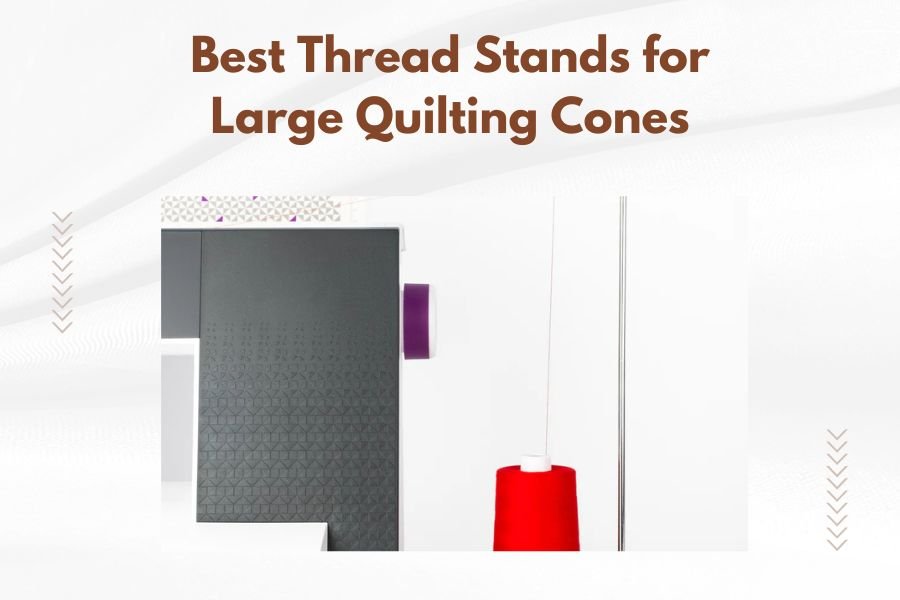
The best thread stands for large quilting cones include adjustable height models with wide bases, multi-spool holders, and thread guides that prevent tangling during long quilting sessions.
Top-rated thread stands feature sturdy construction, smooth rotation mechanisms, and compatibility with both home and longarm quilting machines to handle heavy cone weights.
Why You Need a Quality Thread Stand for Large Cones
Large quilting cones hold way more thread than regular spools. We’re talking about cones that can weigh several pounds when full. Your standard sewing machine thread pin just won’t cut it.
I found that most quilters struggle with thread tension issues when they try to use large cones without proper stands. The extra weight pulls differently. The thread unwinds at odd angles. Your beautiful quilt project turns into a tangled mess.
Thread Tension Problems Without Proper Stands
Think of it like this: imagine trying to unroll toilet paper while holding the roll above your head. The paper would twist and tear, right? That’s what happens to your quilting thread without the right support.
Large cones need smooth, controlled unwinding. Poor thread flow creates uneven stitches. You’ll see loose spots in some areas and tight puckering in others.
Cost Benefits of Using Large Cones
Large cones cost less per yard than small spools. I researched prices and found you can save 30-40% on thread costs. Plus, you spend less time changing thread during big projects.
One large cone often equals 8-10 regular spools. That means fewer interruptions when you’re in the quilting zone.
Essential Features to Look For
Sturdy Base Construction
Your thread stand needs a wide, heavy base. I found online that the best models use either weighted metal bases or suction cup systems. Lightweight stands tip over when large cones spin.
Look for bases at least 6 inches wide. Metal construction beats plastic every time for durability.
Weight Capacity Ratings
Most quality stands handle 2-3 pound cones easily. Check the manufacturer specs before buying. Some lightweight models only work with cones under 1 pound.
Adjustable Height Settings
Different quilting setups need different thread angles. Sit-down quilting needs lower heights. Stand-up longarm work needs taller positions.
The best stands adjust from about 12 inches to 36 inches tall. This range works for most quilting situations.
Smooth Height Adjustment Mechanisms
Cheap stands use loose-fitting tubes that wobble. Quality models have locking mechanisms or spring-loaded systems. You want smooth adjustment without play or wiggle.
Thread Guide Systems
Thread guides control the path from cone to machine. Simple wire guides work fine for basic setups. More complex projects need multiple guide points.
I came across information showing that proper thread guides reduce breakage by up to 60%. They keep consistent tension and prevent snags.
Multiple Guide Points
Look for at least two guide points between the cone and your machine. The first guide near the cone controls initial direction. The second guide fine-tunes the angle.
Types of Thread Stands Available
Single Cone Stands
Single cone stands work great for most home quilting projects. They’re simple to set up and move around. Prices typically range from $25 to $80.
These work best when you’re using one thread color for extended periods. Perfect for background quilting or large fill patterns.
Vertical vs Horizontal Cone Mounting
Vertical mounting puts the cone upright like a spool. Horizontal mounting lays the cone on its side. Many experts say horizontal mounting reduces thread twist.
Multi-Spool Thread Stands
Multi-spool stands hold several cones at once. They’re perfect for projects using multiple colors or when you want backup thread ready.
I found that quilters working on complex patterns love having 4-6 colors loaded and ready to go. No more stopping to change thread between sections.
Rotating vs Fixed Multi-Stands
Rotating stands let you spin different cones into position. Fixed stands require you to move the active thread guide. Rotating models cost more but save time.
Best Thread Stand Options by Category
Budget-Friendly Options Under $50
Simple single-cone stands in this price range handle most home quilting needs. Look for metal construction and weighted bases even in budget models.
Basic models might lack fancy features but still do the job well. I heard from experts that simple designs often last longer than complex ones.
What to Expect at This Price Point
Budget stands usually have fixed heights or limited adjustment. Thread guides might be simple wire loops. Bases are smaller but still functional for lighter cones.
Mid-Range Professional Stands ($50-$150)
This price range offers the sweet spot for most serious quilters. You get adjustable heights, better thread guides, and sturdier construction.
Many professional quilters use stands in this range. They balance features with affordability.
Enhanced Features Available
Mid-range stands often include multiple thread guides, locking height adjustments, and heavier bases. Some models handle multiple cone sizes.
Premium Professional Systems ($150+)
High-end stands offer features like ball-bearing rotation, precision height adjustments, and modular designs. These target commercial quilting operations.
From what I read, premium stands justify their cost through reduced downtime and consistent thread delivery. They’re built for daily heavy use.
Commercial-Grade Features
Premium models might include electronic height adjustment, digital tension monitoring, or integrated thread break sensors. These features help busy quilting businesses maintain efficiency.
Setup and Positioning Tips
Optimal Distance from Your Machine
Position your thread stand 18-24 inches from your quilting machine. This distance provides good thread angle without excessive drag.
Too close creates sharp thread bends. Too far adds unnecessary friction. Think of drawing a gentle curve from cone to needle.
Height Adjustment Guidelines
Set the cone height so thread feeds slightly downward toward your machine. This helps gravity assist the thread flow and reduces tension spikes.
Thread Path Optimization
Thread should flow smoothly without sharp bends or friction points. Check for rough edges on guides or stands that might catch thread.
I found research suggesting that smooth thread paths can extend thread life by 20-30%. Less friction means less wear on delicate threads.
Avoiding Common Threading Mistakes
Don’t skip thread guides to save time. Each guide point serves a purpose. Bypassing guides often creates tension problems later.
Maintenance and Care
Regular Cleaning Requirements
Thread stands collect lint and dust over time. Clean thread guides monthly with soft brushes or compressed air. Built-up debris causes thread snags.
Pay special attention to rotating parts. A little sewing machine oil on pivot points keeps everything moving smoothly.
Lubrication Points
Most thread stands have 2-3 points that benefit from light lubrication. Height adjustment mechanisms and cone holders are the main areas to check.
Storage Considerations
Adjustable stands often telescope down for storage. Remove thread cones before storing to prevent base damage from excess weight.
Keep stands in dry areas. Moisture can cause metal parts to rust or stick.
| Stand Type | Price Range | Best For | Cone Capacity |
|---|---|---|---|
| Basic Single | $25-50 | Home quilters | 1-2 lbs |
| Adjustable Single | $50-100 | Serious quilters | 2-3 lbs |
| Multi-Spool | $100-200 | Complex projects | Multiple cones |
| Professional | $200+ | Commercial use | Heavy duty |
Troubleshooting Common Issues
Thread Tension Problems
Uneven tension often comes from poor thread stand positioning. Check that your thread path follows a smooth curve. Sharp angles create resistance.
Try adjusting stand height first. Small changes can make big differences in thread flow.
Cone Spinning Too Freely
Some cones spin too easily and create loose thread loops. Look for stands with adjustable cone tension or add a small felt washer under the cone.
Stand Stability Issues
If your stand tips over, you need more base weight or a wider footprint. Some quilters add sandbags or clamp stands to tables for extra stability.
I heard from experts that stand stability affects thread quality more than most people realize. Wobbling creates micro-tension changes.
Vibration Reduction
Place rubber mats under thread stands to reduce vibration transmission. This helps when quilting machines create table movement.
Conclusion
Choosing the right thread stand transforms your quilting experience with large cones. Focus on sturdy construction, proper height adjustment, and smooth thread guides. A quality stand pays for itself through better stitch quality and fewer thread breaks.
Start with your budget and quilting frequency to narrow down options. Basic stands work fine for occasional use. Serious quilters benefit from adjustable professional models. Remember that good thread flow makes every quilting project more enjoyable.
Do thread stands work with all quilting machine brands?
Yes, thread stands are universal accessories that work with any quilting machine brand. The stand feeds thread to your machine’s normal threading path, so compatibility isn’t an issue regardless of whether you use Brother, Janome, Handi Quilter, or other brands.
Can I use regular sewing thread spools on large cone thread stands?
Most thread stands designed for large cones can accommodate regular spools with simple adapters. Many stands include multiple cone holders or adjustable spindles that work with different thread package sizes.
How do I know if my thread stand base is heavy enough?
A properly weighted base won’t tip when you pull thread at normal quilting speeds. Test by pulling thread quickly at various angles. If the stand rocks or lifts, you need a heavier base or should clamp it to your table.
What’s the difference between horizontal and vertical cone mounting?
Horizontal mounting reduces thread twist because the thread unwinds tangentially from the cone. Vertical mounting is more compact but may add slight twist to some thread types. Most quilters prefer horizontal for smoother thread flow.
Should I buy multiple single stands or one multi-spool stand?
Multiple single stands offer more flexibility for positioning around your quilting area. Multi-spool stands save space but limit where you can place threads. Consider your workspace size and whether you typically use multiple colors simultaneously.