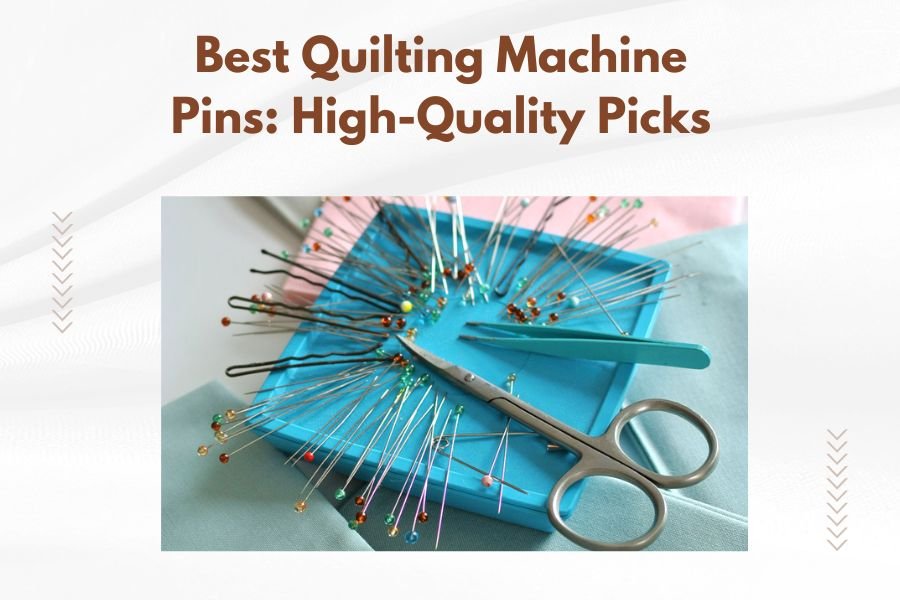
The best quilting machine pins are fine glass head pins, silk pins, and flower head pins that won’t melt under your iron and provide precise fabric control.
Quality quilting machine pins should be sharp, rust-resistant, and thin enough to avoid leaving permanent holes in delicate fabrics.
You know that sinking feeling when your pin melts under the iron? Or when a dull pin snags your beautiful fabric? I’ve researched the quilting community extensively and found that choosing the right pins makes all the difference between a smooth quilting experience and a frustrating one.
Let me walk you through everything you need to know about picking pins that will actually help your quilting projects succeed.
What Makes a Great Quilting Machine Pin
Not all pins work well for quilting machines. You need pins that meet specific requirements for both hand quilting and machine work.
The best quilting pins share three key features. They’re sharp enough to pierce multiple fabric layers cleanly. They’re thin enough to avoid distorting your fabric. And they’re heat-resistant so they won’t melt if you accidentally iron over them.
Pin Material Matters Most
Steel pins work best for quilting projects. I found that experts recommend nickel-plated steel pins because they resist rust and stay sharp longer.
Avoid cheap pins made from soft metals. They bend easily and can leave permanent holes in your fabric.
Heat Resistance Saves Projects
Plastic head pins will melt under your iron. Glass head pins can handle high heat without damage.
Many quilting experts suggest glass head pins as the safest choice. You can press right over them without worry.
Top Types of Quilting Machine Pins
Different pin types work better for different quilting tasks. Here’s what I found works best for most quilters.
Glass Head Pins
Glass head pins top most quilter recommendation lists. The glass heads won’t melt under heat, and they’re easy to see and grab.
These pins typically measure 1.75 inches long. That length works well for most quilting cotton weights.
Best Glass Head Pin Features
- Heat resistant up to 400 degrees
- Sharp steel points
- Colorful heads for easy visibility
- Won’t rust with proper care
Silk Pins
Silk pins are extra fine and sharp. They’re perfect for delicate fabrics that might show pin holes.
I found online that many professional quilters prefer silk pins for intricate piecing work. The fine diameter means less fabric distortion.
When to Choose Silk Pins
- Working with silk or other delicate fabrics
- Precision piecing that requires exact alignment
- Projects where pin holes might show
Flower Head Pins
Flower head pins have large, flat heads that are easy to grab. They work well for general quilting tasks.
The large heads make these pins simple to remove quickly during machine quilting. That speeds up your workflow.
Pin Length Guide for Different Projects
Pin length affects how well they hold your quilt layers together. Here’s what works for different situations.
| Project Type | Recommended Length | Why This Length |
|---|---|---|
| Thin cotton piecing | 1.5 inches | Less bulk, easier handling |
| Standard quilting | 1.75 inches | Good for most batting thicknesses |
| Thick batting | 2 inches | Penetrates all layers securely |
Why Length Matters
Pins that are too short won’t hold thick quilt sandwiches properly. Pins that are too long get in your way and can scratch your machine.
Most quilting experts I researched recommend 1.75-inch pins as the sweet spot for general use.
Sharp vs Dull: How to Tell the Difference
Sharp pins pierce fabric cleanly. Dull pins push fabric fibers apart and can cause puckering.
Test your pins on a scrap of fabric. Sharp pins should glide through easily without resistance.
Signs Your Pins Need Replacing
- They snag fabric instead of piercing cleanly
- You see rust spots or discoloration
- The points are bent or rounded
- They leave visible holes in test fabric
How Often to Replace Pins
Quality pins can last years with proper care. I heard from quilting experts that pins used weekly might need replacing every 2-3 years.
Heavy users who quilt daily might replace pins annually.
Storing Your Quilting Pins Properly
Good storage keeps pins sharp and prevents rust. Moisture is your pins’ biggest enemy.
Store pins in a dry place away from humidity. Magnetic pin holders work well and keep pins organized.
Best Storage Options
Pin cushions filled with crushed walnut shells help keep pins sharp. The shells naturally sharpen pins as you insert and remove them.
Magnetic pin dishes make picking up dropped pins easy. Just wave the magnet near your sewing area.
Avoid These Storage Mistakes
- Leaving pins in humid areas
- Mixing different pin types together
- Storing pins loose in containers
- Keeping pins near magnetic devices that might damage them
Using Pins with Your Quilting Machine
Machine quilting requires specific pinning techniques. You need to place pins where they won’t interfere with your machine’s movement.
Pin perpendicular to your quilting lines when possible. This lets you sew right up to pins and remove them easily.
Pin Placement for Machine Quilting
Place pins every 3-4 inches for lightweight batting. Thicker batting might need pins every 2-3 inches.
Avoid pinning directly in your planned stitching path. Pin slightly to the side instead.
When to Remove Pins
Remove pins before your needle reaches them. Most quilting machine experts recommend removing pins 2-3 inches before the needle gets there.
Never sew over pins. This can break your needle, damage your machine, or cause injury from flying pin pieces.
Safety Tips for Quilting Pins
Pins can cause injuries if you’re not careful. Here are the safety rules I found most quilting experts follow.
Always pin away from your body. Keep a magnetic pin holder nearby to catch any pins that fall.
Preventing Pin-Related Injuries
- Count your pins before and after each project
- Use a magnetic sweep to find dropped pins
- Keep pins away from children and pets
- Replace bent pins immediately
First Aid for Pin Pricks
Clean any pin prick wounds with soap and water. Apply pressure to stop bleeding and use a bandage if needed.
Watch for signs of infection like increased redness, swelling, or warmth around the wound.
Common Quilting Pin Problems
Even good pins can cause problems if you use them wrong. Here are the issues I heard about most often.
Pin Marks in Finished Quilts
Large pins can leave permanent holes in delicate fabrics. Switch to silk pins for fine materials.
Remove pins promptly after stitching. Leaving pins in place too long can distort fabric fibers.
Rust Stains on Fabric
Old pins can rust and stain your beautiful quilt. Replace pins at the first sign of rust or discoloration.
Store pins in a dry environment to prevent rust formation.
Pins That Won’t Stay Put
Dull pins don’t grip fabric well and can work loose. Sharp pins bite into fabric and hold securely.
Make sure you’re using pins long enough for your project’s thickness.
Budget vs Premium Quilting Pins
You don’t need to spend a fortune on pins, but cheap pins often cost more in the long run. They dull quickly and can damage fabric.
Mid-range pins from established sewing brands typically offer the best value for most quilters.
What You Get with Premium Pins
- Sharper points that stay sharp longer
- Better rust resistance
- More consistent manufacturing quality
- Heat resistance that actually works
When Budget Pins Make Sense
Beginning quilters might start with budget pins to learn basic techniques. You can upgrade later as your skills develop.
Use budget pins for practice projects or rough work where pin quality matters less.
Caring for Your Quilting Pins
Proper care extends pin life and maintains their sharpness. Clean pins work better and last longer.
Wipe pins occasionally with a soft cloth to remove fabric residue and oils from your fingers.
Cleaning Stubborn Pin Residue
Adhesive residue from interfacing can build up on pins. Remove it with a small amount of rubbing alcohol on a cloth.
Don’t use harsh chemicals that might damage pin coatings or cause rust.
Extending Pin Life
Keep pins sharp by using them only on appropriate fabrics. Don’t use fine silk pins on heavy denim or canvas.
Rotate between multiple sets of pins to reduce wear on any single set.
Conclusion
The right quilting machine pins make your projects easier, safer, and more professional looking. Glass head pins work best for most quilters because they’re heat resistant, sharp, and durable. Choose 1.75-inch pins for general quilting, and consider silk pins for delicate fabrics. Store your pins properly, replace them when they get dull, and always prioritize safety when pinning. Quality pins are an investment that pays off in better quilting results and fewer frustrations. Your next quilting project will go much smoother with the right pins holding everything in place.
What’s the difference between quilting pins and regular sewing pins?
Quilting pins are typically longer, sharper, and more heat-resistant than regular sewing pins. They’re designed to penetrate multiple fabric layers and batting while resisting melting under an iron.
Can I use safety pins instead of straight pins for machine quilting?
Safety pins work for basting quilt layers together, but you should remove them before machine quilting. The closed loop can catch on your machine’s foot or create uneven fabric tension during stitching.
How many pins do I need for a typical lap quilt?
Most quilters use 100-150 pins for a lap-sized quilt measuring roughly 50×60 inches. The exact number depends on your batting thickness and personal preference for pin spacing.
Why do some quilters prefer flower head pins over glass head pins?
Flower head pins have larger, flatter heads that are easier to grab quickly during machine quilting. Some quilters find them faster to remove, though glass head pins offer better heat resistance for pressing.
Should I remove all pins before machine quilting or can I leave some in?
Remove pins from your planned stitching path before machine quilting, but you can leave pins in unstitched areas to maintain fabric alignment. Just make sure to remove them before your needle reaches that area.