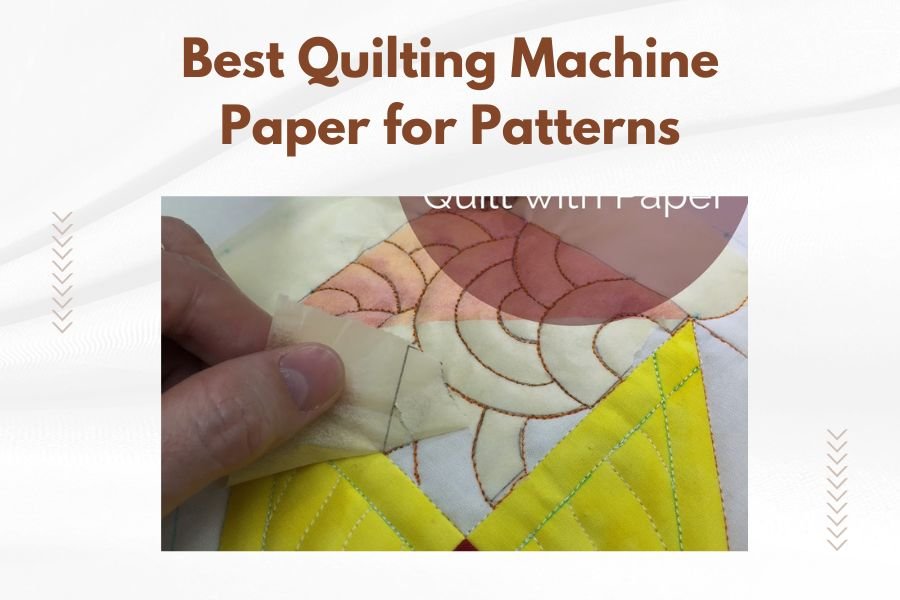
The best quilting machine paper for patterns is foundation paper or freezer paper, both designed specifically for precise piecing and easy removal without damaging fabric.
Foundation paper provides stability during sewing while freezer paper offers temporary adhesion, making both ideal choices for accurate quilting machine patterns.
What Makes Good Quilting Machine Paper
You need paper that won’t tear during stitching but removes cleanly afterward. The right paper acts like a temporary guide that keeps your fabric pieces aligned perfectly.
Good quilting paper should be thin enough for your needle to pierce easily. It also needs to be strong enough to handle multiple passes through your machine. Think of it as a temporary roadmap for your fabric pieces.
Weight and Thickness Matter
I found that 20-pound paper weight works best for most quilting machines. Anything heavier makes removal difficult. Anything lighter tears too easily during piecing.
Your machine’s needle should glide through without resistance. Heavy paper can dull needles quickly and strain your machine’s motor.
Tear-Away Properties
The paper should tear cleanly along your stitching lines. You don’t want bits of paper stuck in your seams or fabric fibers damaged during removal.
I researched several quilting forums and found that quilters prefer papers that tear with minimal effort. Your finished blocks should look clean and professional.
Foundation Paper: The Gold Standard
Foundation paper is specially made for quilting. It’s designed to provide stability during piecing while removing easily when you’re done.
This paper comes pre-printed with guidelines in some cases. You can also buy blank sheets to print your own patterns. The consistency makes it reliable for complex designs.
Benefits of Foundation Paper
- Consistent weight and texture
- Easy to see through for pattern placement
- Tears cleanly along stitching lines
- Works with all quilting machine types
- Doesn’t leave residue on fabric
When to Choose Foundation Paper
Use foundation paper for complex patterns with many small pieces. It’s perfect for paper piecing techniques where accuracy is critical.
I found online that most quilting teachers recommend foundation paper for beginners. It provides the most predictable results across different fabric types.
Freezer Paper: The Versatile Option
Freezer paper has a waxy coating on one side that temporarily sticks to fabric when heated. This creates a stable base for cutting and piecing accurate shapes.
You can find freezer paper in most grocery stores, making it accessible and affordable. The plastic coating side goes against your fabric, while the paper side faces up.
How Freezer Paper Works
Heat from your iron activates the waxy coating. This creates a temporary bond that holds your pattern in place during cutting and initial stitching.
The bond releases easily when you’re ready to remove the paper. You can often reuse the same piece several times before the coating wears out.
Best Uses for Freezer Paper
Freezer paper works great for appliqué work and template making. The temporary adhesion helps you cut precise shapes without shifting.
Many experts say freezer paper is ideal for curved seams and unusual shapes. The stability it provides makes difficult cuts much more manageable.
Vellum: The See-Through Choice
Vellum is a translucent paper that lets you see your fabric clearly underneath. This makes pattern alignment much easier, especially with directional prints.
I came across quilters who prefer vellum for tracing patterns. You can see exactly where each piece should go without guessing.
Advantages of Vellum
The transparency helps you position fabric pieces perfectly. You can see the grain line and pattern direction through the paper.
Vellum is strong enough for most quilting applications. It tears cleanly but won’t rip accidentally during normal handling.
Drawbacks to Consider
Vellum costs more than regular paper options. It’s also not as widely available as foundation paper or freezer paper.
Some quilting machines struggle with vellum’s texture. Test a small piece first to make sure your machine handles it well.
Regular Printer Paper: Budget-Friendly Alternative
Standard 20-pound copy paper can work for simple quilting patterns. It’s cheap and readily available in most homes and offices.
I found that many quilters start with printer paper before investing in specialty options. It’s fine for learning basic techniques and simple blocks.
Limitations of Printer Paper
Regular paper tears more easily than purpose-made quilting papers. It can also leave more residue when you remove it from seams.
The ink from home printers sometimes transfers to light fabrics. Always test on scraps first if you’re printing patterns on regular paper.
When Printer Paper Works
Use printer paper for practice blocks and simple geometric patterns. It’s perfect when you’re learning new techniques and don’t mind imperfect results.
Save your specialty papers for important projects. Regular paper helps you build skills without the pressure of using expensive materials.
Tissue Paper: The Delicate Option
Tissue paper removes very easily but provides minimal stability during piecing. Some quilters like it for lightweight fabrics or delicate work.
You’ll find tissue paper tears almost too easily. It’s best for experienced quilters who need minimal paper interference.
Specialty Quilting Tissues
Some companies make quilting-specific tissue papers. These are stronger than gift-wrapping tissue but still remove easily.
I researched and found these work well for silk or very fine cotton fabrics. The minimal weight doesn’t distort delicate materials.
Paper Selection by Project Type
Different quilting projects need different paper types. Your choice should match the complexity and fabric weight of your specific project.
Complex Piecing Projects
Foundation paper works best for intricate designs with many small pieces. The stability helps keep everything aligned through multiple seaming steps.
Paper piecing blocks like Mariner’s Compass or New York Beauty need the support that only quality foundation paper provides.
Appliqué Work
Freezer paper is your best friend for appliqué projects. The temporary adhesion holds shapes steady while you cut and position them.
You can trace templates onto the paper side and cut perfect shapes every time. The waxy coating prevents fraying during handling.
Simple Block Construction
Regular printer paper or lightweight foundation paper works fine for basic blocks. You don’t need premium materials for straightforward piecing.
Save money on simple projects and invest in better paper for complex work. This approach helps stretch your quilting budget further.
Printing Patterns on Paper
You can print quilting patterns on most paper types. The key is using the right printer settings and ink type for your chosen paper.
I found online that laser printers work better than inkjet for most quilting papers. The toner doesn’t bleed or transfer as easily to fabric.
Printer Settings for Quilting Paper
Use draft or economy mode to prevent heavy ink coverage. Too much ink can transfer to your fabric or make paper removal difficult.
Set your printer to handle thick paper if you’re using foundation paper. This prevents jams and ensures clean printing.
Pattern Scaling Considerations
Always print a test square first to verify your pattern size. Printer settings can change dimensions unexpectedly.
Measure critical dimensions with a ruler before cutting fabric. Small printing errors can throw off your entire block assembly.
Paper Removal Techniques
Removing paper cleanly is just as important as choosing the right type. Poor removal can damage your finished blocks or leave messy residue.
Basic Removal Method
Start removing paper from the center of each section. Work toward the edges, tearing along the stitching lines.
Remove large pieces first, then pick out smaller bits with tweezers. Take your time to avoid pulling on the fabric or stitches.
Stubborn Paper Solutions
Spray stubborn paper with water to soften it. Let it sit for a few minutes before attempting removal again.
Needle-nose tweezers help grab small pieces stuck in seam intersections. Work gently to avoid distorting your block shape.
Storage and Handling Tips
Store your quilting papers flat in a dry location. Moisture can cause papers to curl or stick together unexpectedly.
Keep different paper types separated and labeled. You don’t want to grab the wrong paper type in the middle of a project.
Preventing Waste
Save large clean pieces for future small projects. Even scraps can work for practice blocks or sample pieces.
Cut patterns efficiently to minimize waste. Plan your layout before cutting to get the most from each sheet.
Cost Considerations
Specialty quilting papers cost more upfront but often provide better results. Consider the value of your time and fabric investment.
I heard from experts that using cheap paper on expensive fabric rarely saves money. Failed blocks cost more than quality paper.
Budget-Friendly Strategies
Buy quilting paper in bulk when it’s on sale. Most papers store well for years if kept dry and flat.
Use premium papers for display quilts and regular paper for practice work. This balances quality with cost effectively.
Conclusion
The best quilting machine paper for patterns depends on your specific project needs and skill level. Foundation paper offers the most reliable results for complex work, while freezer paper excels at appliqué and template making. Regular printer paper works fine for simple projects and practice blocks.
Start with foundation paper if you’re unsure which to choose. It handles most quilting applications well and removes cleanly when you’re finished. As you gain experience, you can experiment with other types to find what works best for your quilting style and projects.
What’s the difference between foundation paper and freezer paper for quilting?
Foundation paper provides stability through thickness and strength, while freezer paper uses a waxy coating that temporarily adheres to fabric when heated. Foundation paper works better for complex piecing, while freezer paper excels at appliqué and template work.
Can I reuse quilting machine paper?
Freezer paper can often be reused several times before the waxy coating wears out. Foundation paper and regular papers are typically single-use only since removing them requires tearing along stitching lines.
Will printer ink transfer from pattern paper to my fabric?
Laser printer toner rarely transfers, but inkjet ink can bleed onto light-colored fabrics. Always test printed patterns on fabric scraps first, and consider using draft print settings to minimize ink coverage.
How do I remove stubborn paper pieces from my quilting seams?
Lightly mist stubborn paper with water and let it soften for a few minutes. Use needle-nose tweezers to gently remove small pieces from seam intersections without pulling on the stitches or distorting the block.
What paper weight works best for quilting machine patterns?
Twenty-pound paper weight provides the ideal balance of stability and easy removal for most quilting applications. Heavier papers are harder to remove, while lighter weights tear too easily during piecing.