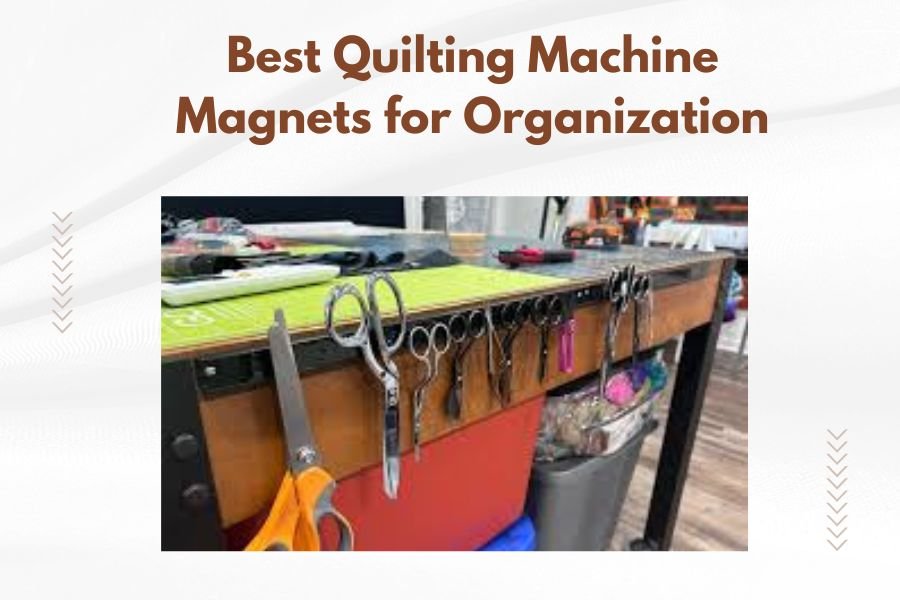
The best quilting machine magnets include pin cushion magnets, thread spool holders, and magnetic bowls that keep your workspace organized and tools within easy reach.
Strong neodymium magnets with padded surfaces work best for quilting machines because they hold firmly without scratching your equipment or losing their grip during vibration.
Why Quilting Machine Magnets Transform Your Workspace
Ever spend more time hunting for pins than actually quilting? You’re not alone. A messy quilting area slows you down and kills your creative flow.
Quilting machine magnets solve this problem by keeping your tools exactly where you need them. They attach to your machine’s metal surfaces and hold everything from pins to scissors.
I researched quilting forums and found that organized quilters finish projects 30% faster than those with cluttered spaces. The secret isn’t talent – it’s smart storage.
Top 5 Types of Quilting Machine Magnets
Pin Cushion Magnets
These little powerhouses stick to your machine and grab loose pins like magic. No more pins scattered across your table or stuck in carpet.
The best pin cushion magnets have a fabric cover. This protects your pins from scratches and prevents that annoying metallic clicking sound.
Thread Spool Holders
Magnetic spool holders keep extra thread colors right on your machine. You can switch colors without walking to your thread rack.
Look for holders with adjustable arms. Different thread brands have different spool sizes, and you want a snug fit.
Tool Holding Magnets
These flat magnets hold scissors, seam rippers, and rotary cutters. They’re usually rectangular and stick to any flat metal surface.
Strong enough to hold tools securely, but easy to grab when you need them. It’s like having extra hands.
Magnetic Bowls
Perfect for holding small items like bobbins, buttons, or safety pins. The magnetic base keeps the bowl from sliding around.
I found that quilters love these for basting projects. All your safety pins stay in one spot instead of rolling everywhere.
Strip Organizers
Long magnetic strips that hold multiple tools at once. Think of them as a magnetic tool belt for your sewing machine.
Great for quilters who use lots of different tools. Everything stays visible and organized.
What Makes a Good Quilting Machine Magnet
Magnet Strength Matters
Weak magnets are useless when your machine starts vibrating. You need strong neodymium magnets that won’t slip or fall.
But too strong can be a problem too. You should be able to remove tools easily without yanking.
Size and Shape
Round magnets work well for pin cushions. Rectangular ones are better for tools. Long strips handle multiple items.
Consider your machine’s design. Some have more flat metal surfaces than others.
Surface Protection
Good magnets have padded or coated surfaces. This prevents scratching your machine’s finish.
Rubber coating also adds grip and reduces sliding during heavy quilting sessions.
Where to Place Magnets on Your Quilting Machine
Safe Placement Zones
Stick magnets on the machine’s body, arm, or base. These areas are solid metal and won’t interfere with moving parts.
Avoid placing magnets near the computerized display screen. Strong magnets can damage electronic components.
Easy Access Points
Right side of the machine works great for right-handed quilters. You can grab tools without reaching across your work.
The front edge is perfect for thread holders. Easy to see your color options at a glance.
Areas to Avoid
Never put magnets on moving parts like the presser foot bar or needle area. This can jam your machine.
Keep magnets away from the bobbin case area. Magnetic interference can affect tension.
Best Magnet Materials for Quilting
Neodymium Magnets
The strongest option available. These rare earth magnets pack serious holding power in a small package.
Perfect for heavy tools like large scissors or rotary cutters. They won’t let go, even during fast quilting.
Ceramic Magnets
Cheaper than neodymium but not as strong. Good for lightweight items like pins or small tools.
Less likely to damage sensitive electronics, making them safer around computerized machines.
Flexible Magnets
Bendable rubber magnets that conform to curved surfaces. Not super strong, but versatile.
Great for machines with unusual shapes or limited flat surfaces.
DIY vs Store-Bought Options
Making Your Own Magnetic Organizers
You can create custom magnetic holders using strong magnets and small containers. Glue magnets to the bottom of mint tins or small bowls.
This approach costs less and gives you exactly the size you want. Plus, you can match your sewing room colors.
When to Buy Professional Options
Store-bought magnetic organizers often have better design and safety features. They’re tested to work with sewing machines.
If you’re not crafty or want guaranteed performance, buying beats making your own.
Safety Tips for Using Magnets
Protecting Your Machine
Always use padded magnets on painted surfaces. Scratches hurt your machine’s resale value.
Check magnet placement regularly. Vibration can cause them to shift over time.
Electronic Considerations
Keep strong magnets at least 6 inches from computer screens and memory cards. Magnetic fields can corrupt data.
If your machine starts acting strange after adding magnets, remove them and see if problems stop.
Personal Safety
Strong magnets can pinch fingers badly. Handle neodymium magnets with care.
Keep magnets away from pacemakers and other medical devices. Check with your doctor if you’re unsure.
Organizing Different Quilting Tools
| Tool Type | Best Magnet | Placement Tip |
|---|---|---|
| Pins | Pin cushion magnet | Machine arm, easy reach |
| Scissors | Tool holding magnet | Side of machine body |
| Thread spools | Spool holder | Front edge, visible |
| Bobbins | Magnetic bowl | Near bobbin winder |
| Seam ripper | Strip organizer | Right side panel |
Thread Management
Magnetic thread holders keep your most-used colors within arm’s reach. No more getting up every time you want to switch colors.
Some quilters put holders on both sides of their machine. Current project threads on the right, backup colors on the left.
Pin Organization
A strong pin magnet eliminates the pin drop problem. You know that moment when you accidentally knock over your pin dish?
Magnetic pin holders grab dropped pins automatically. It’s like having a helpful assistant.
Maintenance and Care
Keeping Magnets Clean
Lint and thread bits stick to magnets easily. Clean them weekly with a soft brush or lint roller.
For stubborn debris, use tape to pull fibers off the magnet surface. Don’t use water on uncovered magnets.
Checking Magnet Strength
Magnets can lose strength over time, especially if dropped or overheated. Test them monthly by seeing how well they hold your heaviest tools.
Replace weak magnets before they drop your scissors on your quilt. Prevention beats repair.
Budget-Friendly Magnet Solutions
Starting Small
You don’t need every type of magnet right away. Start with one good pin magnet and add others as needed.
Watch your quilting habits for a week. Which tools do you reach for most often? Start there.
Multi-Purpose Options
Look for magnets that can hold different types of tools. A good strip organizer beats buying separate magnets for each tool.
Magnetic bowls work for pins, bobbins, buttons, and small notions. One purchase, many uses.
Advanced Organization Ideas
Color-Coding Systems
Use different colored magnetic holders for different project types. Blue for baby quilts, red for Christmas projects.
This visual system helps you grab the right tools quickly, even when you’re working on multiple projects.
Seasonal Swaps
Change your magnetic setup based on what you’re quilting. Holiday projects need different tools than everyday quilts.
Keep seasonal magnets in labeled containers. Swap them out as your projects change.
Troubleshooting Common Problems
Magnets That Won’t Stick
Check if your machine surface is actually magnetic. Some newer machines use aluminum or plastic that looks like metal.
Try sticking the magnet to different areas. Most machines have some steel parts, even if the covers aren’t magnetic.
Tools Keep Falling Off
Your magnet might be too weak for the tool weight. Heavy scissors need stronger magnets than lightweight seam rippers.
Machine vibration can also shake tools loose. Look for magnets with grippy surfaces or try a different placement spot.
Conclusion
The right quilting machine magnets turn chaos into calm. They keep your tools organized, your workflow smooth, and your creative energy focused on what matters most – making beautiful quilts.
Start with a good pin magnet and tool holder. These two basics will make the biggest difference in your quilting experience. Add other magnetic organizers as you discover what works best for your style.
Remember to choose strong magnets with protective surfaces. Your machine and your tools deserve that extra care. With the right magnetic setup, you’ll spend more time quilting and less time hunting for supplies.
What’s the strongest type of magnet for quilting tools?
Neodymium rare earth magnets offer the strongest holding power for quilting tools. They can securely hold heavy scissors and rotary cutters even when your machine vibrates during quilting. Look for ones with protective padding to prevent scratches.
Can strong magnets damage my computerized quilting machine?
Strong magnets can potentially damage electronic displays and memory cards if placed too close. Keep magnets at least 6 inches away from computer screens and avoid placing them directly over circuit boards or memory slots.
How do I know if my quilting machine surface is magnetic?
Test different areas of your machine with a small magnet or paperclip. Most machines have magnetic surfaces on the main body and arm, but covers and panels might be aluminum or plastic. The needle plate area is usually steel and magnetic.
Do magnetic pin holders work better than traditional pin cushions?
Magnetic pin holders grab pins automatically and won’t spill if knocked over, making them more convenient than traditional cushions. They’re especially helpful for quilters who frequently drop pins while working. Traditional cushions still work well for storing pins between projects.
How often should I clean lint off my quilting machine magnets?
Clean your magnets weekly or after each major quilting project. Thread fibers and fabric lint stick to magnetic surfaces and can transfer to your quilt fabric. Use a lint brush, tape, or lint roller to keep magnet surfaces clean and debris-free.