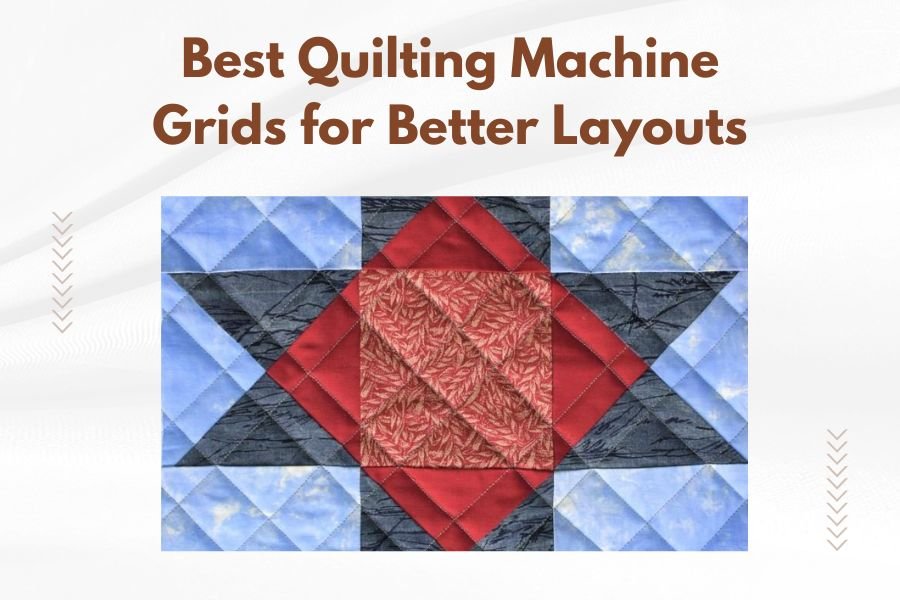
The best quilting machine grids for better layouts are magnetic rulers, acrylic template sets, and laser-guided systems that help you maintain straight lines and precise spacing.
Professional quilters rely on grid systems to create consistent patterns, reduce measuring time, and achieve salon-quality results at home.
What Are Quilting Machine Grids and Why Do You Need Them?
Think of quilting machine grids as your personal GPS for fabric navigation. They guide your stitching path and keep everything aligned perfectly.
Without proper grids, you might end up with wonky lines that make your beautiful quilt look homemade in the worst way. Nobody wants that after spending hours on a project.
Types of Grid Systems Available
You’ll find three main categories when shopping for quilting grids. Each serves different skill levels and project types.
Magnetic grids stick right to your machine’s bed. Acrylic templates offer see-through guidance. Laser systems project lines directly onto your fabric.
Magnetic Quilting Rulers: Your First Line of Defense
Magnetic rulers snap onto your machine and stay put while you work. They’re perfect for straight-line quilting and basic geometric patterns.
I found that most quilters start with magnetic options because they’re affordable and simple to use. You just position them where you need straight lines.
Best Magnetic Grid Options
The quarter-inch magnetic guide works great for basic quilting. Half-inch and one-inch versions handle larger spacing needs.
Some magnetic sets include curved pieces too. These help with scalloped edges and gentle swooping patterns.
Pros of Magnetic Systems
- Easy to position and reposition
- No special setup required
- Works with most machine brands
- Budget-friendly starting point
Cons to Consider
- Limited to machines with magnetic beds
- Can shift during intensive quilting
- Only provides straight-line guidance
Acrylic Template Grids for Advanced Layouts
Acrylic templates give you see-through guidance with more pattern variety. You can trace around them or use them as spacing guides.
From what I read, experienced quilters prefer acrylics because they offer more creative freedom than basic magnetic strips.
Popular Acrylic Grid Patterns
Square grids help with crosshatch patterns. Diamond templates create beautiful diagonal layouts. Circle guides make perfect curved quilting possible.
Feather templates add elegant flowing designs. Echo quilting guides help you create those professional ripple effects.
Choosing the Right Acrylic Size
Start with 6-inch square templates for most projects. Larger 12-inch versions work better for king-size quilts.
Smaller 3-inch templates shine for detailed work and miniature quilts. Match your template size to your project scale.
Laser-Guided Grid Systems: The High-Tech Solution
Laser systems project grid lines directly onto your quilt top. You follow the light instead of physical guides.
Research shows that laser guidance can improve quilting speed by up to 30% once you get comfortable with the system.
How Laser Grids Work
A small laser unit attaches to your quilting machine. It projects crosshairs or grid patterns onto your fabric as you work.
You can adjust the spacing and angle of projected lines. Some systems offer multiple patterns that you switch between easily.
Benefits of Laser Systems
- No physical barriers to work around
- Adjustable spacing on the fly
- Works with any fabric color
- Professional-level precision
Drawbacks to Know About
- Higher upfront investment
- Requires power source
- Learning curve for beginners
- Not compatible with all machines
Comparing Grid System Performance
| Grid Type | Best For | Price Range | Skill Level |
|---|---|---|---|
| Magnetic | Straight lines | $20-60 | Beginner |
| Acrylic | Pattern variety | $40-150 | Intermediate |
| Laser | Precision work | $200-500 | Advanced |
Setting Up Your Grid System Properly
Proper setup makes the difference between helpful guidance and frustrating obstacles. Take time to get it right from the start.
Clean your machine bed before installing any magnetic components. Dust and lint interfere with strong magnetic connections.
Magnetic Grid Installation
Position magnetic rulers parallel to your needle. Double-check alignment with a quilting square before starting your project.
Test the magnetic hold by gently pushing the ruler. It should stay firmly in place during normal quilting motion.
Acrylic Template Positioning
Place templates on your quilt top, not the machine bed. Use painter’s tape to secure them if needed.
Mark key reference points with washable fabric markers. This helps you reposition templates consistently.
Laser System Calibration
Follow manufacturer instructions for mounting and power connections. Most systems include step-by-step setup videos.
Test laser alignment on practice fabric first. Adjust height and angle until lines project clearly and accurately.
Grid Spacing Guidelines for Different Projects
Your quilting density affects both appearance and durability. Too little quilting makes loose, floppy results. Too much creates stiff, over-worked fabric.
I came across guidelines from quilting associations that recommend specific spacing for different batting types.
Cotton Batting Spacing
Cotton batting needs quilting lines every 3-4 inches maximum. Closer spacing creates more texture and visual interest.
For wall hangings, you can space lines up to 6 inches apart. Bed quilts need tighter spacing for durability.
Polyester Batting Requirements
Polyester batting handles wider spacing better than cotton. You can go 6-8 inches between quilting lines safely.
High-loft polyester needs closer spacing to prevent shifting. Check your batting package for specific recommendations.
Wool and Specialty Batting
Wool batting offers the most flexibility for spacing. Some wool batts work fine with 10-inch spacing.
Bamboo and cotton blends fall somewhere between pure cotton and polyester for spacing requirements.
Troubleshooting Common Grid Problems
Even the best grid systems can cause headaches if you hit snags. Here’s how to solve the most common issues.
Magnetic Rulers Keep Shifting
Weak magnets or dirty machine beds cause shifting problems. Clean the surface thoroughly and check for worn magnetic strips.
Some older machines have non-magnetic beds that won’t hold rulers securely. Consider upgrading to acrylic templates instead.
Acrylic Templates Scratch Easily
Store acrylic pieces in protective sleeves when not in use. Small scratches can snag thread and create tension problems.
Light scratches polish out with plastic cleaner. Deep gouges mean it’s time for replacement templates.
Laser Lines Too Dim or Too Bright
Adjust laser intensity based on your fabric color and room lighting. Dark fabrics need brighter settings.
Bright overhead lights can wash out laser projections. Try dimming room lights or repositioning your work area.
Maintenance Tips for Long-Lasting Grids
Taking care of your grid systems saves money and keeps them working accurately for years.
Cleaning Magnetic Components
Wipe magnetic rulers with damp cloth after each use. Thread bits and fabric fibers reduce magnetic strength over time.
Never use harsh solvents on magnetic strips. They can damage the magnetic coating permanently.
Protecting Acrylic Pieces
Stack acrylic templates with tissue paper between layers. This prevents scratching during storage.
Avoid extreme temperature changes that can make acrylic brittle and crack-prone.
Budget-Friendly Grid Solutions
You don’t need expensive equipment to get started with grid-guided quilting. Several DIY options work surprisingly well.
Many quilters create temporary grids using painter’s tape directly on fabric. It peels off cleanly without residue.
DIY Magnetic Alternatives
Magnetic strips from craft stores work as budget rulers. Cut them to custom lengths for your specific needs.
Office supply magnetic strips cost less than quilting-specific versions but work just as well for basic guidance.
Homemade Acrylic Templates
Clear plastic sheets from art supply stores make decent template material. Trace patterns with permanent markers.
Old CDs work as circle templates for curved quilting. Their size works perfectly for many decorative patterns.
Conclusion
The right quilting machine grid transforms your projects from good to absolutely stunning. Whether you choose magnetic, acrylic, or laser systems, consistent guidance makes all the difference in your finished results.
Start with basic magnetic rulers if you’re new to grid-guided quilting. Upgrade to acrylic templates when you want more pattern variety. Consider laser systems when precision becomes your top priority.
Remember that the best grid system is the one you’ll actually use consistently. Choose based on your current skill level, typical projects, and budget constraints. Your quilts will thank you for the investment in better layout tools.
What’s the difference between quilting grids and quilting rulers?
Quilting grids provide overall layout guidance across large areas, while quilting rulers help with specific measurements and cutting tasks. Grids focus on stitching patterns, rulers focus on fabric preparation and precision cutting.
Can I use multiple grid systems together on the same project?
Yes, many quilters combine systems for complex projects. You might use magnetic guides for borders and acrylic templates for center medallions. Just make sure different systems don’t interfere with each other physically.
How do I know which grid spacing works best for my batting?
Check your batting package for manufacturer recommendations first. Cotton typically needs 3-4 inch spacing, polyester handles 6-8 inches, and wool can go up to 10 inches between quilting lines safely.
Are laser grid systems safe for my eyes during long quilting sessions?
Quality laser quilting systems use low-power lasers that are generally safe for normal use. Take regular breaks and avoid staring directly into the laser beam. If you experience eye strain, adjust the intensity or take more frequent breaks.
What should I do if my grid system doesn’t fit my quilting machine?
Check with your machine manufacturer for compatible grid accessories first. Universal magnetic systems work with most machines that have steel beds. For non-magnetic machines, focus on acrylic templates or laser systems that don’t require magnetic attachment.