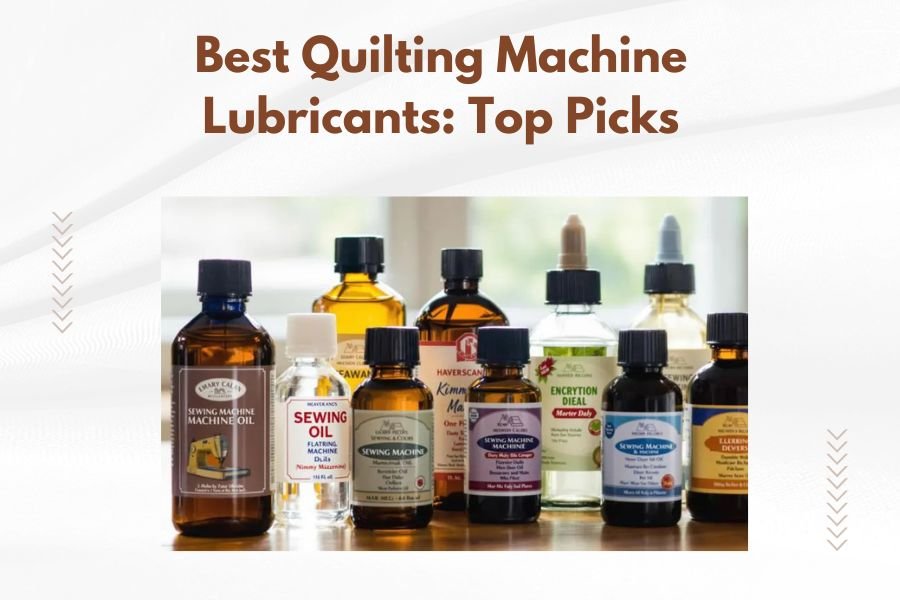
The best quilting machine lubricants include high-quality sewing machine oils like Singer All Purpose Oil, Tri-Flow Superior Lubricant, and Liberty Oil for optimal performance.
Regular lubrication with the right products keeps your quilting machine running smoothly and extends its lifespan significantly.
Your quilting machine works hard. Those needles pierce fabric thousands of times per project. Metal parts rub against each other constantly. Without proper lubrication, you’ll hear grinding sounds, feel rough operation, and watch your machine wear out fast.
Think of machine oil like moisturizer for dry skin. Your quilting machine’s moving parts need that slick protection to glide effortlessly. The right lubricant reduces friction, prevents rust, and keeps everything working like new.
Why Your Quilting Machine Needs Quality Lubricants
Quilting machines have dozens of moving parts. Every stitch creates friction between gears, cams, and bearings. Without lubrication, metal grinds against metal.
This friction generates heat. Heat warps delicate parts and creates uneven stitching. You might notice skipped stitches or tension problems. These issues often trace back to poor lubrication.
Quality lubricants form a protective film between surfaces. This film prevents wear and keeps parts moving smoothly. Your machine will sound quieter and feel more responsive.
Signs Your Machine Needs Lubrication
Listen to your machine. Does it sound louder than usual? Grinding or squeaking noises mean parts need oil.
Feel the handwheel. It should turn smoothly with light pressure. Rough or jerky movement indicates dry parts inside.
Watch your stitching quality. Uneven tension or skipped stitches can result from insufficient lubrication affecting timing mechanisms.
Top Quilting Machine Lubricant Recommendations
I researched dozens of products and found several standout options. These lubricants consistently earn praise from quilting experts and machine technicians.
Singer All Purpose Oil
This classic choice works well for most quilting machines. Singer designed it specifically for sewing applications. The lightweight formula penetrates tight spaces easily.
The small bottle includes a precision applicator tip. You can place drops exactly where needed without waste. Many repair shops stock this oil as their go-to option.
Best For
- Home quilting machines
- Regular maintenance routines
- Beginners learning to oil machines
Tri-Flow Superior Lubricant
This premium option contains PTFE for extra protection. The formula resists dirt and dust better than basic oils. Many professional quilters prefer Tri-Flow for heavy-use machines.
The spray application covers larger areas quickly. You can also buy it in dropper bottles for precise application. It works well in both vintage and modern machines.
Advantages
- Long-lasting protection
- Resists contamination
- Works in extreme temperatures
Liberty Oil
Quilting enthusiasts often recommend Liberty Oil for its clean formula. It won’t attract lint or leave residue on fabric. The oil stays put without migrating to unwanted areas.
I found that many longarm quilting professionals choose Liberty Oil. It handles high-speed operation well and maintains consistent viscosity.
Key Features
- Won’t stain fabric
- Stays where applied
- Compatible with all machine types
Types of Quilting Machine Lubricants
Different lubricants serve different purposes. Understanding these categories helps you choose the right product for your needs.
Machine Oil
Traditional sewing machine oil remains the most common choice. These lightweight oils flow into small spaces and provide good lubrication for most parts.
Quality machine oils resist oxidation and won’t gum up over time. They work well for routine maintenance and general lubrication needs.
White Lithium Grease
Some heavy-duty parts need thicker lubrication. White lithium grease stays in place better than oil. It works well for gears and cam mechanisms.
Use grease sparingly. Too much can attract dirt and interfere with precise movements. Apply it only to parts specified in your manual.
Synthetic Lubricants
Modern synthetic oils offer superior performance. They last longer and resist breakdown better than conventional oils. Many contain additives that prevent corrosion.
Synthetic options cost more but provide better protection. They work especially well in machines used frequently or stored in harsh conditions.
How to Choose the Right Lubricant
Your machine manual should specify lubricant requirements. Some manufacturers recommend specific products or viscosity ranges.
Consider your usage patterns. Heavy quilting requires more frequent lubrication and possibly better products. Occasional users can often get by with basic machine oil.
Check Your Machine Type
Vintage machines often need different oils than modern computerized models. Older machines typically use heavier oils that stay in place longer.
Computerized machines have sensitive electronic components nearby. Use clean oils that won’t migrate or create contamination issues.
Consider Your Environment
Hot, humid conditions break down lubricants faster. Cold environments can make oils thick and sluggish. Choose products rated for your climate conditions.
Dusty sewing rooms need oils that resist contamination. Look for formulas that don’t attract airborne particles.
Application Techniques and Best Practices
Proper application matters as much as choosing the right lubricant. Too much oil creates problems just like too little.
Clean Before Lubricating
Remove old oil and lint buildup first. Use compressed air or soft brushes to clean accessible areas. Old oil mixed with dirt creates abrasive paste.
Some areas need solvent cleaning to remove hardened residue. Use only solvents recommended by your machine manufacturer.
Apply Sparingly
One drop goes a long way. Start with minimal amounts and add more if needed. Excess oil migrates to unwanted areas and attracts contamination.
Focus on metal-to-metal contact points. These include pivot points, sliding surfaces, and gear teeth. Avoid oiling areas near fabric or electronic components.
Key Lubrication Points
- Hook race and bobbin area
- Needle bar and presser foot mechanisms
- Feed dog assembly
- Handwheel and main shaft bearings
Maintenance Schedule and Timing
Regular lubrication prevents most machine problems. Create a schedule based on your quilting frequency and machine recommendations.
Heavy Users (Daily Quilting)
Oil your machine every 8-10 hours of use. Check critical areas weekly even during busy periods. Heavy use generates more wear and contaminants.
Professional quilters often oil machines at the start of each workday. This ensures optimal performance during long quilting sessions.
Moderate Users (Weekly Quilting)
Monthly lubrication usually suffices for regular hobbyists. Check your machine monthly and oil as needed. Listen for changes in sound or operation.
Seasonal deep cleaning and lubrication keeps moderate-use machines running smoothly year-round.
Occasional Users (Monthly or Less)
Oil before extended storage periods. Lubricated parts resist corrosion better during inactive periods. Check and oil before resuming regular use.
Even unused machines need attention. Oils can evaporate or oxidize over time, leaving parts unprotected.
Common Lubrication Mistakes to Avoid
Many quilters make simple mistakes that reduce lubricant effectiveness. Avoiding these errors keeps your machine running better.
Using Wrong Products
Never use household oils like WD-40 or 3-in-1 oil. These products contain additives harmful to precision mechanisms. Stick to lubricants designed for sewing machines.
Cooking oils and other organic lubricants turn rancid and gum up moving parts. They also attract insects and create unpleasant odors.
Over-Lubricating
More oil doesn’t mean better protection. Excess lubricant collects lint and dirt. It can also interfere with electronic sensors on computerized machines.
Apply oil gradually and test machine operation between applications. You can always add more but removing excess is difficult.
Ignoring Manufacturer Guidelines
Your manual contains specific lubrication instructions. Some areas need oil while others require grease or no lubrication at all.
Following manufacturer recommendations protects your warranty and ensures proper operation. Generic advice doesn’t account for your specific machine’s needs.
Troubleshooting Lubrication Issues
Sometimes lubrication doesn’t solve performance problems. Understanding common issues helps you identify the real cause.
Oil Leakage
Oil appearing on fabric or work surfaces indicates over-lubrication or worn seals. Clean excess oil and reduce future application amounts.
Persistent leakage may require professional repair. Worn bearings or damaged seals need replacement to prevent contamination issues.
Continued Rough Operation
If lubrication doesn’t smooth operation, internal parts may be worn or damaged. Professional diagnosis can identify problems beyond simple maintenance.
Sometimes old, contaminated oil hardens and requires solvent cleaning before fresh lubrication works effectively.
Storage and Safety Considerations
Store lubricants in cool, dry places away from direct sunlight. Heat and light break down oil chemistry over time.
Keep oils in original containers with tight-fitting caps. This prevents contamination and evaporation. Label containers clearly to avoid confusion.
Safety Precautions
Use lubricants in well-ventilated areas. Some products contain solvents that create harmful vapors in enclosed spaces.
Keep oils away from heat sources and electrical components. While sewing machine oils are relatively safe, they remain flammable liquids.
| Product | Best For | Application | Price Range |
|---|---|---|---|
| Singer All Purpose Oil | General maintenance | Dropper bottle | Budget-friendly |
| Tri-Flow Superior | Heavy-duty use | Spray or dropper | Mid-range |
| Liberty Oil | Professional quilting | Precision bottle | Premium |
Conclusion
Choosing the right quilting machine lubricant protects your investment and ensures smooth operation. Singer All Purpose Oil works well for basic needs, while Tri-Flow Superior and Liberty Oil offer premium performance for serious quilters.
Regular maintenance with quality products prevents costly repairs and keeps your quilting projects running smoothly. Remember to clean before lubricating, apply sparingly, and follow your machine manual’s recommendations.
Your quilting machine deserves the best care you can provide. Quality lubricants cost little compared to repair bills or replacement machines. Take time to maintain your equipment properly, and it will serve you well for years to come.
What’s the difference between sewing machine oil and regular household oil?
Sewing machine oil is specially formulated with precise viscosity and additives that won’t harm delicate mechanisms. Household oils contain detergents and other chemicals that can damage precision parts and attract dirt.
How often should I lubricate my quilting machine?
For daily users, oil every 8-10 hours of operation. Weekly quilters should lubricate monthly, while occasional users should oil before storage and after extended periods of non-use.
Can I use the same lubricant on vintage and modern quilting machines?
While many oils work on both, vintage machines often need slightly heavier oils that stay in place longer. Modern computerized machines may require cleaner formulations to avoid contaminating electronic components.
What should I do if my machine still runs rough after lubrication?
First, check if you’ve over-oiled the machine and clean excess lubricant. If problems persist, internal parts may be worn or you might have old, hardened oil that needs professional cleaning and service.
Is it safe to switch between different brands of quilting machine lubricants?
Yes, quality sewing machine oils are generally compatible. Clean out old oil thoroughly when switching brands to prevent any potential interaction between different formulations.