A mid-arm quilting machine is a quilting machine with an 18-22 inch throat space that sits between domestic and longarm machines in size and capability.
Mid-arm machines offer more quilting space than home machines while being more affordable and compact than full longarm quilters.
What Makes a Mid-Arm Machine Different?
You know that feeling when you’re trying to quilt a large project on your home machine? The fabric bunches up, your arms get tired, and you wonder if there’s a better way. That’s exactly where mid-arm machines shine.
Think of quilting machines like cars. Domestic machines are like compact cars – great for everyday use but cramped for big trips. Longarm machines are like RVs – amazing space but huge and expensive. Mid-arm machines? They’re the SUV of quilting.
Size and Throat Space
The throat space is the distance from the needle to the right side of the machine. Most home machines give you 6-10 inches to work with. Mid-arm machines bump that up to 18-22 inches.
This extra space means you can quilt larger sections without constantly repositioning your fabric. You’ll finish projects faster and with less frustration.
Frame Systems
Mid-arm machines typically sit on frames that hold your quilt layers taut. Some frames let you roll the quilt as you work. Others keep everything flat.
The frame does the heavy lifting of keeping your quilt sandwich smooth. You just guide the machine and create beautiful designs.
Who Should Consider a Mid-Arm Machine?
I found that mid-arm machines work best for specific types of quilters. You might be a good fit if any of these sound familiar.
Serious Hobby Quilters
You make several quilts per year. Your home machine feels limiting. You want better results but don’t have space for a longarm.
Mid-arm machines let you tackle bed-sized quilts with confidence. The learning curve is gentler than longarm machines too.
Small Business Quilters
Maybe you’re thinking about quilting for others. Or you already do some custom work from home.
A mid-arm machine can handle small business needs without the huge investment of a longarm. You can charge more than domestic machine quilting but less than longarm services.
Quilters with Physical Limitations
Wrestling large quilts through a home machine is tough on your back and shoulders. Mid-arm machines reduce that strain.
The quilt stays mostly stationary. You move the lighter machine head instead of heavy fabric layers.
Advantages of Mid-Arm Machines
After researching various quilting setups, I found several clear benefits to the mid-arm approach.
More Quilting Space
That 18-22 inch throat space makes a real difference. You can see more of your design as you work. Large motifs and edge-to-edge patterns become much easier.
Better Stitch Quality
Mid-arm machines typically have stronger motors than domestic machines. They maintain consistent stitch length even through thick layers.
The frame system keeps your quilt layers from shifting. This means fewer puckers and more even quilting.
Faster Project Completion
You spend less time wrestling with fabric and more time actually quilting. Many quilters report finishing projects 50-70% faster than with domestic machines.
Professional Results
The combination of space, stability, and control helps you achieve more consistent results. Your quilting lines will be smoother and more even.
Disadvantages to Consider
Mid-arm machines aren’t perfect for everyone. Here are the main drawbacks I came across in my research.
Space Requirements
Even compact mid-arm setups need 8-10 feet of length. Many require dedicated rooms or large basement spaces.
You can’t easily move them like domestic machines. They’re more like furniture once set up.
Higher Cost
Entry-level mid-arm machines start around $8,000-12,000 with frame. Quality longarm machines might only cost $5,000-8,000 more.
That price gap makes some quilters question if they should just save longer for a longarm.
Learning Curve
Free-motion quilting on a mid-arm machine takes practice. You’re moving the machine instead of the fabric.
Your first few quilts might have wobbly lines while you develop muscle memory.
Limited Versatility
Most mid-arm machines only do quilting. You can’t piece blocks or do other sewing tasks like with domestic machines.
You’ll still need your regular sewing machine for most quilt construction.
Comparing Mid-Arm to Other Options
Let’s look at how mid-arm machines stack up against your other choices.
| Feature | Domestic Machine | Mid-Arm Machine | Longarm Machine |
|---|---|---|---|
| Throat Space | 6-10 inches | 18-22 inches | 24-30+ inches |
| Price Range | $500-5,000 | $8,000-18,000 | $15,000-40,000+ |
| Space Needed | Small table | 8-12 feet | 12-16 feet |
| Versatility | High | Low | Low |
| Speed | Slow | Fast | Very Fast |
Mid-Arm vs Domestic Machines
The biggest difference is quilting capacity. Domestic machines excel at piecing and small projects. Mid-arms shine on larger quilts.
If you mostly make table runners and baby quilts, stick with your domestic machine. For bed quilts and wall hangings, mid-arms offer clear advantages.
Mid-Arm vs Longarm Machines
Longarms provide more throat space and often computerized features. But they cost significantly more and need bigger spaces.
Mid-arms offer 80% of longarm benefits at 60% of the cost. That math works well for many quilters.
Popular Mid-Arm Machine Brands
Several companies make quality mid-arm machines. Each has different strengths.
HandiQuilter Avante
The Avante series offers 18-20 inch throat space. These machines get praise for smooth operation and good customer support.
Pricing starts around $10,000 with a frame system.
Baby Lock Tiara
Baby Lock’s mid-arm offering includes some computerized features. The 18-inch throat space handles most quilting needs.
Expect to pay $12,000-15,000 depending on frame options.
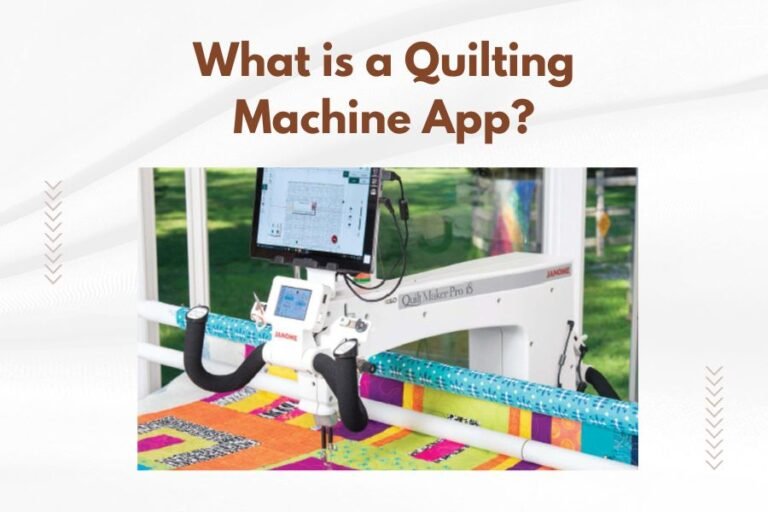
Janome Quilt Maker Pro
Janome’s entry has a 20-inch throat and industrial-grade components. Many quilters appreciate the build quality.
Complete setups typically run $14,000-18,000.
Frame Options and Setup
The frame system affects how your mid-arm machine works. You have several choices.
Standard Frames
These hold your quilt flat and taut. You roll sections as you complete areas. Most entry-level setups use standard frames.
Track Systems
The machine rides on tracks across the frame. This setup offers more stability and smoother movement.
Track systems cost more but many quilters find them worth the upgrade.
Adjustable vs Fixed Height
Adjustable height frames let multiple quilters use the same setup comfortably. Fixed height frames cost less but fit fewer people well.
Consider who will use the machine when choosing frame options.
Setting Up Your Space
Mid-arm machines need proper setup to work well. Here’s what to plan for.
Room Dimensions
Plan for 10-12 feet length and 8-10 feet width minimum. You need walking space around all sides of the frame.
Ceiling height should be at least 8 feet. Some quilters hang batting rolls from the ceiling.
Flooring Considerations
Carpet can make rolling frames difficult to move. Hard floors work better but add noise.
Some quilters use area rugs under frames for comfort while maintaining smooth rolling.
Lighting Requirements
Good lighting prevents eye strain and improves stitch quality. Plan for overhead lights plus task lighting near the needle area.
LED lights produce less heat and last longer than traditional bulbs.
Maintenance and Care
Mid-arm machines need regular maintenance to perform well.
Daily Cleaning
Remove lint from the bobbin area after each quilting session. Thread buildup can cause tension problems.
Wipe down the machine head and frame to prevent dust accumulation.
Oil and Lubrication
Follow your manufacturer’s oiling schedule. Most mid-arm machines need oiling every 8-10 hours of use.
Use only recommended oils. Wrong lubricants can damage seals and moving parts.
Professional Service
Annual professional cleaning keeps your machine running smoothly. Technicians can spot problems before they become expensive repairs.
Cost Considerations Beyond Purchase Price
The machine and frame aren’t your only expenses. Plan for these additional costs.
Installation and Training
Professional setup typically costs $500-1,000. Many dealers include basic training in this price.
Additional training classes might cost $200-500 but can significantly shorten your learning curve.
Thread and Batting
Mid-arm machines use thread faster than domestic machines. Budget for higher thread consumption.
You’ll likely upgrade to higher quality batting too, which affects ongoing costs.
Accessories and Upgrades
Quilting rulers, templates, and specialized feet add up quickly. Budget $500-1,000 for initial accessories.
Making the Decision
Should you buy a mid-arm machine? Ask yourself these questions.
How Many Large Quilts Do You Make?
If you complete fewer than 6-8 bed-sized quilts per year, a mid-arm might be overkill. Occasional large projects don’t justify the cost and space.
Do You Have Adequate Space?
Be honest about your available room. A cramped setup will frustrate you and limit the machine’s benefits.
What’s Your Budget Reality?
Can you comfortably afford the machine, setup, and ongoing costs? Stretching your budget too thin removes the joy from quilting.
Are You Ready to Learn?
Mid-arm quilting requires developing new skills. Are you excited about that challenge or does it feel overwhelming?
Conclusion
Mid-arm quilting machines occupy a sweet spot between domestic and longarm machines. They offer significantly more quilting space than home machines while costing less than longarms.
For serious quilters who regularly make large projects, mid-arms can transform your quilting experience. You’ll finish projects faster and achieve more professional results.
But they’re not right for everyone. The high cost, space requirements, and learning curve make them best suited for dedicated quilters who will use them regularly.
Take time to try different machines if possible. Visit quilt shows, talk to other quilters, and be honest about your needs and space. The right mid-arm machine can serve you well for many years of beautiful quilting.
Can I use a mid-arm machine for tasks other than quilting?
Most mid-arm machines are designed specifically for quilting and can’t handle other sewing tasks like piecing blocks or garment construction. You’ll still need a regular sewing machine for most quilt-making steps besides the actual quilting.
How long does it take to learn free-motion quilting on a mid-arm machine?
Most quilters need 3-6 months of regular practice to feel comfortable with basic free-motion techniques. Achieving smooth, consistent results typically takes 6-12 months depending on how often you practice and your previous quilting experience.
Do mid-arm machines work with all types of batting and fabric?
Mid-arm machines handle most batting types well, including cotton, polyester, wool, and blends. Very thick battings or multiple layers might require tension adjustments. Minky and other stretchy fabrics can be challenging and may need special techniques or stabilizers.
What’s the difference between renting time on a mid-arm versus owning one?
Renting typically costs $25-40 per hour at quilt shops. If you quilt more than 15-20 hours per month, ownership becomes cost-effective. Owning also lets you work at your own pace and schedule, while renting requires booking time slots and traveling to the shop.
Can I finance a mid-arm machine purchase?
Many dealers offer financing options ranging from 12-60 months. Some provide 0% interest for qualified buyers. Credit requirements vary by dealer. Consider the total cost including interest when comparing financing options to saving up for a cash purchase.