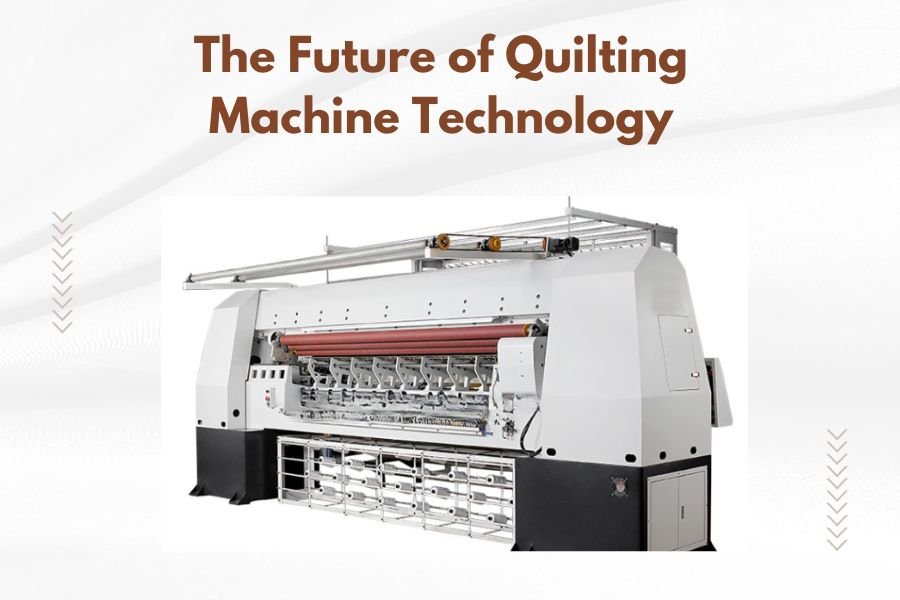
The future of quilting machine technology will feature AI-powered pattern recognition, automated fabric handling, and smart connectivity that adapts to your unique quilting style.
Advanced quilting machines are moving toward voice control, predictive maintenance alerts, and integrated design software that transforms how you create beautiful quilts.
What Makes Modern Quilting Machines So Smart?
Your quilting machine is getting a brain upgrade. Today’s models can learn from your stitching patterns and suggest improvements. They remember your favorite settings and adjust tension automatically.
Think of it like having a quilting mentor built right into your machine. It watches how you work and helps you get better results every time.
Artificial Intelligence in Quilting
AI quilting systems can now recognize fabric types just by touching them. They adjust stitch length, speed, and pressure based on what material you’re using.
Some machines can even spot potential thread breaks before they happen. This saves you hours of frustration and rework.
Pattern Recognition Technology
New machines scan your quilt design and map out the most efficient stitching path. No more guessing which section to tackle first.
The system calculates thread usage and warns you when you’re running low. You’ll never run out of thread halfway through a complex pattern again.
Learning Your Style
Smart quilting machines track your preferences over time. They notice if you prefer tighter stitches on borders or looser ones for filling patterns.
After a few projects, your machine becomes like a custom-tailored tool that works exactly how you want it to.
Connectivity Features That Change Everything
Modern quilting machines connect to your phone, tablet, and computer. You can start a design on your iPad and finish it on the machine without missing a beat.
Cloud storage means your patterns are always backed up. Lost designs become a thing of the past.
Mobile App Integration
Quilting apps now let you control your machine from across the room. Start, stop, or adjust settings without getting up from your cutting table.
You can browse thousands of patterns online and send them directly to your machine. It’s like having a pattern library that never runs out of space.
Real-Time Monitoring
Your phone can show you exactly what’s happening with your quilt while you’re in another room. Some apps even send photos of the progress.
If something goes wrong, you get an instant alert. No more coming back to find a bird’s nest of tangled thread.
Social Quilting Networks
Connected machines let you share patterns with other quilters instantly. Found a design you love? Send it to your quilting circle with one tap.
Online quilting communities are growing around these connected features. You can get help, share tips, and show off finished projects.
Automation That Saves You Time
Future quilting machines will handle the boring stuff so you can focus on creativity. Automatic thread cutting, fabric positioning, and bobbin changes are just the beginning.
Imagine loading fabric once and having the machine complete an entire quilt top while you work on binding or planning your next project.
Robotic Fabric Handling
New systems use gentle robotic arms to move fabric during quilting. They’re precise enough to handle delicate materials without damage.
Large quilts become much easier to manage. The machine does the heavy lifting while you guide the creative process.
Automatic Material Loading
Some prototypes can load backing fabric, batting, and quilt top automatically. You set up the materials once, and the machine takes care of alignment.
This technology is still developing, but early tests show promise for reducing setup time by 80%.
Smart Tension Control
Automated tension systems adjust hundreds of times per minute. They respond to fabric thickness changes instantly.
You’ll see fewer puckers, better stitch quality, and less thread breakage. The machine handles technical details while you focus on design.
Voice Control and Hands-Free Operation
Speaking to your quilting machine might sound like science fiction, but it’s happening now. Simple voice commands can start, stop, or adjust settings.
When your hands are busy positioning fabric, you can tell the machine to speed up, slow down, or pause without reaching for buttons.
Natural Language Commands
Advanced systems understand conversational requests. You can say “make the stitches a little tighter” instead of remembering specific tension numbers.
The machine learns your vocabulary over time. It knows what you mean when you say “do that scrolly pattern” or “use the blue thread setting.”
Safety Features
Voice-controlled machines include safety stops. If you sound frustrated or use certain words, the machine pauses automatically.
Emergency stop commands work even when music is playing or the machine is running at full speed.
Predictive Maintenance Technology
Your future quilting machine will tell you when it needs care before problems start. Sensors monitor every moving part and predict when maintenance is due.
No more surprise breakdowns in the middle of important projects. You’ll know exactly when to schedule service or replace parts.
Component Health Monitoring
Smart sensors track motor temperature, belt tension, and needle wear. They create maintenance schedules based on actual usage, not arbitrary time periods.
Research shows predictive maintenance can reduce machine downtime by up to 75% compared to traditional service schedules.
Automated Diagnostics
When something does go wrong, the machine can often fix minor issues itself. It might adjust timing, recalibrate sensors, or clear temporary glitches.
For bigger problems, detailed diagnostic reports help service technicians fix issues faster.
Sustainable Manufacturing Trends
Future quilting machines will be built with sustainability in mind. Manufacturers are using recycled materials and designing for easier repair.
Energy efficiency is improving too. New motors use 40% less electricity while delivering better performance.
Modular Design Philosophy
Instead of replacing entire machines, you’ll be able to upgrade individual components. Need better connectivity? Swap out the control module.
This approach reduces waste and keeps older machines relevant longer. It’s better for your wallet and the environment.
| Technology Feature | Current Availability | Expected Timeline | Impact Level |
|---|---|---|---|
| AI Pattern Recognition | Limited models | 2-3 years | High |
| Voice Control | Basic commands | 1-2 years | Medium |
| Robotic Fabric Handling | Prototypes only | 5-7 years | Revolutionary |
| Predictive Maintenance | High-end models | 2-4 years | High |
Cost and Accessibility Improvements
Advanced features are becoming more affordable as technology matures. What cost $50,000 five years ago now appears in $15,000 machines.
Leasing programs and subscription models make high-tech quilting more accessible. You can access premium features without huge upfront costs.
Entry-Level Smart Features
Basic AI assistance and connectivity features are appearing in machines under $5,000. These aren’t full-featured systems, but they offer a taste of the future.
Upgrade paths let you add capabilities over time. Start with basic smart features and add more as your skills and budget grow.
Challenges and Limitations
Not everything about high-tech quilting is perfect. Complex systems can be overwhelming for beginners. Some quilters prefer the hands-on feel of traditional methods.
Reliability concerns exist with any new technology. Early adopters might face more troubleshooting than they’d like.
Learning Curve Considerations
Smart machines require time to learn and set up properly. The initial investment in training can be significant.
Manufacturers are addressing this with better tutorials and simplified interfaces. Many offer online training programs with new machine purchases.
Technical Support Needs
Complex machines need specialized service technicians. Not every local shop can handle AI-powered systems or connectivity issues.
Remote diagnostics help, but some problems still require hands-on expertise that might not be available everywhere.
What This Means for Your Quilting Journey
You don’t need to rush into buying the latest technology. Many traditional techniques still produce beautiful results.
But staying informed about new capabilities helps you make better decisions when it’s time to upgrade. Consider which features would actually improve your quilting experience.
Choosing the Right Tech Level
Match technology to your quilting goals. If you make one quilt per year, basic automation might be plenty. High-volume quilters benefit more from advanced features.
Consider your comfort level with technology too. Some quilters love gadgets and apps. Others prefer to keep things simple.
Conclusion
The future of quilting machine technology promises to make your creative process smoother, faster, and more enjoyable. AI assistance, voice control, and predictive maintenance will handle technical challenges while you focus on artistic expression.
These advances don’t replace your creativity or skill – they enhance what you can accomplish. Whether you embrace every new feature or selectively adopt what helps most, technology will continue opening new possibilities for beautiful quilting.
The key is staying informed and choosing innovations that truly serve your quilting goals. The future looks bright for quilters ready to blend traditional craftsmanship with modern convenience.
Will AI-powered quilting machines replace traditional quilting skills?
AI quilting machines enhance your skills rather than replace them. They handle technical details like tension control and pattern optimization, but you still make creative decisions about design, color, and artistic expression. Think of AI as a very smart assistant that handles the boring stuff.
How much will smart quilting machines cost in the future?
Smart quilting machine prices are dropping as technology becomes mainstream. Entry-level smart features now appear in machines under $5,000, while professional AI systems cost $15,000-30,000. Expect basic smart features to reach $2,000-3,000 machines within three years.
Can voice-controlled quilting machines understand different accents and languages?
Modern voice recognition systems adapt to various accents and speaking patterns through machine learning. Most systems require a brief training period where you repeat common commands. Multi-language support is expanding, with major quilting machine brands adding Spanish, French, and German voice control.
What happens if my internet connection fails while using a connected quilting machine?
Connected quilting machines store essential functions locally, so basic operations continue without internet. You can still quilt, adjust settings, and use saved patterns. Cloud features like pattern downloads and remote monitoring require connectivity, but your machine won’t stop working offline.
Are high-tech quilting machines reliable enough for professional use?
Professional-grade smart quilting machines undergo extensive testing and include redundant systems for critical functions. Many commercial quilting businesses report 95%+ uptime with modern machines. Predictive maintenance actually improves reliability by catching problems early, making them more dependable than older mechanical systems.