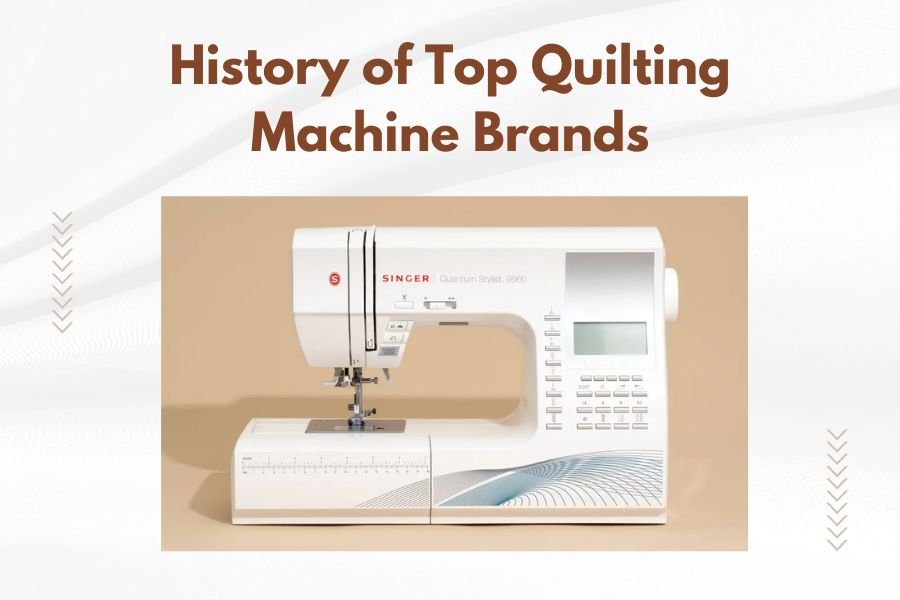
The history of top quilting machine brands spans over 150 years, with Singer leading the way in 1851, followed by Brother, Bernina, and Janome who revolutionized home quilting.
Today’s quilting machine brands evolved from basic sewing companies into specialized manufacturers, with each brand developing unique features that transformed quilting from hand-stitching to automated artistry.
Singer: The Pioneer That Started It All
You probably know Singer as the most famous sewing machine name. But did you know they started the quilting revolution back in 1851?
Isaac Singer didn’t invent the sewing machine. He made it better. His first machine could sew 900 stitches per minute while hand-sewing managed only 40.
Singer’s Early Quilting Innovations
Singer machines changed quilting forever. Before Singer, you spent months hand-stitching a single quilt. With their machines, you could finish the same quilt in weeks.
The company introduced the first affordable home sewing machine in 1858. This opened quilting to regular families, not just the wealthy.
Why Singer Dominated Early Markets
Singer used smart business moves. They offered payment plans when most companies demanded cash upfront. They also trained customers how to use their machines.
By 1900, Singer controlled 75% of the world’s sewing machine market. That’s like Apple dominating phones today.
Brother: From Paper Trading to Quilting Excellence
Here’s something that might surprise you. Brother started as a paper trading company in Japan in 1908.
The Yasui brothers had no idea they’d become quilting legends. They just wanted to make money importing and exporting goods.
Brother’s Sewing Machine Journey
Brother didn’t make their first sewing machine until 1928. They called it the “Chain Stitch Hand Sewing Machine.”
World War II nearly destroyed the company. But they bounced back stronger. By the 1950s, they were shipping sewing machines to America.
Brother’s Quilting Breakthrough
The 1980s changed everything for Brother. They launched computerized sewing machines with built-in stitches.
Quilters loved this. You could create complex patterns without being a master seamstress. Brother made quilting accessible to beginners.
Modern Brother Quilting Features
Today’s Brother quilting machines blow those 1980s models away. You get:
- LCD touch screens bigger than your phone
- Automatic thread cutting
- 600+ built-in stitches
- USB connectivity for downloading patterns
Bernina: Swiss Precision Meets Quilting Art
When you think Swiss quality, you think watches. But Switzerland also gave us Bernina sewing machines.
Fritz Gegauf founded Bernina in 1893 in a small Swiss village. His goal? Build the most precise sewing machines in the world.
Bernina’s Quality Philosophy
Bernina machines cost more than most competitors. Why? They’re built like Swiss watches.
Every Bernina machine gets hand-tested before leaving the factory. That’s why quilters pass these machines down through generations.
The Bernina Quilting Revolution
Bernina introduced the first knee-lift presser foot in 1945. This sounds boring, but it changed quilting forever.
You could lift the presser foot without using your hands. This meant smoother quilting and less fatigue during long projects.
Bernina’s Modern Quilting Technology
Today’s Bernina machines feature computer connectivity and precision that would amaze Fritz Gegauf. The Bernina 8 Series includes:
- Dual feed system for perfect fabric handling
- Automatic presser foot recognition
- Stitch regulators for free-motion quilting
- Pattern editing software
Janome: The Japanese Quality Revolution
Janome means “snake eye” in Japanese. Strange name for a sewing machine company, right?
Yosaku Ose founded Janome in 1921. He chose the name because early sewing machines had round feeding mechanisms that looked like snake eyes.
Janome’s Rise to Quilting Fame
Janome stayed small for decades. They only made machines for the Japanese market until the 1960s.
Everything changed when they entered the American market. Quilters discovered Janome’s smooth operation and reliable stitching.
What Makes Janome Special for Quilters
Janome focuses on mechanical precision. Their machines handle heavy fabrics and multiple layers without skipping stitches.
Research shows that consistent stitch quality matters most to quilters (Quilting Daily). Janome built their reputation on exactly that.
Janome’s Quilting Innovations
Janome introduced several quilting game-changers:
- AcuFeed system for even fabric feeding
- Superior Plus feed system
- Automatic thread trimming
- Extension tables for large quilts
Pfaff: German Engineering for Quilters
Georg Michael Pfaff started his company in 1862 in Germany. He wanted to build sewing machines that lasted forever.
Pfaff machines survived two world wars and kept stitching. That’s German engineering for you.
Pfaff’s Unique Quilting Approach
Pfaff developed the Integrated Dual Feed system. This moves fabric layers evenly, preventing bunching in quilts.
Other companies copied this idea, but Pfaff perfected it first. Quilters still consider Pfaff’s dual feed the gold standard.
Pfaff’s Creative Focus
Pfaff targets creative quilters. Their machines include features like:
- Color touch screens
- Built-in quilting tutorials
- Automatic pattern matching
- Wireless connectivity
Husqvarna Viking: Scandinavian Quilting Heritage
Yes, the same company that makes chainsaws once made sewing machines. Husqvarna started in 1689 making muskets for the Swedish army.
They didn’t make sewing machines until 1872. But when they did, they brought military precision to quilting.
Viking’s Quilting Philosophy
Viking machines focus on user experience. They want quilting to feel natural and enjoyable.
Their SewErgo feature reduces strain during long quilting sessions. This matters when you’re working on king-size quilts.
How These Brands Changed Modern Quilting
Think about quilting 100 years ago. You needed serious skill and endless patience. A single quilt took months of careful hand-stitching.
These brands changed everything. They made quilting faster, easier, and more creative.
Technology That Transformed Quilting
| Innovation | Brand | Year | Impact |
|---|---|---|---|
| First Home Machine | Singer | 1851 | Made quilting accessible |
| Knee-Lift Foot | Bernina | 1945 | Hands-free operation |
| Computerized Stitches | Brother | 1980s | Complex patterns simplified |
| Dual Feed System | Pfaff | 1990s | Even fabric handling |
The Digital Age of Quilting
Today’s quilting machines connect to computers and smartphones. You can download patterns, edit designs, and share creations online.
This digital revolution started with these heritage brands. They took risks on new technology when others played it safe.
What’s Next for Quilting Machines
Artificial intelligence is coming to quilting. Machines will soon suggest stitch patterns based on your fabric choices.
Cloud storage will let you access patterns from anywhere. Social features will connect quilters worldwide.
Choosing Between Historical Quilting Brands
Each brand has strengths and weaknesses. Your choice depends on your quilting style and budget.
For Beginners
Brother offers the best value for new quilters. Their machines include helpful tutorials and forgiving operation.
For Precision Quilters
Bernina and Janome excel at consistent stitch quality. They cost more but last decades.
For Creative Quilters
Pfaff and Viking provide the most design options. Their software lets you create custom patterns easily.
The Legacy These Brands Created
These companies didn’t just make machines. They preserved and transformed an art form.
Hand quilting was dying out in the early 1900s. Machine quilting saved it and made it accessible to millions.
Today, quilting communities thrive worldwide. Online forums connect quilters across continents. Local guilds teach traditional techniques to new generations.
Conclusion
The history of top quilting machine brands tells the story of innovation meeting tradition. From Singer’s revolutionary 1851 machine to today’s computerized marvels, these companies transformed quilting from an exclusive craft into a global hobby.
Each brand brought unique strengths: Singer’s accessibility, Brother’s user-friendliness, Bernina’s precision, Janome’s reliability, Pfaff’s engineering, and Viking’s ergonomics. Together, they created the modern quilting experience you enjoy today.
Whether you’re choosing your first quilting machine or upgrading to the latest technology, you’re part of this continuing story. These heritage brands keep pushing boundaries, making quilting more creative and enjoyable for everyone.
What was the first quilting machine brand?
Singer created the first practical home sewing machine in 1851, making them the pioneering brand in machine quilting. Their affordable payment plans and customer training programs made machine quilting accessible to regular families for the first time.
Which quilting machine brand lasts the longest?
Bernina and Janome machines typically last 20-30 years or more with proper maintenance. These brands focus on mechanical precision and use high-quality components that withstand heavy use over decades.
Why do quilting machines cost so much more than regular sewing machines?
Quilting machines include specialized features like larger throat space, stitch regulators, automatic thread cutting, and dual feed systems. These components require precision engineering and add significant manufacturing costs compared to basic sewing machines.
Can vintage quilting machines still compete with modern ones?
Well-maintained vintage machines from Singer, Bernina, and other heritage brands often produce excellent stitch quality that matches modern machines. However, they lack modern conveniences like computerized patterns, automatic features, and digital connectivity.
Which brand introduced the most important quilting innovation?
Singer’s introduction of the affordable home sewing machine in 1851 had the biggest impact, transforming quilting from an elite craft to a popular hobby. This single innovation saved quilting from extinction and made it accessible to millions of people worldwide.