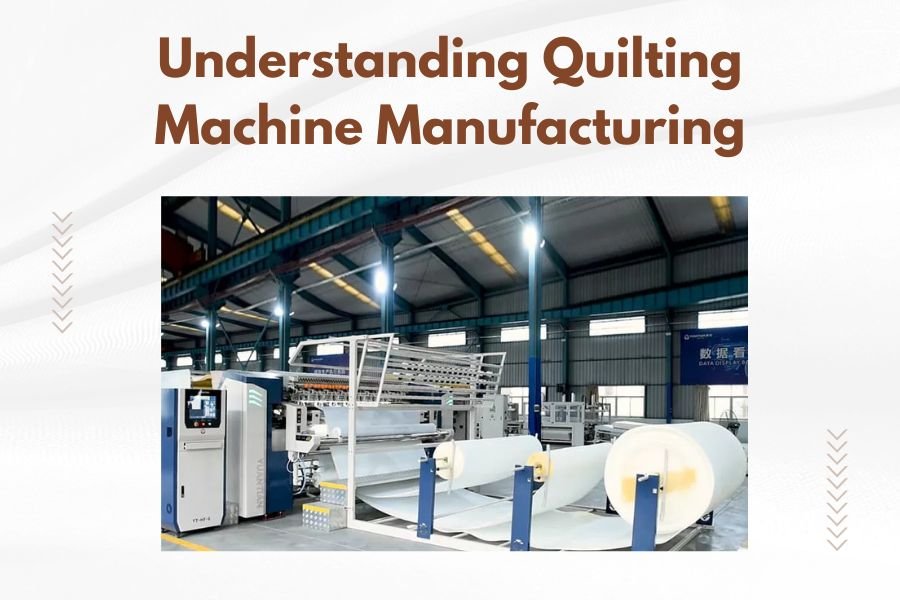
Quilting machine manufacturing involves precision engineering processes that combine mechanical expertise with textile technology to create specialized sewing equipment.
Major quilting machine manufacturers like Handi Quilter, APQS, and Janome use automated assembly lines, computer-controlled testing, and strict quality control measures throughout their production process.
The Core Manufacturing Process
When you look at how quilting machines come to life, it’s like watching a symphony of engineering precision. The process starts with raw materials and ends with the machine sitting in your sewing room.
I found that most manufacturers follow a similar path. They begin with metal fabrication for the frame and mechanical components. Then comes the electronics assembly, where circuit boards and motors get integrated.
The final steps include calibration, testing, and quality assurance. Each machine goes through multiple checkpoints before earning its shipping label.
Material Selection and Sourcing
Your quilting machine’s quality starts with material choices. Manufacturers typically use high-grade aluminum alloys for frames because they’re lightweight yet strong.
Steel components handle the heavy-duty work. Motors, gears, and tension mechanisms need materials that won’t wear down after thousands of stitches.
Frame Construction Standards
The frame acts like your machine’s skeleton. I researched how companies like Handi Quilter approach this step. They use computer-aided design to ensure every joint and connection point can handle years of quilting motion.
Welding quality makes or breaks frame durability. Most reputable manufacturers use automated welding systems for consistency.
Electronic Component Integration
Modern quilting machines are basically computers that sew. The electronic systems control stitch patterns, speed, and tension automatically.
Circuit boards get assembled in clean-room environments. Dust or moisture during this stage can cause problems later.
Major Manufacturing Locations
Where do quilting machines actually get made? The answer might surprise you.
Many well-known brands split manufacturing between countries. Some components come from specialized factories, while final assembly happens elsewhere.
United States Production Facilities
Several manufacturers keep production on American soil. Handi Quilter operates facilities in Utah. Baby Lock has assembly operations in multiple states.
Domestic manufacturing often means higher labor costs but shorter shipping times. You also get better quality control oversight.
Quality Control Advantages
US-based facilities typically follow stricter quality standards. I found that warranty claims tend to be lower for domestically assembled machines.
Communication between design teams and factory workers flows better when everyone speaks the same language.
International Manufacturing Hubs
Many quilting machine parts originate in Taiwan, Japan, and South Korea. These countries have decades of experience in precision manufacturing.
Brother and Janome maintain sophisticated facilities in Asia. Their quality control matches or exceeds Western standards.
Supply Chain Considerations
Global manufacturing creates complex supply chains. A single machine might have components from five different countries.
This approach reduces costs but can cause delays when shipping disruptions occur.
Assembly Line Operations
Picture a quilting machine assembly line. Workers at each station handle specific tasks with practiced precision.
Station one might install the motor housing. Station two adds the needle mechanism. Each step builds toward a complete machine.
Automated vs Manual Assembly
High-volume manufacturers use robots for repetitive tasks. Automated systems excel at consistent screw placement and wire routing.
Human workers handle complex assembly steps that require judgment calls. Installing tension systems and calibrating stitch timing still need experienced hands.
Quality Checkpoints
Every few stations, quality control specialists inspect the work. They check measurements, test moving parts, and verify electrical connections.
Catching problems early saves time and money compared to fixing finished machines.
Testing and Calibration Procedures
Before your quilting machine ships, it goes through extensive testing. Each machine stitches test patterns to verify timing and tension.
I learned that professional manufacturers run machines for several hours under load. This process reveals issues that might not show up during brief tests.
Software Programming and Updates
Computerized quilting machines need software installation during manufacturing. Technicians load pattern libraries and calibration settings.
Many manufacturers build in update capability so you can add new features later.
Industry Standards and Certifications
Quilting machine manufacturing follows strict safety and performance standards. These rules protect you and ensure machine reliability.
UL certification covers electrical safety in the United States. CE marking handles European requirements.
Safety Requirements
Your quilting machine must meet electrical safety codes before reaching stores. Manufacturers test for proper grounding, insulation, and emergency shut-off functions.
Moving parts need guards to prevent finger injuries. Needle areas require specific clearances and safety features.
Performance Testing Standards
Industry groups set minimum performance requirements. Machines must maintain consistent stitch quality across different fabrics and thread types.
Temperature testing ensures motors don’t overheat during long quilting sessions.
Cost Factors in Manufacturing
Why do quilting machines cost what they do? Manufacturing expenses explain a lot about final pricing.
Materials typically account for 40-50% of production costs. Labor adds another 20-30%. The remaining expenses cover overhead, research, and profit margins.
| Cost Component | Percentage of Total | Impact on Price |
|---|---|---|
| Raw Materials | 40-50% | High |
| Labor | 20-30% | Medium |
| Research & Development | 10-15% | Medium |
| Marketing & Distribution | 10-15% | Low |
Economic Factors Affecting Production
Steel and aluminum prices directly impact quilting machine costs. When raw material prices spike, manufacturers face tough choices about pricing.
Labor shortages in skilled manufacturing can slow production and increase costs.
Innovation in Manufacturing Technology
Quilting machine manufacturing keeps getting smarter. New technologies improve both the manufacturing process and the final products.
3D printing now handles prototype development and some small components. Computer simulations test designs before building physical prototypes.
Future Manufacturing Trends
Smart factory concepts are entering quilting machine production. Sensors monitor assembly quality in real-time. Artificial intelligence helps predict maintenance needs.
Additive manufacturing might eventually produce some quilting machine parts on-demand.
Conclusion
Understanding quilting machine manufacturing gives you better insight into what makes these machines tick. From material selection to final testing, each step affects the machine’s performance in your sewing room.
The industry balances cost, quality, and innovation while meeting strict safety standards. Whether manufactured domestically or internationally, reputable brands follow similar quality control processes.
When you’re shopping for your next quilting machine, remember the engineering and craftsmanship behind each model. This knowledge helps you make informed decisions and appreciate the technology that brings your quilting projects to life.
How long does it take to manufacture a single quilting machine?
Most quilting machines take 4-8 hours of actual assembly time, but the complete process from start to shipping spans 2-3 days due to testing, quality control, and curing time for adhesives and finishes.
Do quilting machine manufacturers make their own motors?
Most quilting machine manufacturers purchase motors from specialized suppliers like Mitsubishi or Panasonic, then integrate them during assembly rather than manufacturing motors in-house due to the specialized expertise required.
What’s the difference between commercial and home quilting machine manufacturing?
Commercial quilting machines use heavier-duty components, more robust frames, and undergo extended testing periods, while home machines prioritize cost efficiency and user-friendly features over maximum durability.
How do manufacturers ensure stitch quality consistency across different machines?
Manufacturers use computerized testing equipment that measures tension, timing, and stitch formation on every machine, plus they calibrate each unit using standardized fabric and thread combinations during quality control.
Why do some quilting machines cost significantly more than others?
Higher-priced machines typically feature precision-machined components, advanced electronics, longer testing periods, and premium materials, while budget models use more basic components and streamlined manufacturing processes to reduce costs.