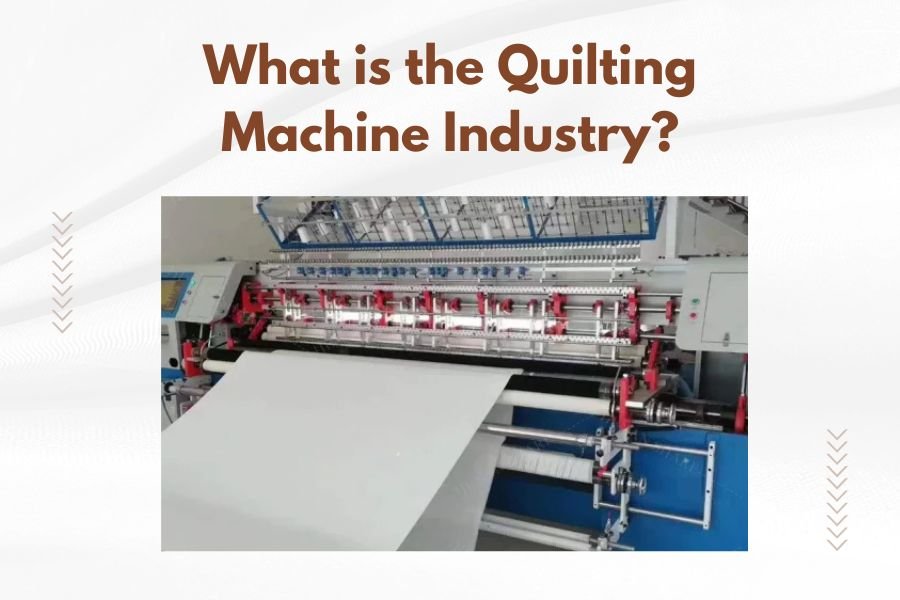
The quilting machine industry manufactures specialized sewing equipment designed for creating layered textile projects with decorative stitching patterns.
This industry serves both home crafters and commercial textile producers, offering machines ranging from basic domestic models to advanced computerized systems for quilting businesses.
Understanding the Quilting Machine Market
You might wonder what makes quilting machines different from regular sewing machines. The answer lies in their throat space and specialized features.
Quilting machines have extended arm lengths that allow you to maneuver large quilt projects easily. They also include features like stitch regulation, pattern programming, and frame compatibility.
Key Players in the Industry
The quilting machine industry includes several major manufacturers. Brother, Janome, and Bernina lead the domestic market segment.
For commercial operations, companies like APQS, Gammill, and Handi Quilter dominate the longarm machine category. These brands focus on durability and speed for business use.
Domestic Machine Manufacturers
Brother International offers machines from basic quilting models to advanced computerized units. Their pricing typically ranges from $200 to $3,000.
Janome focuses on precision engineering and smooth operation. Their quilting machines often feature superior tension control and stitch quality.
Commercial Equipment Producers
Longarm manufacturers serve professional quilters and small businesses. These companies produce machines costing $15,000 to $50,000 or more.
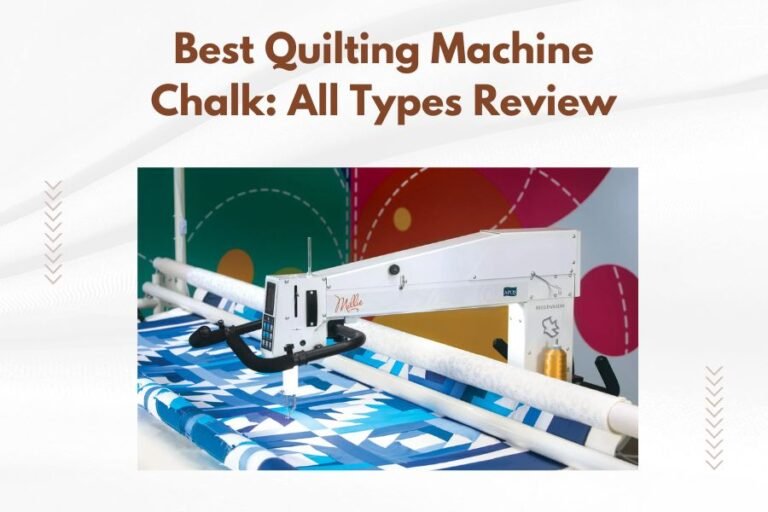
APQS (American Professional Quilting Systems) specializes in computerized longarm systems. They offer both manual and robotic quilting solutions.
Types of Quilting Machines Available
The industry produces three main categories of quilting equipment. Each serves different user needs and budget ranges.
Domestic Quilting Machines
These sit-down machines work well for home quilters. They typically have 9 to 11 inches of throat space.
Features include automatic threading, built-in stitches, and quilting extensions. Most connect to regular sewing tables or cabinets.
Entry-Level Models
Basic quilting machines cost $200 to $800. They offer essential features like adjustable stitch length and zigzag capability.
You get enough functionality for simple quilting projects. These work well if you’re just starting your quilting journey.
Advanced Computerized Units
High-end domestic machines range from $1,500 to $8,000. They include touchscreen displays, automatic cutting, and hundreds of built-in patterns.
Some models connect to embroidery units for combination stitching. Others offer smartphone app integration for pattern downloads.
Longarm Quilting Systems
Longarm machines mount on wheeled frames or tracks. They allow you to move the machine head across stationary fabric layers.
These machines have 18 to 30 inches of throat space. Some models extend even wider for commercial applications.
Manual Longarm Machines
You guide these machines by hand across the quilt surface. They require skill development but offer complete creative control.
Manual longarms typically cost $8,000 to $20,000 with frames included. They work well for custom quilting services.
Computerized Quilting Systems
Robotic longarm machines follow programmed patterns automatically. You load designs and let the machine complete the quilting.
These systems cost $25,000 to $100,000 or more. They enable high-volume production for quilting businesses.
Mid-Arm Quilting Machines
Mid-arm machines bridge the gap between domestic and longarm equipment. They offer 15 to 18 inches of working space.
These machines cost less than full longarms while providing more capacity than domestic models. They suit serious hobbyists and small businesses.
Market Size and Growth Trends
I found that the global quilting machine market reached approximately $890 million in 2022. Industry analysts project steady growth through 2030.
North America represents the largest regional market, followed by Europe and Asia-Pacific. The crafting hobby surge during recent years boosted demand significantly.
Driving Market Factors
Several trends fuel industry expansion. The aging population in developed countries increases quilting participation rates.
Social media platforms showcase quilting projects, inspiring new participants. Online tutorials make learning quilting techniques more accessible than ever.
Technology Integration
Modern quilting machines incorporate smartphone connectivity and cloud-based pattern libraries. This tech integration attracts younger crafters to the hobby.
Computerized features reduce the learning curve for beginners. Automatic functions help users achieve professional-looking results quickly.
Small Business Growth
Many quilters turn their hobby into income streams. Custom quilting services and online sales create demand for commercial-grade equipment.
The gig economy mindset encourages craft-based businesses. Quilting machines enable flexible, home-based income opportunities.
Industry Challenges and Solutions
The quilting machine industry faces several ongoing challenges. High equipment costs limit market accessibility for some potential users.
Competition from general sewing machines with quilting features pressures specialized manufacturers. They respond by adding unique value propositions.
Price Sensitivity Issues
Quality quilting machines require significant investments. Entry-level models help manufacturers capture price-conscious customers.
Financing programs and trade-in options make premium machines more accessible. Some dealers offer rental programs for occasional users.
Skills Gap Concerns
Traditional quilting knowledge transfer faces interruption as older quilters retire. The industry promotes educational programs to maintain craft continuity.
Machine manufacturers partner with quilting shops for training classes. Online education platforms supplement in-person learning opportunities.
| Machine Type | Price Range | Best For | Throat Space |
|---|---|---|---|
| Domestic Basic | $200-$800 | Beginners | 9-11 inches |
| Domestic Advanced | $1,500-$8,000 | Serious hobbyists | 9-11 inches |
| Mid-Arm | $5,000-$15,000 | Small businesses | 15-18 inches |
| Manual Longarm | $8,000-$20,000 | Custom quilting | 18-30 inches |
| Computerized Longarm | $25,000-$100,000+ | Commercial production | 18-30+ inches |
Future Industry Outlook
The quilting machine industry shows promising growth potential. Demographic trends support continued market expansion in coming years.
Technology integration will likely accelerate, bringing more automation and connectivity features. Artificial intelligence might enable pattern recognition and suggestion systems.
Emerging Technologies
3D visualization software could help quilters preview finished projects before cutting fabric. Augmented reality might assist with pattern placement and design modifications.
Voice control integration seems probable as smart home technology advances. Hands-free operation would benefit quilters managing large projects.
Sustainability Focus
Environmental consciousness influences purchasing decisions increasingly. Manufacturers explore eco-friendly materials and energy-efficient designs.
Durability emphasis reduces replacement frequency, supporting sustainability goals. Repair services and parts availability extend machine lifespans.
Conclusion
The quilting machine industry serves a passionate and growing community of textile artists. From basic domestic models to sophisticated computerized systems, manufacturers offer solutions for every skill level and budget.
Technology integration drives innovation while traditional craftsmanship values remain important. The industry balances modern convenience with quilting heritage, creating opportunities for both hobbyists and entrepreneurs. As the market continues expanding globally, quilting machines will likely become more accessible, intelligent, and environmentally conscious.
What’s the difference between a quilting machine and a regular sewing machine?
Quilting machines have larger throat spaces (9+ inches vs 6-7 inches), specialized feet for thick layers, and often include stitch regulation features. They’re designed to handle the bulk and movement requirements of quilting projects that regular sewing machines struggle with.
How much should I budget for my first quilting machine?
Plan to spend $400-$1,200 for a quality beginner quilting machine that will grow with your skills. While cheaper options exist, machines in this range offer better reliability, features, and long-term value for serious quilting pursuits.
Can quilting machines handle other sewing projects besides quilts?
Yes, most quilting machines excel at regular sewing tasks like garments, home decor, and alterations. Their larger workspace and precise controls actually make many general sewing projects easier to complete.
What maintenance do quilting machines require?
Regular cleaning, oiling (if specified), and professional servicing once or twice yearly keep quilting machines running smoothly. Daily maintenance involves removing lint, checking tension, and using quality thread to prevent mechanical issues.
Are computerized quilting machines worth the extra cost?
Computerized features justify higher prices if you plan frequent quilting or want consistent results quickly. Manual machines work fine for occasional use, but automation saves significant time and effort for regular quilters or those starting businesses.