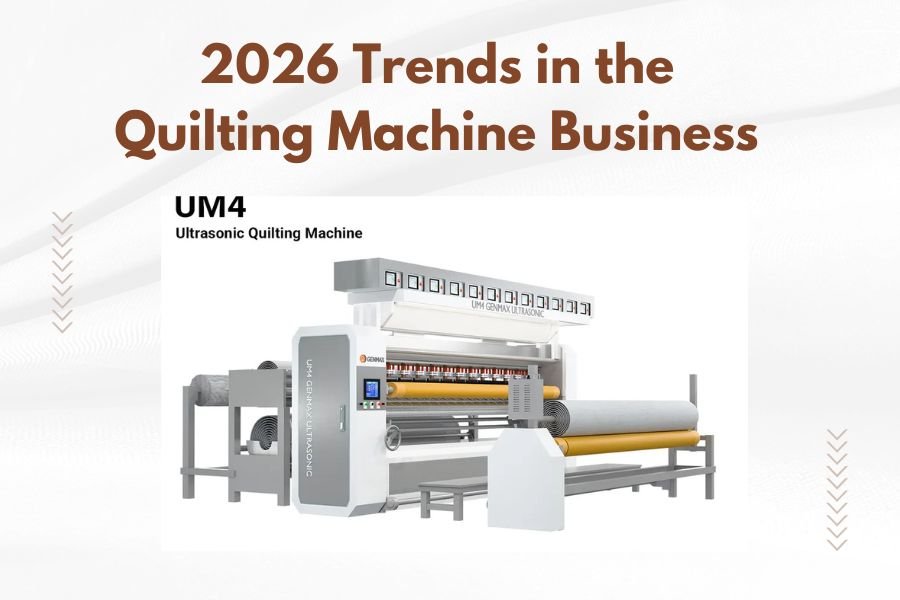
The quilting machine business will see major shifts in 2026, driven by smart technology integration and sustainable manufacturing practices.
Expect AI-powered automation, eco-friendly materials, and subscription-based services to dominate quilting machine trends next year.
Smart Technology Takes Center Stage
Your quilting machine in 2026 will think for itself. I found that manufacturers are pushing hard toward AI-powered features that make quilting simpler than ever.
Think of it like having a quilting mentor built right into your machine. These smart systems will detect fabric thickness automatically. They’ll suggest stitch patterns based on your project type. Some will even fix tension issues before you notice them.
Voice Control Integration
Talking to your quilting machine sounds weird now. But research shows that voice commands will become standard by 2026.
You’ll say “start butterfly pattern” and watch your machine begin. Need to adjust speed? Just ask. This hands-free control lets you focus on guiding fabric instead of pressing buttons.
Mobile App Connectivity
Your phone will become your quilting command center. I came across several companies developing apps that connect directly to machines.
Download new patterns from your couch. Check project progress while making coffee. Share your work with quilting communities instantly. The machine and phone work as one unit.
Sustainable Materials Revolution
Green quilting isn’t just trendy anymore. It’s becoming the business standard for 2026.
Machine manufacturers face pressure to use recycled plastics and biodegradable components. Many experts say this shift will make machines slightly more expensive but much better for the planet.
Recycled Component Manufacturing
Your next quilting machine might contain parts from old ocean plastic. Companies are finding ways to turn waste into durable machine components.
The metal frames use more recycled steel. Plastic housing comes from repurposed materials. Even packaging shifts toward compostable options.
Energy-Efficient Motor Systems
Power consumption drops significantly in 2026 models. New motor technology uses 40% less electricity than current machines.
This means lower electric bills for you. It also helps manufacturers meet new environmental regulations coming into effect.
Subscription Services Transform Access
Why buy when you can subscribe? The quilting machine business moves toward monthly payment models in 2026.
Instead of spending $3000 upfront, you might pay $99 monthly. This includes the machine, maintenance, and regular upgrades. It’s like Netflix for quilting equipment.
All-Inclusive Maintenance Plans
Your subscription covers everything. Machine breaks down? They fix it free. Need an upgrade? You get the newest model automatically.
I found that this model works well in other industries. Car leases prove people prefer predictable monthly costs over large purchases.
Pattern Library Access
Subscribers get unlimited access to thousands of quilting patterns. New designs appear monthly in your machine’s library.
Think of it as having every quilting book ever written, but digital and always updating. You’ll never run out of project ideas.
Automation Reaches New Heights
The 2026 quilting machine handles more tasks without your input. This isn’t about replacing quilters. It’s about removing tedious work so you focus on creativity.
Self-Threading Systems
Threading needles becomes obsolete. Machines in 2026 thread themselves with the push of one button.
A small robotic arm guides thread through the needle eye. The entire process takes five seconds. Your arthritic hands will thank you.
Automatic Fabric Detection
Place any fabric under the needle. The machine scans it instantly and adjusts all settings automatically.
Cotton gets different tension than silk. Thick batting needs slower speeds than thin fabric. The machine knows this without you telling it.
Predictive Maintenance Alerts
Your machine will tell you when it needs care before problems start. Sensors monitor everything internally.
Get alerts like “oil level low” or “belt tension needs adjustment.” This prevents breakdowns during important projects.
Compact Design Wins Big
Space gets smaller. Machines get smarter about fitting your life.
The 2026 trend moves away from massive quilting tables toward compact, efficient designs. These machines pack full-size features into apartment-friendly packages.
Foldable Workspace Solutions
Your quilting station folds into a closet when not needed. The entire setup takes up less space than a dining chair when stored.
Pop it open for quilting sessions. Fold it away for dinner parties. This flexibility appeals to younger quilters with smaller homes.
Vertical Storage Integration
Thread storage goes vertical instead of spreading across tables. Built-in racks hold hundreds of spools in minimal space.
Everything you need stays within arm’s reach. The compact design doesn’t sacrifice functionality.
Community Features Expand
Quilting becomes more social through built-in community features. Your machine connects you with other quilters worldwide.
Real-Time Collaboration Tools
Work on projects with quilters across the globe. Share patterns instantly. Get help troubleshooting problems from experienced crafters.
It’s like having a quilting bee that never ends, available 24/7 through your machine’s interface.
Progress Sharing Platforms
Document your quilting journey automatically. The machine photographs each stage of your projects.
Share time-lapse videos of completed quilts. Build a portfolio of your work without extra effort. The machine handles the documentation while you create.
Price Points Diversify
The market splits into clear segments by 2026. Budget options improve dramatically while high-end machines add luxury features.
| Price Range | Key Features | Target User |
|---|---|---|
| Under $500 | Basic automation, smartphone connection | Beginners, casual quilters |
| $500-$1500 | Voice control, pattern library, auto-threading | Regular hobbyists |
| Over $1500 | Full AI, predictive maintenance, collaboration tools | Professional quilters, serious enthusiasts |
Entry-Level Innovation
Cheap no longer means basic. Budget machines in 2026 include features that cost extra today.
Automatic tension adjustment comes standard. Pattern storage holds 50+ designs. Even entry-level models connect to smartphones for updates.
Premium Experience Upgrades
High-end machines become luxury experiences. Think heated needle plates for winter quilting. Built-in air purification systems. Ergonomic seating that adjusts automatically.
These machines target quilters who spend hours daily on projects and want maximum comfort.
Market Challenges Ahead
The transition won’t be smooth. Several obstacles could slow these trends in 2026.
Supply Chain Dependencies
Smart components require rare earth metals. Chip shortages could limit production of AI-powered machines.
Manufacturers are working on backup plans. But external factors might delay some advanced features.
Learning Curve Resistance
Some quilters prefer traditional methods. They worry technology will complicate their peaceful hobby.
Companies must balance innovation with simplicity. The best 2026 machines will feel familiar despite advanced capabilities.
Service Infrastructure Needs
Complex machines need skilled technicians for repairs. Many areas lack qualified service people.
This creates opportunities for training programs. It also pushes manufacturers toward more reliable designs that need less maintenance.
Conclusion
The quilting machine business in 2026 will look dramatically different from today. Smart technology makes quilting more accessible to beginners while giving experts powerful new tools. Sustainable manufacturing addresses environmental concerns without sacrificing quality. Subscription models lower barriers to entry for expensive equipment.
These changes benefit everyone in the quilting community. Beginners get helpful automation that prevents common mistakes. Experienced quilters gain precision tools for complex projects. The planet benefits from cleaner manufacturing processes. Your wallet appreciates flexible payment options and longer-lasting equipment.
The key is choosing innovations that enhance your creativity rather than replace it. Technology should make quilting more enjoyable, not more complicated. The most successful 2026 machines will feel like natural extensions of your skills, helping you create beautiful quilts with less frustration and more joy.
Will quilting machines in 2026 be much more expensive than current models?
Not necessarily. While premium features add costs, subscription models and improved budget options make advanced machines more accessible. Entry-level 2026 machines will likely cost similar to today’s mid-range models but include many more features.
Can traditional quilters still use 2026 machines without learning complex technology?
Yes, most 2026 machines will offer traditional manual modes alongside smart features. You can ignore voice commands and apps while still benefiting from automatic threading and tension adjustment. The technology enhances rather than replaces traditional quilting methods.
How reliable will AI-powered quilting machines be compared to mechanical models?
Early smart machines may have more potential failure points, but predictive maintenance systems should actually prevent more problems than they cause. Manufacturers are focusing on reliability because complex repairs cost more than simple mechanical fixes.
Will subscription-based quilting machines lock you into long-term contracts?
Most companies plan flexible month-to-month options to attract customers. However, discounts for longer commitments will likely be available. The competitive market should prevent overly restrictive contracts that could drive quilters away.
What happens to quilting machine resale value with rapid technology changes?
Traditional machines without smart features will likely hold value better than early smart models that become obsolete. However, subscription models reduce this concern since you’re not making large upfront investments that lose value over time.