
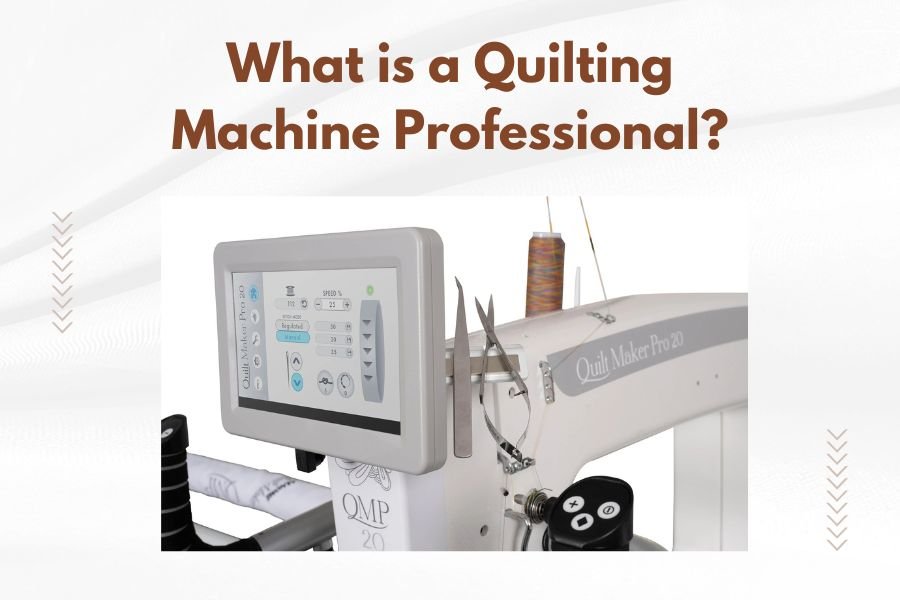
A quilting machine professional is a skilled craftsperson who uses specialized long-arm or sit-down quilting machines to create quilted textiles for clients, businesses, or personal projects.
These professionals typically complete custom quilting services, teach quilting techniques, or run quilting businesses using industrial-grade equipment that handles large quilt projects efficiently.
What Does a Quilting Machine Professional Do?
You might wonder what makes someone a quilting machine professional versus a hobbyist. The key difference lies in both skill level and equipment use.
Professional quilters work with advanced machines that cost thousands of dollars. They handle complex projects that regular home machines can’t manage. Think of it like the difference between cooking at home and running a restaurant kitchen.
Core Responsibilities
Professional quilters wear many hats in their work. Here’s what they do daily:
- Complete custom quilting projects for clients
- Design and plan quilt patterns using software
- Maintain and repair expensive quilting equipment
- Teach quilting classes and workshops
- Source materials and manage inventory
- Handle client consultations and project pricing
Client Services
Most quilting professionals offer several types of services. You’ll find them doing custom quilting for personal quilts, wedding gifts, and memory quilts.
They also work with quilt shops, interior designers, and textile artists. Some focus on restoration work, bringing old quilts back to life.
Types of Quilting Machine Professionals
The quilting world has different types of professionals. Each focuses on specific areas of the craft.
Long-Arm Quilting Specialists
These professionals use long-arm quilting machines. These machines have 12 to 30 inches of space between the needle and the machine’s body.
Long-arm specialists can handle king-size quilts easily. They work fast and create precise stitching patterns that would take days by hand.
Equipment They Use
Long-arm machines sit on large frames. The quilt layers stretch on this frame while the machine head moves freely.
Top brands include Gammill, APQS, and HandiQuilter. These machines cost between $15,000 and $40,000 new.
Sit-Down Machine Professionals
Some professionals prefer sit-down quilting machines. These look more like traditional sewing machines but have extended throats.
Sit-down professionals often do more detailed work. They excel at small custom pieces and intricate designs.
Advantages of Sit-Down Work
Sit-down quilters have more control over small details. They can easily stop and adjust their work.
This setup works well for art quilts and competition pieces. Many combine hand quilting with machine work.
Teaching Professionals
Many quilting machine professionals teach others. They run workshops at quilt shops, guilds, and conventions.
Teaching requires different skills beyond quilting. You need patience, communication skills, and lesson planning abilities.
Skills Required
Becoming a quilting machine professional takes time and practice. You need both technical and business skills.
Technical Skills
Machine operation comes first. You must understand tension, thread types, and needle selection.
Pattern design is equally important. Modern professionals often use computer software like Pro-Stitcher or Intelliquilter.
Machine Maintenance
Professional machines need regular maintenance. You’ll clean, oil, and adjust your equipment daily.
Basic repair skills save money and downtime. Many professionals learn to replace parts and troubleshoot problems.
Design and Color Theory
Good quilting professionals understand design principles. They know how colors work together and what patterns complement different quilt tops.
This knowledge helps them suggest improvements to client projects. It also sets their work apart from basic quilting services.
Business Skills
Most quilting professionals run their own businesses. This means handling scheduling, pricing, and customer service.
You need basic accounting skills and marketing knowledge. Social media presence helps attract new clients.
How to Become a Quilting Machine Professional
The path to becoming a professional varies. Some start as hobbyists and gradually build their skills.
Education and Training Options
Formal quilting schools exist but aren’t required. Many professionals learn through workshops and mentorship.
Machine manufacturers offer training programs. HandiQuilter University and APQS education programs teach both quilting and business skills.
Online Learning Resources
Online courses have become popular. Websites like Craftsy and Annie’s Kit Club offer professional-level instruction.
YouTube channels from established professionals provide free learning opportunities. However, hands-on practice remains essential.
Starting Your Business
Most new professionals start part-time. They build a client base while keeping other income sources.
Equipment financing helps manage the high startup costs. Many dealers offer payment plans for professional machines.
Setting Up Your Space
Professional quilting requires dedicated space. Long-arm machines need rooms at least 12 by 16 feet.
Good lighting and climate control protect both quilts and equipment. Many professionals work from home studios or rent commercial space.
Income Potential and Market Demand
Quilting professional income varies widely based on location, skills, and business approach.
I found that successful professionals charge $15 to $25 per hour for basic quilting. Custom design work commands higher rates.
Pricing Your Services
Most professionals charge by square inch or by the project. Edge-to-edge quilting typically costs $0.02 to $0.05 per square inch.
Custom quilting brings higher prices. Complex designs might cost $0.10 per square inch or more.
| Service Type | Typical Rate | Time Required |
|---|---|---|
| Edge-to-edge quilting | $0.02-$0.05 per sq in | 2-4 hours per queen |
| Custom quilting | $0.05-$0.10 per sq in | 6-12 hours per queen |
| Art quilt finishing | $100-$300 per piece | 8-20 hours |
Market Opportunities
The quilting market remains steady. Baby boomers drive much of the demand, but younger crafters are joining in.
Wedding quilts and memory quilts create year-round business. Corporate clients sometimes need quilted items for gifts or displays.
Challenges in the Profession
Professional quilting isn’t without difficulties. Physical demands can be challenging over time.
Physical Considerations
Long-arm quilting requires standing for hours. Many professionals develop back or leg problems.
Repetitive motion can cause hand and wrist issues. Taking breaks and using proper ergonomics helps prevent injury.
Business Challenges
Seasonal demand affects income. Many quilters finish projects for holidays or special occasions.
Equipment maintenance and replacement costs add up quickly. Professional machines need regular servicing to stay reliable.
Managing Client Expectations
Some clients don’t understand the time and skill involved in quality quilting. Education and clear communication prevent problems.
Written contracts help establish expectations for both timeline and quality standards.
Tools and Equipment
Professional quilters need more than just machines. The right tools make work faster and more accurate.
Essential Equipment
Beyond the quilting machine, professionals need cutting tables, design software, and quality lighting.
Thread inventory becomes significant. Professionals stock dozens of colors and weights.
Software and Technology
Computer-assisted quilting has changed the profession. Software like ProStitcher creates precise patterns automatically.
These systems cost extra but increase productivity. They also enable complex designs that would be difficult to quilt manually.
Future of the Profession
Technology continues changing professional quilting. Automated features make complex quilting more accessible.
However, the personal touch still matters. Clients value the artistic eye and craftsmanship that professionals bring.
Emerging Trends
Modern quilters increasingly want contemporary designs. Traditional patterns remain popular but are often updated with fresh colors and layouts.
Eco-friendly materials and practices are growing concerns. Some professionals specialize in sustainable quilting options.
Conclusion
Quilting machine professionals combine technical skills with artistic vision to create beautiful, lasting textiles. Success in this field requires dedication to learning both craft and business skills. While the work can be physically demanding and income may fluctuate, many professionals find great satisfaction in preserving this traditional craft while serving their communities. Whether you’re considering this career path or looking to hire a professional quilter, understanding their skills and expertise helps you appreciate the value they bring to every project.
How long does it take to become a professional quilter?
Most people need 2-5 years of consistent practice to develop professional-level skills. This includes learning machine operation, design principles, and business management. However, you can start taking on simple projects much sooner while building your expertise.
Do I need special certification to work as a quilting professional?
No formal certification is required to work as a quilting professional. Success depends more on skill level, portfolio quality, and customer satisfaction. Some professionals pursue manufacturer training certificates, but these are optional credentials rather than requirements.
What’s the biggest expense when starting a quilting business?
The quilting machine itself represents the largest expense, ranging from $15,000 to $40,000 for professional long-arm systems. Many professionals finance their equipment or buy quality used machines to reduce startup costs while building their client base.
Can quilting professionals work part-time successfully?
Yes, many quilting professionals work part-time, especially when starting out. Evening and weekend work fits well around other schedules. Part-time work allows you to build skills and clientele gradually without the pressure of immediate full-time income.
What types of insurance do quilting professionals need?
Professional quilters typically need general liability insurance to protect against damage to client quilts, plus property insurance for expensive equipment. If working from home, notify your homeowner’s insurance about business activities. Some professionals also carry professional liability coverage.
