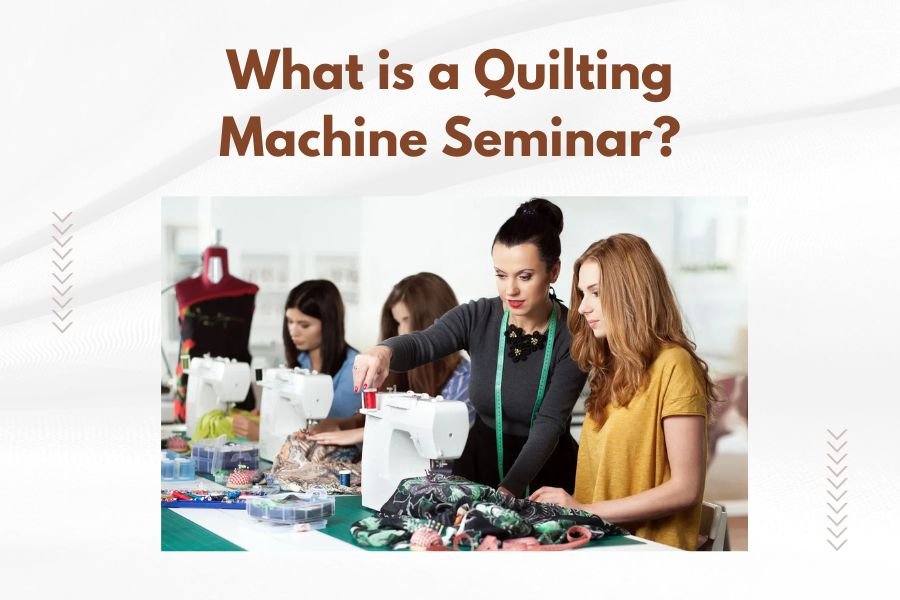
A quilting machine seminar is a hands-on workshop where quilting enthusiasts learn new techniques, explore machine features, and practice skills with expert guidance. These seminars typically last 1-3 days and cover everything from basic machine operation to advanced quilting patterns.
You’ll find quilting machine seminars at fabric stores, community colleges, and quilt shops nationwide, offering both beginner-friendly sessions and specialized workshops for experienced quilters.
What Happens During a Quilting Machine Seminar
Picture walking into a room filled with humming sewing machines and excited quilters. That’s your typical quilting machine seminar. You get hands-on practice time with professional machines you might not own.
Most seminars start with machine basics. The instructor shows you proper threading, tension settings, and needle selection. You practice these steps yourself while getting immediate feedback.
The middle portion focuses on technique building. You might learn free-motion quilting, straight-line patterns, or decorative stitches. Each participant works at their own pace on sample projects.
Typical Daily Schedule
Morning sessions usually cover theory and demonstration. You watch the instructor work through techniques step by step. Afternoon sessions are all about practice.
Most seminars include short breaks every hour. This gives your eyes and hands rest while letting you chat with other quilters.
Types of Quilting Machine Seminars Available
Beginner Machine Classes
Never touched a quilting machine? These seminars start from square one. You learn basic machine parts, simple stitches, and safety rules.
The pace stays relaxed. Instructors expect questions and take time to help each person individually.
Brand-Specific Workshops
Companies like Brother, Janome, and Bernina host seminars focused on their machines. You get deep training on specific features and software.
These workshops often showcase the latest models. You might discover features you didn’t know your machine had.
Software Training Sessions
Modern quilting machines use embroidery software. These technical seminars teach digitizing, editing designs, and file management.
Bring your laptop if the seminar allows it. Working on your own computer helps you remember the steps later.
Technique-Focused Seminars
Want to master free-motion quilting? There’s a seminar for that. Looking to improve your binding techniques? You’ll find specialized classes.
These seminars assume you know machine basics. They jump straight into advanced skills and troubleshooting.
Free-Motion Quilting Workshops
Free-motion quilting feels like drawing with thread. These seminars teach you to move fabric smoothly while maintaining even stitches.
Expect your first attempts to look wobbly. That’s normal. The instructor will show you exercises to build muscle memory.
Longarm Machine Training
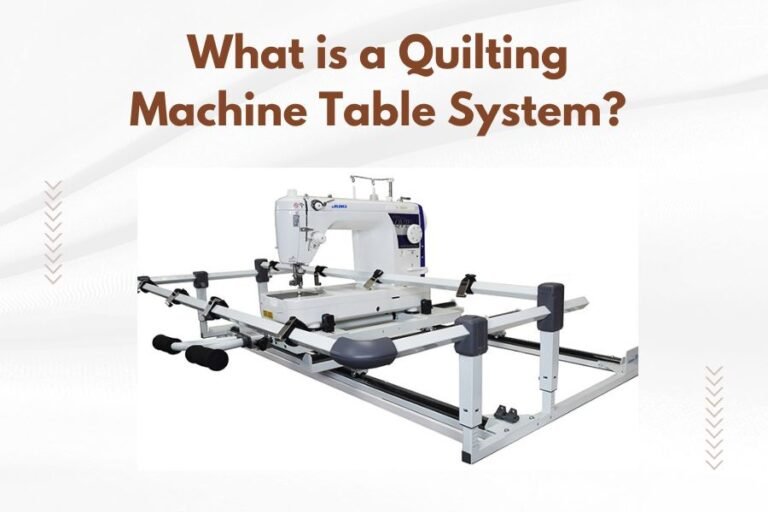
Longarm machines are the big workhorses of quilting. These seminars teach you to operate large frame systems and pantograph patterns.
Many longarm seminars happen at quilt shops that rent machine time. You learn while working on your own quilt projects.
Who Should Attend Quilting Machine Seminars
Complete Beginners
Never quilted before? Seminars give you structured learning without the overwhelm. You get to try expensive machines before buying one.
Beginning seminars move slowly. You won’t feel rushed or left behind like you might with online tutorials.
Self-Taught Quilters
YouTube taught you the basics, but you’re stuck on certain techniques? Seminars fill those knowledge gaps.
You might discover you’ve been doing something the hard way for years. Instructors often share time-saving shortcuts.
Machine Owners Seeking Advanced Skills
You own a great machine but only use 20% of its features. Sound familiar? Advanced seminars unlock your machine’s full potential.
Many quilters attend seminars years after buying their machines. They leave wondering why they waited so long.
What You Learn in Different Seminar Levels
| Skill Level | Topics Covered | Duration | Cost Range |
|---|---|---|---|
| Beginner | Machine basics, straight quilting, simple patterns | 4-8 hours | $50-$150 |
| Intermediate | Free-motion techniques, decorative stitches, troubleshooting | 1-2 days | $150-$300 |
| Advanced | Complex patterns, software mastery, professional techniques | 2-3 days | $300-$600 |
Hands-On Practice Time
The best seminars give you plenty of machine time. You need to feel the fabric moving through your hands and hear how proper tension sounds.
Some seminars provide practice fabric and thread. Others ask you to bring your own supplies.
Where to Find Quilting Machine Seminars
Local Quilt Shops
Your neighborhood quilt shop probably hosts monthly seminars. These tend to be small, friendly groups where you get personal attention.
Shop-based seminars often offer discounts on supplies or machines. You might save money on your next purchase.
Community Colleges and Learning Centers
Many community colleges offer quilting as part of their continuing education programs. These seminars usually cost less than private workshops.
College seminars might span several weeks with shorter sessions. This gives you time to practice between meetings.
Library and Community Center Programs
Some libraries host quilting seminars in their maker spaces. These are often free or very low cost.
Equipment quality varies at community programs. But you can’t beat the price for trying out quilting.
Quilt Shows and Conventions
Large quilt shows feature seminars with nationally known instructors. You get exposure to cutting-edge techniques and trends.
Convention seminars fill up fast. Register early if you have your eye on a popular instructor or topic.
Costs and What’s Usually Included
Seminar Fees
Basic seminars start around $50 for a half-day session. Multi-day workshops with famous instructors can cost $500 or more.
Factor in materials, meals, and travel if the seminar isn’t local. Costs add up quickly for specialty workshops.
What’s Typically Provided
Most seminars include machine use during class time. You don’t need to bring your own quilting machine.
Some seminars provide all supplies. Others give you a shopping list of items to bring or buy.
Take-Home Materials
You usually keep any practice pieces you make during the seminar. Many workshops include printed handouts or digital resources.
Some seminars offer follow-up support through email or online forums. This helps when you practice at home later.
How to Choose the Right Seminar for You
Assess Your Current Skill Level Honestly
Don’t jump into advanced seminars if you struggle with basic techniques. You’ll feel frustrated and waste your money.
When in doubt, call the organizer. Describe your experience level and ask for their recommendation.
Consider Your Goals
Are you shopping for a new machine? Brand-specific seminars let you test drive different models.
Want to finish existing projects? Look for seminars focused on completion techniques and binding methods.
Time and Schedule Constraints
Weekend workshops work great if you have a regular job. Evening classes might fit better for parents with school-age kids.
Multi-day intensives give you deeper learning but require more time commitment.
Preparing for Your First Quilting Machine Seminar
What to Bring
Read the supply list carefully. Bring a notebook and pen for taking notes during demonstrations.
Pack snacks and a water bottle. Learning new skills makes you hungrier and thirstier than you expect.
Setting Expectations
Your first attempts won’t look perfect. That’s completely normal and expected.
Focus on understanding the process rather than creating masterpieces. Perfection comes with practice over time.
Questions to Ask During the Seminar
Don’t hesitate to ask for help when you’re stuck. Instructors expect questions and want you to succeed.
Ask about practice recommendations for home. Many techniques need repetition to stick in your memory.
Making the Most of Your Seminar Experience
Arrive Early and Stay Engaged
Getting there early lets you choose a good seat and introduce yourself to the instructor.
Put your phone away during demonstrations. You’ll miss important details while distracted.
Network with Other Participants
The other quilters in your seminar become your practice partners and future friends.
Exchange contact information with people whose work you admire. You might arrange regular quilting meetups.
Take Photos and Notes
Ask permission before photographing the instructor’s work or techniques.
Write down machine settings that work well for you. You’ll forget these details within a week if you don’t record them.
After the Seminar: Continuing Your Learning
Practice Within a Week
Use your new skills within seven days or they start fading from memory.
Set aside dedicated practice time rather than hoping you’ll find moments here and there.
Join Online Communities
Many seminar instructors have social media groups where students share progress and ask questions.
Online quilting forums help you troubleshoot problems when you practice at home.
Conclusion
Quilting machine seminars offer structured learning that’s hard to replicate through solo practice or online videos. You get immediate feedback, hands-on experience with professional equipment, and connection with fellow quilters who share your interests.
Whether you’re picking up your first quilting machine or looking to master advanced techniques, seminars provide the guidance and practice time you need to grow your skills. The investment in professional instruction pays dividends in improved technique, confidence, and finished projects you’ll treasure for years.
Start with a beginner-friendly local workshop to get your feet wet. As your skills and confidence grow, you can tackle more specialized seminars that push your abilities to new levels.
How long do quilting machine seminars usually last?
Most quilting machine seminars run 4-8 hours for basic workshops, while advanced seminars can span 2-3 full days. Weekend workshops are popular, offering intensive learning without weekday scheduling conflicts.
Do I need to own a quilting machine to attend a seminar?
No, seminars typically provide machines for all participants during class time. This actually benefits beginners who want to try different machine types before making a purchase decision.
What’s the difference between online quilting tutorials and in-person seminars?
Seminars offer immediate instructor feedback, hands-on practice with professional equipment, and real-time troubleshooting when problems arise. You also gain networking opportunities with other quilters in your area.
Are quilting machine seminars worth the cost for hobby quilters?
Yes, seminars often prevent costly mistakes and teach time-saving techniques that quickly offset the registration fee. You also avoid developing bad habits that are harder to correct later.
Can children attend quilting machine seminars with adults?
Age policies vary by organizer and venue. Some workshops welcome teens with adult supervision, while others restrict attendance to adults only for safety reasons around machinery. Always check the specific seminar’s age requirements before registering.