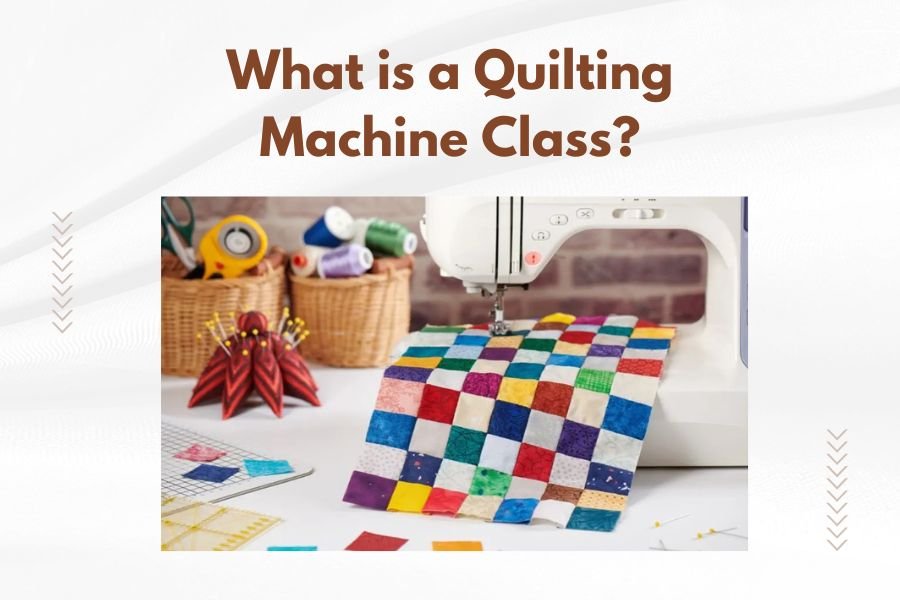
A quilting machine class is a structured learning program where you learn to operate long-arm quilting machines or domestic quilting machines through hands-on instruction and practice.
These classes teach you essential skills like loading fabric, creating stitch patterns, and finishing quilted projects using specialized quilting machine equipment.
Who Should Take a Quilting Machine Class
You might wonder if a quilting machine class is right for you. The answer depends on your current skill level and goals.
If you’ve been hand quilting for years, a machine class opens up new possibilities. You’ll finish projects faster and create designs that would take months by hand.
Complete beginners benefit too. Starting with proper technique saves you from developing bad habits that slow you down later.
Perfect Candidates for Machine Quilting Classes
- Hand quilters wanting to speed up their process
- Sewers ready to expand into quilting
- People who inherited quilting machines and need guidance
- Crafters looking for a relaxing hobby with practical results
- Small business owners wanting to offer quilting services
Types of Quilting Machine Classes Available
Not all quilting machine classes are the same. I found that most fall into three main categories, each serving different needs.
Long-Arm Quilting Machine Classes
These classes focus on large, professional-style machines. You’ll learn to quilt entire bed-sized projects in one piece.
Long-arm classes typically run 2-4 days. The machines can be intimidating at first, but instructors break everything down step by step.
What You’ll Learn in Long-Arm Classes
- Loading quilt tops, batting, and backing fabric
- Adjusting thread tension for different materials
- Creating free-motion quilting designs
- Using pantographs for repeated patterns
- Troubleshooting common threading and tension issues
Domestic Machine Quilting Classes
These use regular sewing machines with quilting attachments. You’ll work on smaller sections and piece them together.
Domestic machine classes are more affordable and use equipment you might already own. Perfect for testing the waters before investing in bigger machines.
Key Skills in Domestic Machine Classes
- Installing walking feet and free-motion quilting feet
- Managing large quilts through small machine spaces
- Creating straight-line quilting patterns
- Binding edges professionally
- Working with different thread weights and types
Specialty Technique Classes
These focus on specific quilting methods rather than machine types. Think of them as advanced workshops.
From what I read, popular specialty classes include trapunto quilting, thread painting, and modern geometric designs.
What Happens During Your First Class
Walking into your first quilting machine class can feel overwhelming. Here’s what typically happens so you know what to expect.
Machine Orientation and Safety
Your instructor starts with machine basics. You’ll learn where every button and lever is located.
Safety comes first. Quilting machines are powerful, and proper handling prevents injuries and machine damage.
Essential Safety Rules You’ll Learn
- Always turn off the machine when threading
- Keep fingers away from the needle area
- Use proper posture to avoid back strain
- Secure loose clothing and jewelry
- Know where the emergency stop button is located
Threading and Setup Practice
You’ll thread the machine multiple times during class. It seems simple, but proper threading prevents most quilting problems.
Expect to make mistakes. Everyone does initially. The goal is building muscle memory through repetition.
Common Threading Challenges for Beginners
- Missing thread guides along the path
- Incorrect bobbin insertion
- Wrong tension settings for different threads
- Forgetting to raise the presser foot when threading
Essential Skills You’ll Master
Every quilting machine class covers fundamental skills that form the foundation for all future projects.
Fabric Loading and Positioning
Getting your quilt sandwich positioned correctly determines your entire project’s success. You’ll practice this repeatedly until it becomes second nature.
Most beginners struggle with keeping layers smooth and aligned. Your instructor will show you professional tricks that prevent puckering and shifting.
Stitch Regulation and Speed Control
Modern quilting machines have speed controls, but you need to learn how fast works best for different techniques.
Slow stitching gives you more control for detailed work. Faster speeds work well for straight lines and simple patterns.
Speed Guidelines for Different Techniques
| Technique | Recommended Speed | Why This Speed |
|---|---|---|
| Free-motion quilting | Medium-slow | Better pattern control |
| Straight line quilting | Medium-fast | Consistent stitch length |
| Detailed thread work | Slow | Precision and accuracy |
| Large fill patterns | Fast | Efficiency and rhythm |
Pattern Recognition and Planning
You’ll learn to visualize quilting patterns before you start stitching. This prevents costly mistakes on expensive fabrics.
Planning your quilting path saves time and reduces thread changes. Smart quilters think like efficient drivers planning the shortest route.
Class Formats and Learning Styles
Quilting machine classes come in various formats. Choose the style that matches how you learn best.
Hands-On Workshop Style
These classes put you at a machine from day one. You’ll make mistakes, but you’ll also build confidence quickly.
I found that hands-on learning works best for people who learn by doing rather than watching demonstrations.
Demonstration and Practice Format
The instructor demonstrates each technique, then you practice on your machine. This slower approach suits people who prefer understanding theory before jumping in.
Benefits of Demonstration-First Learning
- You see correct technique before developing bad habits
- Questions get answered before you make mistakes
- Less fabric waste during learning process
- Better understanding of why techniques work
Small Group vs Individual Instruction
Group classes cost less and let you learn from other students’ questions. Individual instruction moves at your pace and focuses on your specific interests.
Many experts say that small groups of 4-6 students offer the best balance of personal attention and collaborative learning.
What Materials and Supplies You’ll Need
Most classes provide machines and basic supplies, but you’ll want to bring certain items to make your experience better.
Required Supplies for Most Classes
- Cotton fabric pieces for practice (fat quarters work well)
- Batting samples in different weights
- Thread in various colors and weights
- Small scissors for trimming
- Notebook for taking notes and sketching patterns
Optional Items That Help
Bringing your own tools, even when not required, helps you get comfortable with equipment you’ll use at home.
- Quilting gloves for better fabric grip
- Seam ripper for fixing mistakes
- Pin cushion with quilting pins
- Small cutting mat and rotary cutter
Cost Expectations for Different Class Types
Quilting machine class prices vary widely based on location, duration, and equipment provided.
Typical Price Ranges
Basic domestic machine classes usually cost $50-150 for a day-long session. Long-arm classes run $200-500 for multi-day intensives.
Private instruction costs more but offers personalized attention. Expect to pay $40-80 per hour for one-on-one guidance.
Factors That Affect Class Pricing
- Machine type and quality provided
- Class duration and depth of instruction
- Instructor experience and reputation
- Materials and supplies included
- Location and facility overhead costs
How to Choose the Right Class for You
With so many options available, picking the right quilting machine class takes some thought.
Consider Your Current Skill Level
Be honest about what you already know. Taking a class that’s too advanced wastes money and creates frustration.
If you’ve never used a sewing machine, start with basic sewing classes before jumping into quilting machine instruction.
Think About Your Goals
Are you quilting for relaxation or planning to start a business? Your goals should drive your class selection.
Hobby quilters might prefer shorter, less intensive classes. Future professionals need comprehensive training that covers troubleshooting and efficiency techniques.
Questions to Ask Before Enrolling
- What machines will I learn on?
- How many students per instructor?
- What projects will I complete?
- Are materials provided or do I bring my own?
- Is there follow-up support after class ends?
Common Challenges New Students Face
Every quilting machine student encounters similar obstacles. Knowing about them ahead of time helps you stay motivated.
Thread Tension Problems
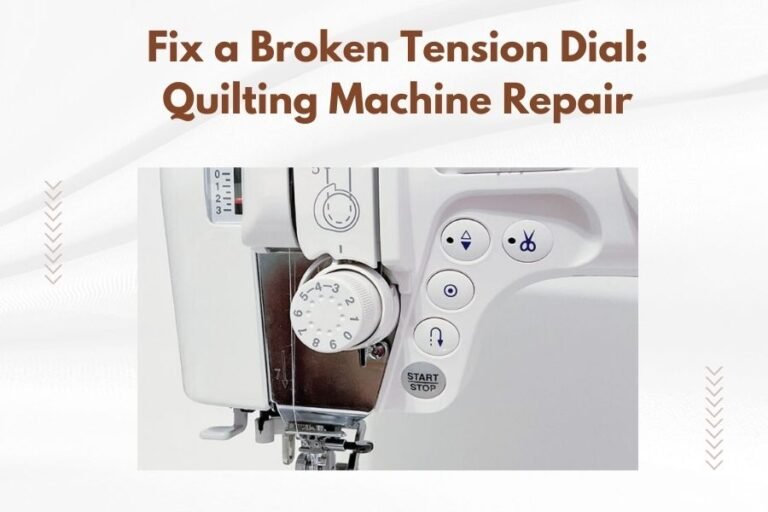
Getting thread tension right frustrates almost everyone initially. Too tight and your fabric puckers. Too loose and stitches look messy.
Your instructor will show you how different threads and fabrics require tension adjustments. Don’t worry – this becomes intuitive with practice.
Maintaining Consistent Speed
New students often speed up during easy sections and slow down during complex areas. This creates uneven stitch lengths that look unprofessional.
Practice maintaining steady speeds regardless of pattern complexity. Think of it like learning to drive with consistent pressure on the gas pedal.
Tips for Building Speed Consistency
- Practice breathing steadily while quilting
- Focus on smooth hand movements
- Start with simple patterns to build muscle memory
- Use the machine’s speed control settings
After Your First Class: Next Steps
Finishing your first quilting machine class is exciting, but it’s just the beginning of your quilting journey.
Practice Recommendations
Most instructors recommend practicing at least 30 minutes daily for the first month. This builds muscle memory and confidence.
Start with simple projects like table runners or baby quilts. Save complex patterns until you’ve mastered basic techniques.
Building Your Skills Further
Consider taking specialized classes in techniques that interest you most. Many quilting shops offer ongoing workshops for continuing education.
Online tutorials and quilting forums provide additional learning opportunities between formal classes.
Conclusion
A quilting machine class gives you structured learning that’s hard to achieve on your own. You’ll master essential techniques, avoid common mistakes, and build confidence working with powerful quilting equipment. Whether you choose domestic or long-arm instruction, these classes provide the foundation for years of enjoyable quilting projects. The investment in professional instruction pays off through improved skills, better finished projects, and the satisfaction of creating beautiful quilts efficiently. Take that first class – your future quilting self will thank you for starting with proper instruction rather than struggling alone.
How long does it take to become proficient after taking a quilting machine class?
Most students need 3-6 months of regular practice after their initial class to feel truly comfortable with their quilting machine. Daily practice for 30 minutes builds skills faster than longer weekly sessions.
Can I take a quilting machine class if I don’t own a machine yet?
Absolutely! Many students take classes specifically to try different machine types before purchasing. This helps you make informed buying decisions and understand what features matter most for your quilting style.
What’s the difference between quilting machine classes at shops versus community colleges?
Quilt shop classes typically focus on specific techniques or machine brands, while community college courses offer broader, semester-long programs. Shop classes tend to be more hands-on, while college courses may include more quilting history and theory.
Do I need any sewing experience before taking a quilting machine class?
Basic sewing skills help but aren’t always required. Many classes welcome complete beginners and start with fundamental concepts. Check with your instructor about prerequisite skills when enrolling.
How do I maintain my skills between quilting machine classes?
Join local quilting groups or online communities where you can ask questions and share projects. Many students also schedule periodic refresher sessions with instructors to polish techniques and learn new methods.