
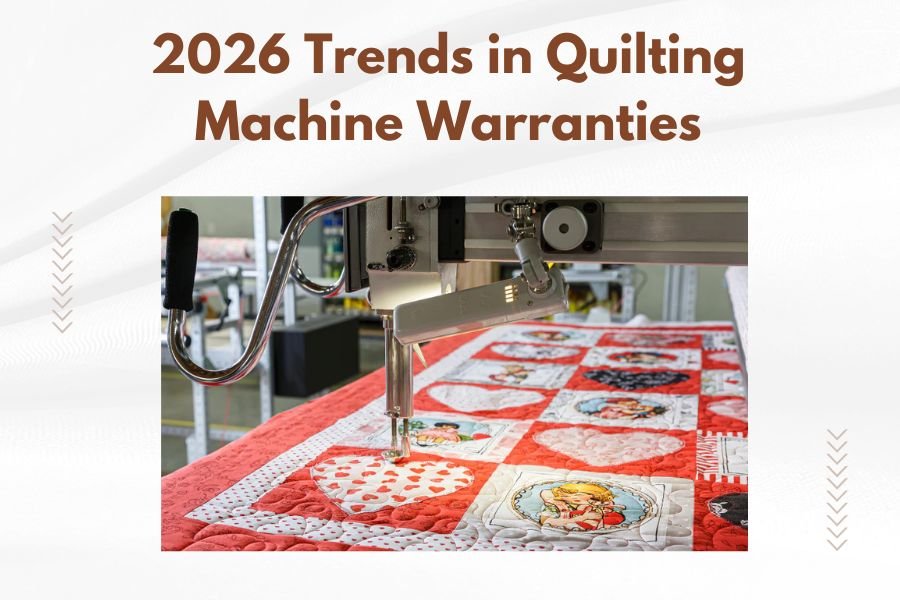
2026 quilting machine warranties will focus on extended coverage periods, smart technology protection, and comprehensive software support as manufacturers adapt to evolving customer needs.
You can expect longer warranty terms, better coverage for computerized features, and more flexible service options that protect your investment in advanced quilting technology.
What’s Driving the 2026 Warranty Revolution
The quilting industry is changing fast. Machines now have touchscreens, WiFi connectivity, and automatic threading systems. These fancy features break differently than old mechanical parts.
Manufacturers know you’re investing more money in high-tech machines. They’re responding with warranties that match the complexity of modern equipment. Smart move, right?
Technology Changes Everything
Your grandmother’s sewing machine had maybe 20 moving parts. Today’s quilting machines have hundreds of components plus software. When something goes wrong, it’s often expensive to fix.
From what I read, repair costs for computerized quilting machines can run $300-800 per incident. That’s why warranty coverage is becoming more important than ever.
Extended Coverage Periods Are Here
Remember when one-year warranties were standard? Those days are ending. Many brands are moving toward two or three-year basic coverage.
Some premium manufacturers are testing five-year warranties on their top models. It’s like buying a car warranty – they know you need time to discover problems.
What Extended Coverage Includes
Longer warranties don’t just mean more time. They often cover different things too:
- Software updates and bug fixes
- Touch screen calibration and replacement
- Motor and tension system repairs
- Computerized embroidery module protection
The Fine Print Still Matters
Don’t get too excited yet. Extended coverage often comes with conditions. You might need regular maintenance or software updates to keep your warranty valid.
Some brands require annual service visits. Others want proof you’re using genuine accessories and threads.
Smart Technology Protection
Your quilting machine probably connects to the internet now. That creates new problems manufacturers never had to worry about before.
What happens when a software update crashes your machine? Who pays if the WiFi module stops working? These questions are shaping 2026 warranty terms.
Software and Firmware Coverage
Many experts say software protection will become standard in premium warranties. This makes sense when you think about it.
Your machine’s brain is now digital. If the software fails, your $10,000 quilting machine becomes a very expensive paperweight.
Cloud Service Guarantees
Some manufacturers are starting to guarantee their cloud services too. If their design library goes down, they’ll extend your warranty or provide compensation.
It’s early days for this trend, but I found that several major brands are testing these programs.
Connectivity Module Protection
WiFi and Bluetooth modules are fragile. They break more often than mechanical parts. New warranties are starting to treat them like essential components.
This protection usually covers replacement and reconfiguration. Some even include tech support for connection problems.
Service Options Are Getting Flexible
Nobody wants to ship their quilting machine across the country for a simple repair. Manufacturers are finally listening.
Mobile repair services are expanding. Video troubleshooting is becoming standard. Some brands even offer loaner machines during major repairs.
In-Home Service Programs
This is where warranties get interesting. Instead of you bringing the machine to them, certified technicians come to your sewing room.
Research shows that in-home service costs manufacturers more, but it creates happier customers. Happy customers buy more machines.
Remote Diagnostics
Your machine can now phone home when something goes wrong. Technicians can often fix software problems without touching your equipment.
This saves everyone time and money. It also means faster repairs for you.
Loaner Machine Programs
Some manufacturers offer loaner machines during warranty repairs. It’s like getting a rental car while yours is in the shop.
I came across several quilting studios that only buy from brands offering this service. It keeps their business running during downtime.
Parts and Labor Cost Coverage
Traditional warranties covered parts but charged labor fees. That’s changing as machines become more complex to repair.
Labor costs can exceed parts costs on computerized machines. Smart manufacturers are bundling both into their warranty programs.
Inflation Protection Clauses
This might surprise you. Some 2026 warranties include inflation protection for out-of-warranty repairs.
If you buy a machine today, parts costs are locked in for several years. It protects you from supply chain price increases.
Genuine Parts Guarantees
Warranty repairs will only use manufacturer-approved parts. This costs more upfront but maintains your machine’s performance and remaining warranty coverage.
| Warranty Feature | 2024 Standard | 2026 Trend |
|---|---|---|
| Basic Coverage Period | 1 Year | 2-3 Years |
| Software Protection | Limited | Comprehensive |
| Service Location | Dealer Only | In-Home Available |
| Labor Coverage | Separate Fee | Included |
International Coverage Expansion
Do you travel with your quilting machine? More people do these days for retreats and classes.
International warranty coverage is expanding. Your machine bought in Texas can get service in Canada or Europe.
Global Service Networks
Major manufacturers are building worldwide service partnerships. It’s like having AAA for your quilting machine.
This trend started with industrial machines but is moving into consumer models.
Environmental and Sustainability Coverage
Green manufacturing affects warranties too. Some brands now guarantee their machines meet environmental standards throughout the warranty period.
This includes energy efficiency ratings and recyclability of replaced parts. It’s not just marketing – there are real benefits.
Trade-In Value Protection
A few manufacturers are testing trade-in value guarantees. If you upgrade within the warranty period, they guarantee minimum trade-in credit.
It’s similar to car lease programs. You know exactly what your machine will be worth in two or three years.
Choosing the Right Warranty for You
Not every quilter needs the same warranty coverage. A hobbyist has different needs than someone running a quilting business.
Think about how you use your machine. Do you quilt daily or just on weekends? Are you hard on equipment or gentle?
Business vs. Personal Use
Commercial warranties cost more but offer faster service and better coverage. If your income depends on your machine, it’s worth the extra cost.
Personal use warranties are getting better too. Many now include features that used to be commercial-only.
Extended Warranty Options
You can often buy additional coverage beyond the standard warranty. Prices range from $200-800 depending on your machine’s value.
Do the math before buying. Sometimes setting aside the warranty cost in a savings account makes more sense.
What to Watch Out For
Better warranties sometimes come with more restrictions. Read the fine print carefully.
Some require specific thread brands or regular professional cleaning. Others void coverage if you use aftermarket accessories.
Maintenance Requirements
Many extended warranties require proof of regular maintenance. Keep all your service records organized.
Missing a required service appointment could void your entire warranty. Set calendar reminders.
Usage Limitations
Some warranties have hour limits or stitch count maximums. Business users need to pay attention to these restrictions.
Going over the limits doesn’t always void your warranty, but it might reduce coverage or increase deductibles.
Conclusion
2026 quilting machine warranties are adapting to our high-tech world. You’ll see longer coverage periods, better software protection, and more flexible service options. These changes reflect the reality that modern quilting machines are sophisticated computers, not simple mechanical tools. Choose warranty coverage that matches how you actually use your equipment. The extra investment in comprehensive warranty protection often pays for itself with just one major repair. Stay informed about these trends, and you’ll make better decisions when buying your next quilting machine.
How long will 2026 quilting machine warranties typically last?
Most manufacturers are moving toward 2-3 year standard warranties, with some premium brands offering up to 5 years on their top models. This represents a significant increase from the traditional 1-year coverage that was standard just a few years ago.
Will software problems be covered under new warranty terms?
Yes, comprehensive software protection is becoming standard in 2026 warranties. This includes coverage for firmware updates, software crashes, and digital feature malfunctions that weren’t typically covered in older warranty agreements.
Can I get my quilting machine serviced at home under warranty?
Many manufacturers are now offering in-home service as part of their warranty programs. Mobile technicians can handle most repairs in your sewing room, eliminating the need to transport heavy machines to service centers.
Do extended warranties cover both parts and labor costs?
The trend is moving toward comprehensive coverage that includes both parts and labor. Previously, many warranties covered parts but charged separate labor fees, which could be expensive for complex computerized machine repairs.
Are international repairs covered if I travel with my machine?
International coverage is expanding, with major manufacturers building global service networks. Your warranty may now provide service in multiple countries, though specific coverage varies by brand and warranty level.
