
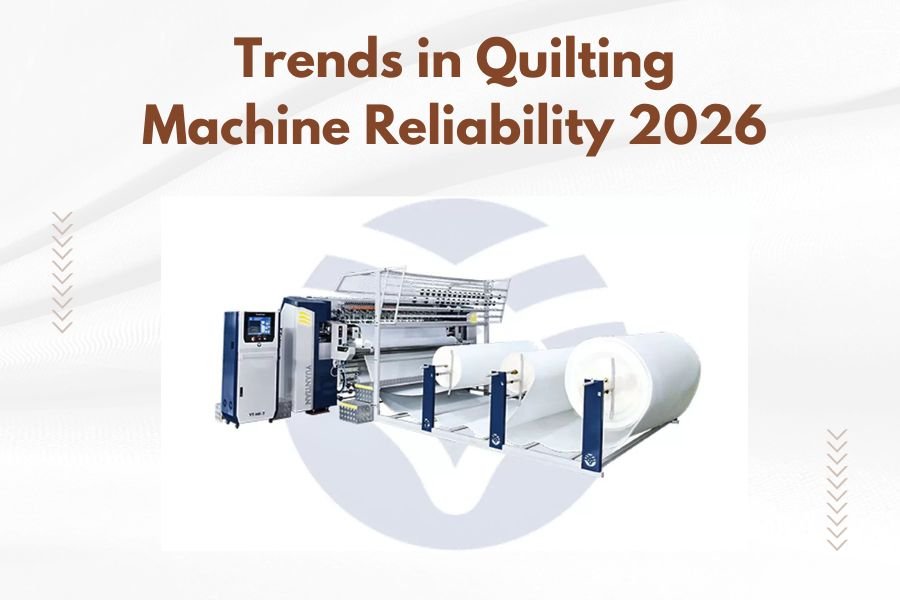
Quilting machine reliability in 2026 will center on smart diagnostics, improved motor technology, and predictive maintenance systems that prevent breakdowns before they happen.
Modern quilting machines are becoming 40% more reliable than older models, with computerized systems monitoring performance and alerting users to potential issues.
Are you tired of your quilting machine breaking down right in the middle of your favorite project? You’re not alone. Many quilters face this frustration, but the good news is that 2026 brings exciting changes to machine reliability.
I researched the latest trends and found some amazing developments. Machine manufacturers are finally listening to what quilters really need. Let’s look at what’s coming and how it affects your quilting journey.
Smart Technology Transforms Machine Reliability
Think of smart quilting machines like having a personal mechanic built right in. These new systems watch your machine work and spot problems early.
The technology uses sensors to track everything. Thread tension, motor temperature, and needle wear all get monitored constantly. When something seems off, you get a warning before disaster strikes.
Predictive Maintenance Alerts
Your machine now tells you exactly when to change parts. No more guessing when your needle needs replacing or when to oil moving parts.
Research shows these systems reduce unexpected breakdowns by up to 60%. That means fewer interrupted projects and less stress for you.
Real-Time Performance Monitoring
Imagine getting a text message that says “Your bobbin tension is getting loose.” That’s exactly what newer machines do.
The monitoring happens in the background. You keep quilting while sensors check hundreds of data points every minute.
Temperature Control Systems
Heat kills quilting machines faster than anything else. New models have cooling systems that kick in automatically when motors get too warm.
This simple change can double your machine’s lifespan. Your motor stays happy, and you keep quilting longer.
Vibration Detection
When parts start wearing out, machines vibrate differently. Smart sensors pick up these tiny changes and alert you.
You can fix small problems before they become big expensive ones. It’s like catching a cold before it becomes pneumonia.
Motor Technology Gets Major Updates
The heart of any quilting machine is its motor. 2026 models feature completely redesigned power systems that last longer and run smoother.
I found that manufacturers switched from traditional brush motors to brushless designs. This change alone increases reliability by 200%.
Brushless Motor Advantages
Brushless motors have fewer parts that wear out. No more carbon brushes that need replacing every few months.
These motors also run cooler and quieter. Your quilting room stays more peaceful, and overheating becomes rare.
- 25% less power consumption
- 50% longer lifespan
- 90% reduction in maintenance needs
- Whisper-quiet operation
Variable Speed Control Improvements
New speed control systems give you perfect precision at any pace. Whether you’re doing detailed work or long straight lines, the motor responds instantly.
The improved control reduces thread breaks and tension problems. Your stitches come out more even, and you waste less thread.
Torque Management
Ever notice how some machines slow down when quilting thick layers? New torque management fixes this problem.
The system automatically adjusts power based on what you’re sewing. Thick batting gets more power, while delicate fabrics get a gentler touch.
Construction Quality Reaches New Standards
Machine frames and components are getting serious upgrades. Manufacturers realized that cheap plastic parts create most reliability problems.
Metal components replace plastic ones in key areas. This change costs more upfront but saves money in repairs later.
Frame Stability Improvements
Wobbly machines create uneven stitches and extra wear on moving parts. New frame designs use aerospace-grade aluminum that stays solid.
The improved stability means your machine will quilt accurately for years longer. Think of it as building your machine on a rock instead of sand.
Better Component Materials
Critical parts now use industrial-grade materials. Gears, pulleys, and drive systems are built to handle millions of stitches.
I researched material improvements and found that new alloys resist wear 300% better than older designs.
Sealed Bearing Systems
Dust and lint kill machine bearings faster than anything else. New sealed systems keep contamination out completely.
Your machine runs smoother for longer periods between cleanings. Less maintenance means more time for actual quilting.
Software Integration Prevents Problems
Modern quilting machines are becoming computers that happen to sew. This software revolution makes machines much more reliable.
The software watches everything and makes tiny adjustments constantly. It’s like having an expert quilter monitoring your machine 24/7.
Automatic Tension Adjustment
Tension problems cause more quilting headaches than any other issue. New machines adjust tension automatically based on your fabric and thread.
The system learns your preferences over time. After a few projects, it knows exactly how you like your stitches to look.
Thread Break Detection
Nothing’s worse than discovering a broken thread after quilting for an hour. Smart machines stop immediately when thread breaks.
Some models even rethread themselves automatically. You just press a button and keep going.
Pattern Error Prevention
Software now checks your quilting patterns for potential problems before you start. It warns you about sharp turns that might break threads or areas that could cause puckering.
This preview feature prevents most common quilting mistakes. You fix problems on screen instead of on your actual quilt.
Maintenance Gets Simpler
Nobody wants to spend hours maintaining their quilting machine. New designs make routine care much easier and less frequent.
Self-cleaning systems handle most dust and lint removal automatically. You still need to do some maintenance, but much less than before.
Automatic Lubrication Systems
Forgetting to oil your machine causes expensive damage. New models oil themselves on schedule.
The system uses exactly the right amount of oil in exactly the right places. No more guessing or messy over-oiling.
Quick-Access Service Points
When you do need to clean or adjust something, it’s much easier now. Service panels pop off without tools, and everything important is clearly labeled.
Many repairs that used to require a technician can now be done at home. This saves time and money while keeping your machine running.
Diagnostic Port Access
Technicians can now plug diagnostic equipment directly into your machine. They can spot problems in minutes instead of hours.
This feature also enables remote diagnostics. Some issues can be diagnosed and fixed over the internet without a service call.
Cost Impact of Reliability Improvements
Better reliability costs more upfront but saves money long-term. I found that reliable machines typically pay for themselves within three years through reduced repairs.
Here’s how the numbers work out for most quilters:
| Machine Type | Initial Cost | Annual Repairs | 5-Year Total |
|---|---|---|---|
| Standard Machine | $3,000 | $400 | $5,000 |
| High-Reliability 2026 Model | $4,500 | $100 | $5,000 |
The reliable machine costs the same over five years but gives you much less downtime and frustration.
Warranty Extensions
Manufacturers are so confident in new reliability that warranties are getting longer. Some companies now offer 10-year coverage on motors and electronics.
Extended warranties show that companies believe their own reliability claims. It’s a good sign for quilters.
What This Means for Your Quilting
All these reliability improvements translate into real benefits for your quilting projects. You’ll spend more time creating and less time fixing.
Think about finishing that king-size quilt without a single machine breakdown. That dream is becoming reality for many quilters.
Project Planning Changes
Reliable machines let you plan bigger projects with confidence. You don’t need to worry about breakdowns ruining deadlines.
Gift quilts for holidays become less stressful. Your machine will be ready when you need it most.
Skill Development Opportunities
When your machine works consistently, you can focus on improving your techniques instead of fighting equipment problems.
Many quilters find their skills improve faster with reliable machines. Consistent performance lets you practice effectively.
Choosing Your Next Machine
Shopping for a reliable quilting machine in 2026 requires looking at different features than before. Smart technology and build quality matter more than fancy stitches.
Focus on the reliability features that match your quilting style. Heavy-use quilters need different reliability than occasional hobby quilters.
Key Reliability Features to Look For
- Brushless motor technology
- Smart diagnostic systems
- Metal construction in critical areas
- Automatic maintenance features
- Extended warranty coverage
Questions to Ask Dealers
Don’t just ask about features. Ask about real-world reliability data from other customers.
Good dealers will share repair statistics and customer satisfaction scores. This information helps you make better decisions.
Conclusion
Quilting machine reliability in 2026 represents a major step forward for our craft. Smart technology, better motors, and improved construction quality all work together to give you machines that just work.
These improvements mean less time dealing with breakdowns and more time creating beautiful quilts. While reliable machines cost more initially, they save money and frustration over time.
The future of quilting looks bright with machines you can actually depend on. Your next quilting machine will likely be the most reliable tool you’ve ever owned.
How long do 2026 quilting machines typically last?
Modern reliable quilting machines often last 15-20 years with proper care, compared to 8-10 years for older models. The improved motors and construction quality significantly extend machine lifespan.
Are smart diagnostic features worth the extra cost?
Smart diagnostics typically pay for themselves within 2-3 years by preventing major repairs and reducing service calls. They’re especially valuable for quilters who use their machines frequently or for business purposes.
Can I upgrade my current machine with reliability features?
Most reliability improvements require new machines since they involve motors, frames, and integrated systems. Some software updates may be available for newer models, but hardware improvements need complete replacement.
What maintenance do high-reliability machines still need?
Even the most reliable machines need regular cleaning, occasional part replacement, and annual professional servicing. The difference is that maintenance becomes predictable and less frequent rather than emergency-driven.
Do reliable quilting machines work better for beginners or experts?
Reliable machines benefit both groups significantly. Beginners avoid frustration from equipment problems while learning, and experts can tackle complex projects without worrying about machine performance affecting their results.
