
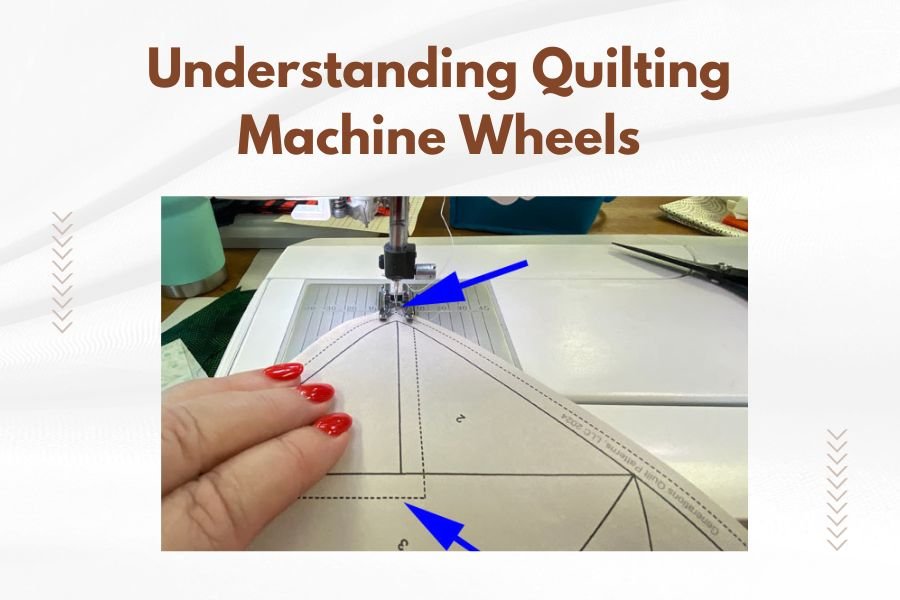
Quilting machine wheels are the circular components that allow your quilting machine to move smoothly across fabric surfaces, enabling precise stitching patterns and consistent tension control.
These wheels come in different materials like rubber, plastic, or metal, and their condition directly affects your quilting quality, fabric handling, and overall machine performance.
What Are Quilting Machine Wheels
Think of quilting machine wheels as the tires on your car. They’re the round parts that make contact with surfaces and help your machine glide smoothly. Without properly functioning wheels, your quilting machine would struggle to maintain straight lines or consistent pressure.
Most quilting machines have several types of wheels working together. You’ll find wheels on the carriage system, the fabric advance mechanism, and sometimes on the quilting head itself.
Primary Wheel Functions
Your quilting machine wheels serve three main purposes. First, they provide smooth movement across your quilting frame or tracks. Second, they help maintain consistent fabric tension. Third, they reduce friction that could damage your fabric or machine.
When wheels work correctly, you barely notice them. When they don’t, every quilting session becomes frustrating.
Types of Quilting Machine Wheels
Different quilting machines use various wheel designs. Let me break down what you’ll commonly encounter.
Rubber Wheels
Rubber wheels offer excellent grip and smooth rolling action. They’re quiet during operation and provide good traction on metal rails or fabric surfaces. However, rubber can wear down over time and may leave marks if they get dirty.
Many quilters prefer rubber wheels for their reliability and smooth performance.
Plastic Wheels
Plastic wheels are lightweight and cost-effective. They resist moisture and clean easily. But they can become brittle with age and may not provide the same smooth rolling action as rubber alternatives.
You’ll often find plastic wheels on entry-level quilting machines.
Metal Wheels
Metal wheels last the longest and handle heavy use well. They maintain their shape and provide consistent performance. The downside? They can be noisier and may scratch delicate surfaces if not properly maintained.
Ball Bearing Wheels
Some high-end quilting machines feature ball bearing wheels. These offer the smoothest operation and longest lifespan. They’re worth the investment if you quilt frequently.
Common Wheel Problems You’ll Face
After researching common quilting machine issues, I found that wheel problems cause many quilting frustrations. Here’s what to watch for.
Worn or Flat Spots
Wheels develop flat spots from sitting in one position too long or from heavy use. You’ll notice bumpy movement or inconsistent stitching patterns.
Flat spots make your machine jump or skip, ruining your quilting lines.
Dirt and Lint Buildup
Fabric lint, dust, and thread bits stick to wheels. This buildup affects rolling smoothness and can transfer to your quilting projects.
Regular cleaning prevents most dirt-related wheel problems.
Misalignment Issues
Wheels can shift out of proper alignment from regular use or accidental bumps. Misaligned wheels cause uneven movement and put stress on your machine’s motor.
Signs of Misalignment
Your machine pulls to one side, makes unusual noises, or requires more effort to move. These symptoms usually point to wheel alignment problems.
How to Maintain Your Quilting Machine Wheels
Proper wheel maintenance keeps your quilting machine running smoothly for years. Here’s your step-by-step care routine.
Regular Cleaning Schedule
Clean your wheels after every 10-15 hours of quilting. Use a soft brush or lint-free cloth to remove debris. For stubborn buildup, slightly dampen the cloth with rubbing alcohol.
Never use harsh chemicals or abrasive cleaners on your wheels.
Lubrication Guidelines
Some wheels need occasional lubrication, but check your manual first. Over-lubrication attracts more dirt and lint.
When lubrication is needed, use only the products recommended by your machine manufacturer.
Storage Tips
Store your quilting machine in a clean, dry location. Cover it to prevent dust accumulation on the wheels and other components.
If storing long-term, slightly move the machine periodically to prevent flat spots on the wheels.
When to Replace Quilting Machine Wheels
Wheels don’t last forever. Knowing when to replace them saves you from quilting headaches.
Replacement Warning Signs
Replace wheels when you notice visible flat spots, cracks, or chunks missing. Excessive wobbling or rough rolling action also indicates replacement time.
Don’t wait until wheels completely fail. Damaged wheels can harm other machine components.
Finding the Right Replacement Wheels
Always buy wheels designed for your specific quilting machine model. Generic wheels might fit but could affect performance or void your warranty.
Contact your machine manufacturer or authorized dealers for genuine replacement parts.
Installation Considerations
Some wheel replacements are simple DIY jobs. Others require professional service. Check your manual or consult with a qualified technician.
Improper installation can damage your machine or create safety hazards.
Wheel Upgrades Worth Considering
Upgrading your quilting machine wheels can improve performance and extend machine life.
Premium Wheel Materials
High-quality rubber or ball bearing wheels offer smoother operation and longer life than standard plastic wheels. The investment often pays off in reduced maintenance and better quilting results.
Specialized Wheel Designs
Some aftermarket wheels feature improved designs for specific quilting needs. Research options compatible with your machine model.
| Wheel Type | Pros | Cons | Best For |
|---|---|---|---|
| Rubber | Quiet, smooth rolling, good grip | Can wear down, may mark surfaces | General quilting use |
| Plastic | Lightweight, moisture resistant, affordable | Can become brittle, less smooth | Light use, budget machines |
| Metal | Very durable, maintains shape | Noisy, may scratch surfaces | Heavy use, industrial quilting |
| Ball Bearing | Smoothest operation, longest lasting | Higher cost | Professional quilting |
Troubleshooting Wheel-Related Issues
When your quilting machine acts up, wheels are often the culprit. Here’s how to diagnose and fix common problems.
Machine Pulls to One Side
This usually means one or more wheels have issues. Check for debris, wear, or alignment problems. Clean all wheels thoroughly and inspect for damage.
Jerky or Bumpy Movement
Flat spots or debris on wheels cause jerky motion. Clean the wheels first, then inspect for wear patterns. Replace any wheels with visible damage.
Excessive Noise During Operation
Noisy wheels often need cleaning or lubrication. Metal wheels naturally make more noise, but sudden increases in noise levels indicate problems.
Professional Wheel Services
Sometimes wheel problems require professional attention. Don’t hesitate to seek expert help when needed.
When to Call a Technician
Call for service if wheel problems persist after cleaning and basic maintenance. Complex alignment issues or internal wheel mechanisms need professional tools and expertise.
Annual professional maintenance can prevent many wheel-related problems.
Cost Considerations for Wheel Maintenance
Understanding wheel maintenance costs helps you budget for quilting machine upkeep.
Replacement Wheel Prices
Basic plastic wheels might cost $10-20 each. Premium rubber or ball bearing wheels can range from $25-75 per wheel. Factor in labor costs if professional installation is needed.
Buying genuine manufacturer parts costs more upfront but often provides better long-term value.
Maintenance vs Replacement
Regular maintenance costs little but saves money on premature wheel replacement. A $50 annual service can prevent hundreds in repair costs.
Conclusion
Your quilting machine wheels play a bigger role in quilting success than most people realize. These simple components enable smooth movement, consistent tension, and reliable performance that makes beautiful quilts possible. By understanding the different wheel types, maintaining them properly, and replacing them when necessary, you’ll keep your quilting machine running smoothly for years to come.
Remember that wheel problems often have simple solutions. Regular cleaning, proper storage, and timely replacement prevent most issues. When in doubt, consult your machine manual or seek professional help. Your quilts will thank you for the attention you give to these small but important parts.
What’s the average lifespan of quilting machine wheels?
Most quilting machine wheels last 2-5 years with regular use, but this varies greatly depending on wheel material, usage frequency, and maintenance quality. Rubber wheels typically last longer than plastic ones, while ball bearing wheels can last 10+ years with proper care.
Can I use generic wheels instead of manufacturer-specific ones?
While generic wheels might fit your machine, they can affect performance, void warranties, and potentially damage other components. Manufacturer-specific wheels are engineered for your exact machine specifications and provide the best long-term results.
How do I know if my wheel problems are causing stitching issues?
Wheel problems typically cause uneven stitch spacing, wavy quilting lines, or inconsistent tension. If your stitching quality suddenly drops and basic troubleshooting doesn’t help, inspect your wheels for damage, debris, or alignment issues.
What tools do I need for basic wheel maintenance?
Basic wheel maintenance requires soft brushes, lint-free cloths, rubbing alcohol for cleaning, and sometimes specific lubricants recommended by your manufacturer. Avoid harsh chemicals, steel wool, or abrasive cleaners that can damage wheel surfaces.
Should I upgrade my plastic wheels to rubber or metal ones?
Upgrading from plastic to rubber wheels often improves smoothness and reduces noise, making it worthwhile for frequent quilters. Metal wheels offer maximum durability but increase noise levels. Consider your quilting frequency, budget, and noise tolerance when deciding on upgrades.
