
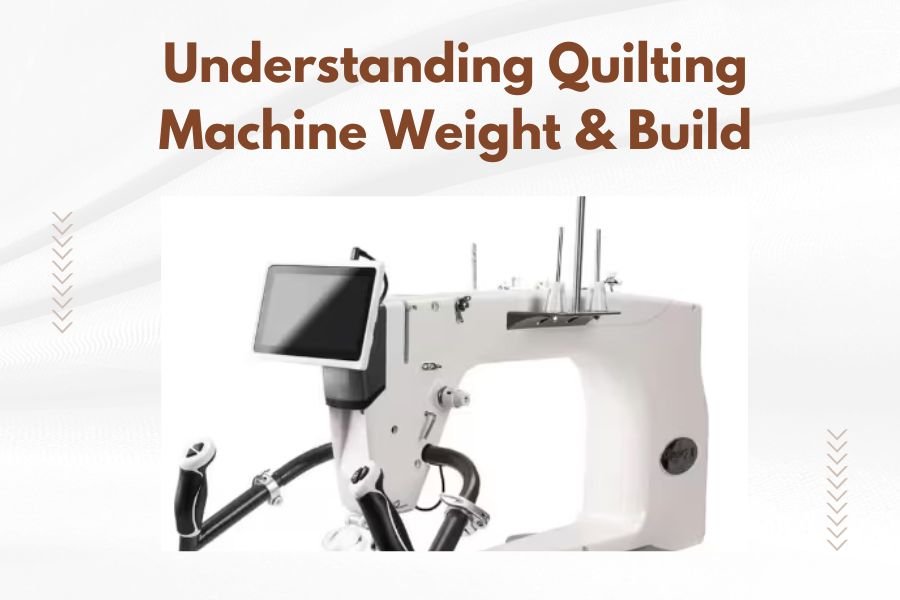
Quilting machine weight typically ranges from 15 pounds for portable models to over 200 pounds for professional quilting machines, directly impacting stability and portability.
The build quality of your quilting machine determines its durability, precision, and performance, with heavier machines generally offering better stitch consistency and reduced vibration.
Weight Categories of Quilting Machines
When you shop for a quilting machine, you’ll find three main weight categories. Each serves different needs and skill levels.
Lightweight Portable Machines (15-35 pounds)
These machines work great if you attend quilting classes or work in small spaces. You can easily move them from room to room or pack them for travel.
The downside? They might bounce around during fast stitching. Your fabric can shift more easily, making precise quilting harder.
Mid-Weight Home Machines (35-80 pounds)
This sweet spot gives you stability without taking over your entire room. Most home quilters find these machines perfect for regular projects.
You get better stitch quality than lightweight models. The extra weight keeps the machine steady during complex patterns.
Heavy Professional Machines (80-200+ pounds)
These powerhouses sit in dedicated sewing rooms or studios. They offer the best precision and can handle thick batting without breaking a sweat.
The trade-off is obvious – once you set them up, they’re staying put. But if you’re serious about quilting, the stability pays off.
How Weight Affects Your Quilting Experience
Stability and Vibration Control
Think of your quilting machine like a car. Would you rather drive on a smooth highway or a bumpy dirt road?
Heavier machines absorb vibrations better. This means your stitches stay even when you’re quilting at high speeds. I found from expert reviews that machines under 25 pounds often struggle with consistent tension on thick quilts.
Precision in Free-Motion Quilting
Free-motion quilting requires steady hands and a steady machine. When your machine wobbles, your beautiful feather patterns turn into wobbly lines.
Research from quilting professionals shows that machine stability directly affects stitch quality. Heavier machines give you more control over intricate designs.
Build Materials That Matter
Metal vs. Plastic Construction
The materials inside your machine matter just as much as the weight. Here’s what to look for:
- Metal internal frame: Provides long-term durability
- Cast iron components: Reduce vibration and noise
- Quality plastic housing: Keeps weight manageable while protecting internals
- Solid base: Prevents the machine from walking during use
Internal Framework Quality
You can’t see the frame, but you’ll feel its quality every time you sew. Strong internal frameworks prevent flex and maintain timing accuracy.
Cheaper machines often use lightweight frames that bend under pressure. This causes timing issues and poor stitch formation over time.
Choosing the Right Weight for Your Needs
Consider Your Physical Limitations
Be honest about your strength and mobility. A 150-pound machine won’t help if you can’t operate it comfortably.
If you have back problems or limited strength, look for mid-weight options with good stability features.
Evaluate Your Workspace
Measure your sewing space before you buy. Heavy machines need strong, stable surfaces. Your regular dining table might not cut it.
Consider these workspace factors:
- Table or cabinet weight capacity
- Floor stability (avoid wobbly floors)
- Room for fabric handling
- Electrical outlet placement
Weight Distribution and Balance
Understanding Machine Balance
A well-balanced machine feels solid when you touch it. Poor weight distribution makes machines tip or rock during use.
Test this in the store by gently pushing on different parts of the machine. Good balance means it stays put.
Center of Gravity Considerations
Machines with low centers of gravity feel more stable. This design prevents tipping when you’re wrestling with large quilts.
Top-heavy machines can be dangerous and frustrating to use. They’re more likely to tip when you pull fabric through quickly.
Transportation and Storage Issues
Moving Heavy Machines Safely
Never attempt to move a heavy quilting machine alone. These tips can save your back and your investment:
- Use furniture dollies for machines over 50 pounds
- Remove the motor if possible before moving
- Get help lifting – two people minimum
- Use proper lifting techniques
Storage Solutions for Heavy Quilting Machines
Heavy machines need permanent homes. Rolling cabinets work well if you need occasional mobility.
Look for cabinets rated for your machine’s weight plus extra for supplies. Cheap cabinets will sag or break under heavy loads.
Performance Benefits of Proper Weight
Reduced Thread Breakage
Stable machines create consistent thread tension. When your machine bounces around, tension varies and threads snap.
I researched quilting forums and found that thread breakage drops significantly when quilters upgrade to heavier, more stable machines.
Better Stitch Consistency
Every quilter wants perfect, even stitches. Machine weight plays a bigger role than most people realize.
Vibration causes tiny timing variations that show up as uneven stitches. Heavier machines minimize these problems naturally.
Common Weight-Related Problems
Machine Walking or Sliding
Light machines love to slide around your table. This makes precise quilting nearly impossible.
Solutions include rubber mats, clamps, or upgrading to a heavier machine. Don’t fight with a walking machine – fix the problem.
Excessive Noise and Vibration
Lightweight machines often sound like jackhammers at high speed. The noise gets old fast, especially during long quilting sessions.
Heavier machines with better builds run much quieter. Your family will thank you for the peace and quiet.
Budget Considerations
Cost vs. Weight Relationship
Generally, heavier machines cost more due to better materials and construction. But the investment often pays off in durability and performance.
Don’t assume the heaviest machine is always the best. Sometimes manufacturers add unnecessary weight to seem more premium.
Long-Term Value Assessment
Think about your quilting goals five years from now. Will you outgrow a lightweight machine quickly?
Many quilters wish they’d bought more machine initially. Upgrading later often costs more than buying right the first time.
Testing Machine Weight and Build
What to Check in the Store
Always test drive before buying. Here’s your inspection checklist:
- Push gently on the machine – does it move?
- Run it at high speed – how much vibration?
- Listen to the noise level
- Check how solidly parts fit together
Online Purchase Considerations
Buying heavy machines online requires extra planning. Shipping costs more, and returns are complicated.
Read weight specifications carefully. Some listings don’t include shipping weight, which includes packaging.
Maintenance and Weight Factors
Cleaning Heavy Machines
Heavy machines are harder to move for deep cleaning. Plan for cleaning in place or invest in lifting equipment.
Professional Service Considerations
Some repair shops charge extra for heavy machine pickup. Factor this into your ownership costs.
Conclusion
Understanding quilting machine weight and build helps you make the right choice for your needs. Heavier machines generally offer better stability, precision, and stitch quality, but they sacrifice portability and require stronger work surfaces.
Consider your physical abilities, workspace, budget, and quilting goals when choosing. A well-built machine in the right weight range will serve you better than the heaviest or lightest option available. Take time to test different machines and don’t rush this important decision.
What’s the ideal weight for a beginner quilting machine?
For beginners, machines weighing 35-50 pounds offer the best balance of stability and manageability. This weight provides enough stability for consistent stitching while remaining light enough to move when necessary.
Can I make a lightweight quilting machine more stable?
Yes, you can improve stability with rubber mats, clamps, or a heavier sewing table. Some quilters add sandbags or weights to the base, but these modifications have limits compared to inherently stable machines.
How do I know if my table can support a heavy quilting machine?
Check your table’s weight rating in the manufacturer specifications. As a general rule, your table should handle at least 150% of your machine’s weight to account for fabric pulling and vibration forces.
Do expensive quilting machines always weigh more?
Not necessarily. While many high-end machines are heavier due to quality materials, some premium brands focus on engineering efficiency rather than raw weight. Price reflects features, precision, and build quality more than weight alone.
What’s the difference between shipping weight and machine weight?
Shipping weight includes packaging materials, accessories, and protective foam, typically adding 10-20 pounds to the actual machine weight. Always check the machine’s operating weight for workspace planning.
