
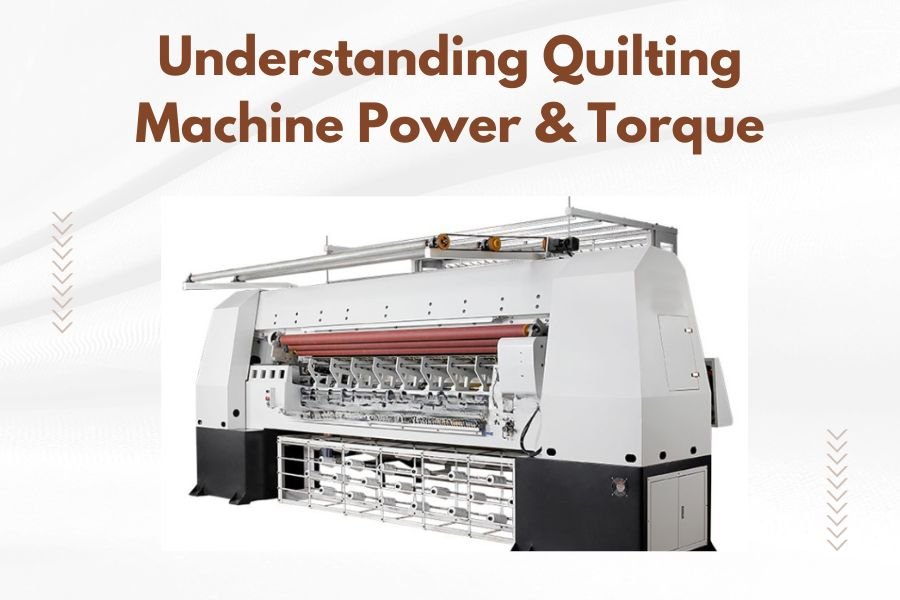
Quilting machine power ranges from 0.5 to 2.0 horsepower, with higher power handling thicker fabrics and multiple layers more effectively.
Torque determines how well your quilting machine can pierce through dense materials without slowing down or jamming during continuous stitching.
What Makes Quilting Machine Power Different
You might think all sewing machines work the same way. But quilting machines face unique challenges that regular sewing machines don’t.
When you’re quilting, you’re pushing a needle through three layers: the top fabric, batting, and backing. That’s like asking your machine to sew through a thick sandwich instead of a single slice of bread.
Why Standard Sewing Machine Motors Fall Short
Your basic sewing machine motor works fine for dress hems or light repairs. But quilting demands more strength.
I found that most home sewing machines run on 0.2 to 0.5 horsepower motors. They struggle with thick batting and can overheat during long quilting sessions.
How Quilting Machines Handle Extra Load
Quilting machines typically use motors between 1.0 and 2.0 horsepower. This extra power helps maintain consistent speed through varying fabric thickness.
The motor doesn’t slow down when it hits a seam intersection or thick batting section. You get smooth, even stitches across your entire quilt.
Understanding Motor Power Ratings
Motor power gets measured in horsepower or watts. But these numbers can be confusing if you don’t know what to look for.
Peak vs Continuous Power
Some manufacturers list peak power instead of continuous power. Peak power sounds impressive but doesn’t tell the real story.
Peak power is like a sprint – your machine can hit that number for a few seconds. Continuous power is like a marathon – what your machine can sustain hour after hour.
Reading the Fine Print
Always look for continuous or rated power specifications. This number tells you what the motor can deliver during normal quilting work.
A machine with 1.5 horsepower continuous power will outperform one with 2.0 horsepower peak power for actual quilting projects.
Watts vs Horsepower Conversion
Some machines list power in watts instead of horsepower. Here’s a quick conversion guide:
- 746 watts = 1 horsepower
- 1119 watts = 1.5 horsepower
- 1492 watts = 2.0 horsepower
What Is Torque in Quilting Machines
Think of torque as your machine’s pushing strength. Power is how fast the motor spins. Torque is how hard it can push when things get tough.
When your needle hits a thick seam or dense batting, torque keeps it moving forward without hesitation.
High Torque vs High Speed
You might assume faster is always better. But quilting often needs steady force more than blazing speed.
A high-torque motor maintains consistent needle penetration even at slower speeds. This gives you better control and prevents fabric shifting.
Low-Speed Torque Benefits
Quality quilting machines deliver strong torque at low speeds. This lets you work slowly through tricky areas without losing stitching power.
You can take your time around curves or detailed sections while the motor keeps pushing with full strength.
Signs of Insufficient Torque
How do you know if your machine lacks torque? Watch for these warning signs:
- Needle deflection when hitting thick areas
- Skipped stitches in dense sections
- Motor bog-down or hesitation
- Thread tension changes mid-seam
Power Requirements for Different Quilting Types
Not every quilting project needs the same amount of power. Your fabric choices and quilting style affect motor requirements.
Lightweight Quilting Projects
Cotton quilts with thin batting work fine with 0.75 to 1.0 horsepower motors. These projects don’t stress the motor much.
You’re working with familiar materials that most quilting machines handle easily.
Fabric Combinations That Work Well
- Cotton top and backing with polyester batting
- Flannel quilts with lightweight batting
- Baby quilts with minimal layers
Heavy-Duty Quilting Demands
Thick batting, denim, canvas, or multiple fabric layers need 1.5 to 2.0 horsepower motors.
These materials create significant resistance. A underpowered motor will struggle and potentially overheat.
When You Need Maximum Power
- Wool batting quilts
- Denim or canvas projects
- Art quilts with multiple fabric layers
- Tied quilts with thick thread
Comparing Motor Types
Quilting machines use different motor technologies. Each type has strengths and weaknesses for quilting work.
| Motor Type | Power Range | Torque | Best For |
|---|---|---|---|
| AC Universal | 0.5-1.0 HP | Medium | Light quilting |
| Servo Motor | 0.75-2.0 HP | High | All quilting types |
| Direct Drive | 1.0-1.8 HP | Very High | Heavy materials |
Servo Motor Advantages
Servo motors give you excellent speed control and consistent torque. They’re becoming the standard for quality quilting machines.
These motors start and stop precisely. You can position your needle exactly where you want it.
Direct Drive Benefits
Direct drive motors connect straight to the machine mechanism. This eliminates belts and gives maximum power transfer.
You get instant response and full torque at any speed. They’re perfect for heavy quilting work.
Matching Power to Your Quilting Style
Your quilting approach affects what kind of power you need. Think about how you typically work.
Free Motion Quilting Needs
Free motion quilting requires precise speed control more than raw power. You’re moving the fabric manually and need responsive motor behavior.
A motor with good low-speed torque and smooth acceleration works best. You don’t need maximum horsepower for most free motion work.
Speed Control Importance
Look for machines that maintain torque across the entire speed range. This lets you work slowly in detailed areas and faster on straight lines.
Longarm Quilting Requirements
Longarm machines handle large quilts and need consistent power for long stitching runs. They typically use 1.5 to 2.0 horsepower motors.
You’re covering lots of ground quickly, so the motor needs to maintain performance without overheating.
Power vs Precision Trade-offs
More power doesn’t always equal better quilting. Sometimes you need to balance strength with control.
When Less Power Works Better
Delicate fabrics can be damaged by overly powerful motors. Silk or vintage fabrics need gentler handling.
A moderate-power motor with excellent speed control gives you better results than maximum horsepower.
Finding the Sweet Spot
For most quilters, 1.0 to 1.5 horsepower provides the best balance. You get enough power for varied projects without excessive force.
This power range handles everything from lightweight cotton to medium-weight batting combinations.
Motor Maintenance for Consistent Power
Your motor’s power output depends on proper maintenance. Neglected motors lose performance over time.
Keeping Motors Cool
Heat is the enemy of motor performance. Make sure your machine has adequate ventilation during long quilting sessions.
Take breaks every hour to let the motor cool down. This prevents power reduction and extends motor life.
Signs of Motor Overheating
- Reduced stitching speed
- Motor hesitation or stuttering
- Unusual motor sounds
- Hot air from ventilation areas
Regular Cleaning Requirements
Dust and lint buildup affects motor cooling and performance. Clean your machine’s motor area regularly.
Use compressed air to blow out dust from motor vents and cooling fins. This simple maintenance preserves full power output.
Conclusion
Understanding quilting machine power and torque helps you choose the right tool for your projects. Power ratings between 1.0 and 1.5 horsepower work well for most quilting styles, while torque determines how smoothly your machine handles thick or varied materials.
Remember that power alone doesn’t guarantee good quilting results. The combination of adequate horsepower, strong low-speed torque, and precise speed control creates the best quilting experience. Match your machine’s capabilities to your typical projects, and maintain your motor properly to preserve consistent performance.
What happens if my quilting machine doesn’t have enough power?
An underpowered machine will struggle through thick sections, create uneven stitches, skip stitches, and may overheat during extended use. You’ll notice the motor slowing down or hesitating when it encounters dense areas of your quilt.
Can I upgrade my existing quilting machine’s motor?
Motor upgrades are rarely practical or cost-effective for home quilting machines. The motor, control systems, and machine frame are designed as matched components. Upgrading usually costs more than buying a properly powered machine.
How do I test a quilting machine’s torque before buying?
Bring sample fabric layers similar to your typical projects when testing machines. Sew through multiple fabric layers at slow speeds and watch for needle deflection, speed consistency, and smooth operation through varying thickness.
Does higher power mean louder operation?
Not necessarily. Modern servo and direct drive motors often run quieter than older universal motors despite having more power. Motor design and quality affect noise levels more than power ratings.
Why do some quilting machines bog down at slow speeds?
This indicates insufficient low-speed torque. Some motors deliver peak torque only at higher RPMs. Quality quilting machines maintain strong torque across their entire speed range, allowing smooth operation at any pace.
