
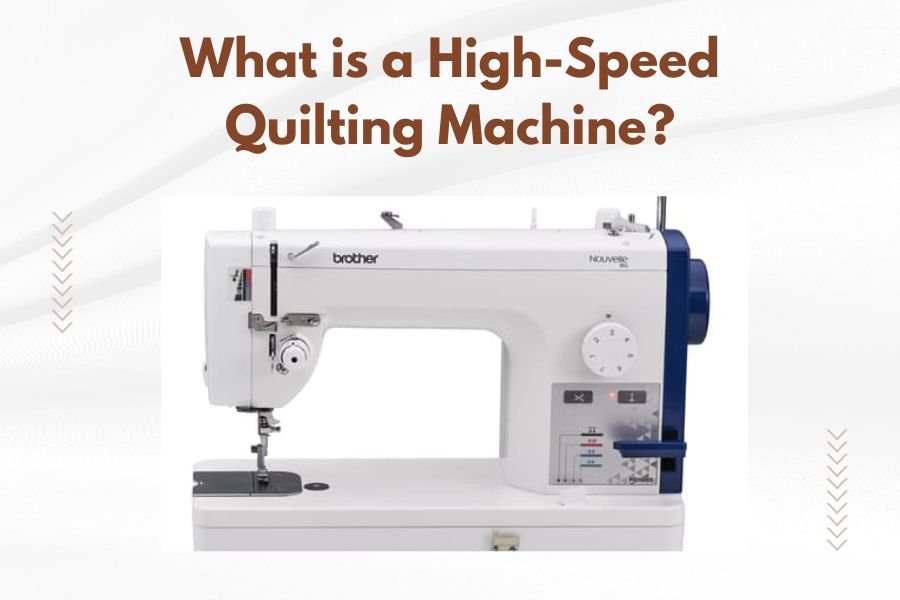
A high-speed quilting machine is a computerized sewing device that creates quilted patterns at speeds up to 3,000 stitches per minute, far faster than traditional home quilting machines.
These machines use advanced motors, precision guides, and automated controls to produce professional-quality quilts in a fraction of the time needed for hand quilting or standard sewing machines.
What Makes a Quilting Machine “High-Speed”?
Speed isn’t just about how fast the needle moves up and down. A true high-speed quilting machine combines several factors that work together.
Most standard home quilting machines run at 400-800 stitches per minute. High-speed versions can hit 1,500 to 3,000 stitches per minute without losing stitch quality.
Think of it like the difference between a bicycle and a motorcycle. Both get you places, but one does it much faster with more power under the hood.
Key Speed Components
The motor is the heart of any high-speed machine. These units use servo motors or direct-drive systems that provide consistent power at high RPMs.
Precision timing keeps everything synchronized. When you’re moving that fast, even tiny timing errors create skipped stitches or thread breaks.
Better feed systems move fabric smoothly without bunching or stretching. Slow machines can get away with basic feed dogs, but high-speed units need advanced fabric handling.
Types of High-Speed Quilting Machines
You’ll find high-speed quilting machines in three main categories. Each serves different needs and budgets.
Longarm Quilting Machines
Longarm machines are the workhorses of professional quilting. They feature extended throat space and can handle king-size quilts easily.
These machines mount on frames that hold the quilt layers taut. You guide the machine head across the fabric to create patterns.
High-speed longarms can finish a queen-size quilt in 2-4 hours versus 20+ hours by hand.
Frame-Mounted Systems
Frame systems provide the most stability and workspace. The quilt stays stationary while you move the machine head.
Professional quilters love these setups because they can work on large projects without constantly repositioning fabric.
Sit-Down Longarms
Sit-down models offer longarm benefits in a smaller footprint. You sit at the machine like a regular sewing machine but get extended throat space.
These work well for serious hobbyists who want professional results without dedicating an entire room to quilting.
Mid-Arm Quilting Machines
Mid-arm machines split the difference between home machines and full longarms. They offer 15-20 inches of throat space.
You get faster speeds than home machines but don’t need as much space as a longarm setup.
Many quilting businesses start with mid-arm machines before upgrading to full longarms.
High-Speed Home Quilting Machines
These machines look like regular sewing machines but pack more power and speed. They’re perfect for quilters who want to stay in familiar territory.
You’ll still work with smaller sections at a time, but each section gets done much faster.
How High-Speed Quilting Machines Work
The basic quilting process stays the same, but everything happens faster and more precisely.
Three layers make up every quilt: the top fabric, batting (insulation), and backing fabric. The quilting machine stitches through all three layers to hold them together.
Stitch Formation at High Speed
Each stitch requires perfect timing between the needle, bobbin, and feed system. At high speeds, this coordination becomes even more important.
The needle pierces all three layers and creates a loop. The bobbin hook catches this loop and forms a lockstitch.
High-speed machines use precision-engineered timing systems to make thousands of these loops per minute without missing a beat.
Tension Control Systems
Thread tension affects stitch quality more at high speeds. Too loose, and stitches look sloppy. Too tight, and threads break or pucker the fabric.
Advanced machines monitor and adjust tension automatically as speeds change.
Benefits of High-Speed Quilting Machines
Why would you want a high-speed machine? The benefits go beyond just working faster.
Time Savings
This one’s obvious but worth stating. A quilt that takes a weekend on a regular machine might get done in an afternoon on a high-speed unit.
Professional quilters can take on more projects and increase their income. Hobbyists can finish gifts in time for birthdays instead of next Christmas.
Consistent Stitch Quality
High-speed machines often produce more even stitches than slower machines. The consistent rhythm creates uniform tension and spacing.
You’ll see fewer irregular stitches or tension variations across the quilt.
Reduced Hand Fatigue
Finishing projects faster means less time hunched over the machine. Your back, neck, and hands will thank you.
This becomes important if you quilt regularly or run a quilting business.
Professional Results
High-speed machines often include features like stitch regulation and pattern programming. These tools help create professional-looking results even if you’re still learning.
Important Features to Look For
Not all high-speed quilting machines are created equal. Here are the features that matter most.
Stitch Regulation
Stitch regulation keeps your stitches the same length regardless of how fast you move the machine. It’s like cruise control for quilting.
Without regulation, moving the machine faster creates longer stitches. Moving slower creates shorter stitches.
I found that most quilters consider stitch regulation essential for consistent results.
Throat Space
Throat space determines how much quilt you can fit under the machine at once. More space means less repositioning and smoother workflow.
Home machines typically offer 8-12 inches. Longarms provide 18-30 inches or more.
Working Area Calculations
Measure your typical quilt sizes and add a few inches for maneuvering. A queen-size quilt needs significant throat space for efficient quilting.
Frame Compatibility
Many high-speed machines work with optional frames. Frames hold the quilt taut and make the quilting process smoother.
Check if your chosen machine offers frame options that fit your workspace and budget.
Thread Capacity
High-speed machines use thread quickly. Look for models that accept large thread spools or cones to reduce interruptions.
Running out of thread in the middle of a complex pattern disrupts your workflow and can affect stitch quality.
Speed vs. Quality Trade-offs
Faster isn’t always better. You need to balance speed with the quality results you want.
When to Use Maximum Speed
Straight-line quilting and simple patterns can handle top speeds. The machine doesn’t need to change direction frequently.
Utility quilting, where function matters more than appearance, works well at high speeds.
When to Slow Down
Complex curves and detailed patterns need slower, more controlled movements. Think of it like driving – you slow down for sharp turns.
Delicate fabrics or threads may not handle high-speed stress. Silk threads or vintage fabrics need gentler handling.
Maintenance Requirements
High-speed machines work harder than standard models. They need more frequent maintenance to stay in top condition.
Daily Maintenance
Clean lint and thread scraps after each quilting session. High speeds generate more debris than slow stitching.
Check thread paths for tangles or rough spots. A small burr that doesn’t affect slow stitching can break threads at high speed.
Weekly Maintenance
Oil the machine according to manufacturer instructions. High-speed operation requires better lubrication than occasional home use.
Inspect needles for damage or dullness. Replace them more frequently than you would on a slower machine.
Professional Servicing
Schedule professional maintenance every 6-12 months for heavy use. The technician can adjust timing and replace worn parts before they cause problems.
I found that regular servicing prevents most major breakdowns and keeps speeds consistent.
Cost Considerations
High-speed quilting machines represent a significant investment. Understanding the costs helps you budget appropriately.
| Machine Type | Price Range | Best For |
|---|---|---|
| High-Speed Home | $2,000-$8,000 | Serious hobbyists |
| Mid-Arm | $8,000-$15,000 | Small businesses |
| Longarm | $15,000-$40,000+ | Professional quilters |
Hidden Costs
Don’t forget about accessories, frames, and setup costs. A $20,000 machine might need another $5,000 in supporting equipment.
Higher thread consumption and more frequent maintenance add to operating costs.
Return on Investment
Professional quilters can often pay for their machines within 1-2 years through increased productivity.
Hobbyists should consider the value of time saved and improved results rather than direct financial returns.
Choosing the Right Machine for Your Needs
The best high-speed quilting machine depends on your specific situation and goals.
For Professional Quilters
Longarm machines offer the best combination of speed, capacity, and professional results. The high initial cost pays off through increased productivity.
Consider your typical order size and deadlines when choosing speed capabilities.
For Serious Hobbyists
Mid-arm or high-speed home machines provide good value. You get professional features without the space requirements of a full longarm.
Think about your available workspace and how often you quilt when making your decision.
For Occasional Quilters
A high-speed home machine might be overkill. Consider whether you really need the extra speed for occasional projects.
Sometimes a quality mid-range machine serves occasional users better than an expensive high-speed model.
Conclusion
High-speed quilting machines can transform your quilting experience by dramatically reducing project completion times while maintaining or improving stitch quality. These sophisticated machines combine powerful motors, precision engineering, and advanced control systems to achieve speeds up to 3,000 stitches per minute.
Whether you choose a longarm, mid-arm, or high-speed home machine depends on your space, budget, and quilting volume. Remember that with great speed comes the need for proper maintenance and technique adjustment. The investment in a high-speed quilting machine pays dividends in time saved, professional results, and the satisfaction of completing more projects than ever before.
Can high-speed quilting machines handle all types of fabric?
Most high-speed machines work well with cotton, cotton blends, and other stable fabrics. Delicate materials like silk or stretchy knits may require slower speeds or special techniques. Always test on scraps first and adjust your speed based on the fabric’s characteristics.
How much space do I need for a high-speed quilting machine setup?
Home machines need standard sewing room space, while mid-arm machines require about 6×10 feet including workspace around the frame. Full longarm setups need 12×16 feet or larger rooms. Consider both the machine footprint and room to move around it comfortably.
What’s the learning curve like when switching to a high-speed machine?
Most quilters adapt within a few weeks of regular practice. The biggest adjustment is learning to control your movements at higher speeds. Start slow and gradually increase speed as your muscle memory develops. Many machines include training modes that limit maximum speed while you learn.
Do high-speed quilting machines use more electricity than regular machines?
Yes, high-speed machines typically consume 2-3 times more electricity than standard home sewing machines due to their powerful motors and additional features like LED lighting and computerized controls. The increased power usage is usually offset by reduced project completion times.
How often should I replace needles on a high-speed quilting machine?
Replace needles every 6-8 hours of quilting time, or more frequently if you notice thread breaks, skipped stitches, or fabric damage. High speeds create more wear on needles than slow stitching, so monitoring needle condition becomes more important for maintaining stitch quality.
