
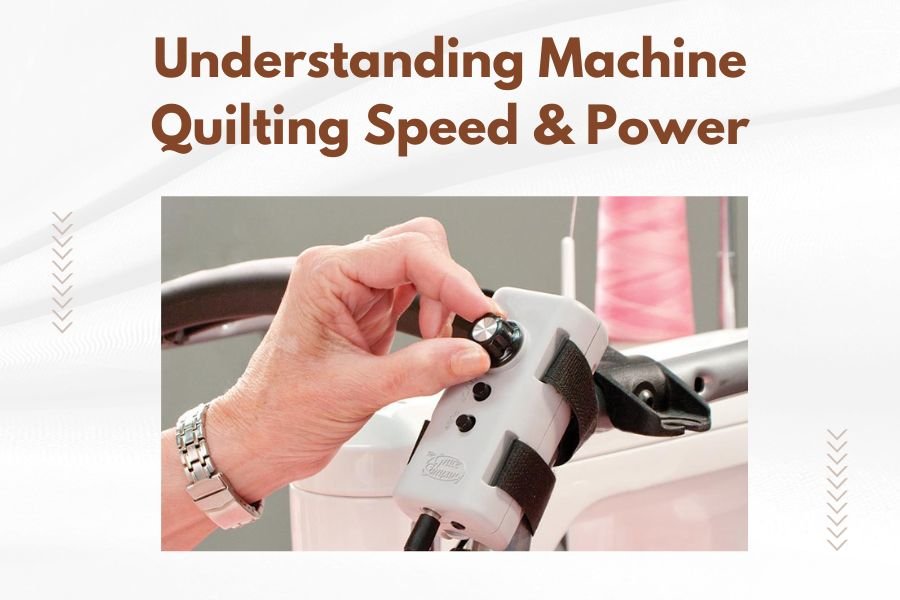
Machine quilting speed ranges from 500-3000 stitches per minute, with most home machines operating at 800-1500 SPM for optimal stitch quality.
Power requirements for quilting machines typically range from 60-150 watts, with higher wattage providing better needle penetration through multiple fabric layers.
What Machine Quilting Speed Actually Means
Speed in machine quilting gets measured in stitches per minute (SPM). Think of it like your car’s speedometer, but for needles.
Most quilting machines show this number on their display. But here’s the thing – faster doesn’t always mean better. You want consistent, even stitches that hold your quilt together beautifully.
Home Machine Speed Ranges
I researched typical home quilting machines and found they usually run between 800-1500 SPM. Entry-level machines often max out around 800-1000 SPM.
Mid-range machines typically reach 1200-1500 SPM. High-end home machines can hit 2000+ SPM, but you rarely need that much speed.
Beginner-Friendly Speeds
If you’re just starting out, stick to 400-600 SPM. This gives you better control and helps you learn proper technique.
Your stitches will be more even, and you can catch mistakes before they become big problems.
Advanced Quilter Speeds
Experienced quilters often work at 800-1200 SPM. They’ve developed the hand-eye coordination to maintain quality at higher speeds.
Some experts can handle 1500+ SPM on straight-line quilting, but they slow down for detailed work.
Understanding Quilting Machine Power
Power in quilting machines comes from the motor, measured in watts. More power means your machine can push through thick layers without struggling.
I found that most home quilting machines use 60-150 watts. Professional longarm machines often use 200-500 watts or more.
Why Power Matters for Quilting
When you’re quilting, your needle goes through multiple layers – top fabric, batting, and backing. That’s a lot of material to pierce thousands of times.
A weak motor will slow down, skip stitches, or even stop completely when it hits thick seams or dense batting.
Power Requirements by Project Type
For lightweight cotton quilts with thin batting, 60-80 watts works fine. Most basic sewing machines handle this easily.
Medium-weight projects with cotton batting need 90-120 watts. This covers most typical quilting projects.
Heavy quilts with thick batting or multiple layers require 120+ watts. Denim quilts or tied comforters fall into this category.
Motor Types in Quilting Machines
Quilting machines use two main motor types. Each has different power delivery characteristics.
Standard AC Motors
These are the most common in home machines. They provide steady power but can bog down under heavy loads.
AC motors work well for most quilting projects. They’re also cheaper to manufacture and repair.
Servo Motors
Higher-end machines often use servo motors. These provide consistent power even when the machine slows down.
Servo motors give you better control at low speeds. They’re perfect for detailed quilting work where precision matters.
Speed and Power Balance
Here’s something I learned from quilting experts – speed and power work together. You can’t have one without considering the other.
High speed with low power creates problems. Your machine might skip stitches or break thread when it hits thick spots.
Finding Your Sweet Spot
Start slow and build up speed gradually. Most quilters find their perfect speed through practice, not by cranking up the dial.
Pay attention to your stitch quality. If stitches look uneven or your thread keeps breaking, you’re probably going too fast for your machine’s power.
Project-Based Speed Adjustments
Different quilting techniques need different speeds. Free-motion quilting works best at moderate speeds where you can control the fabric movement.
Straight-line quilting can handle higher speeds since you’re not making complex curves or patterns.
| Quilting Type | Recommended Speed (SPM) | Power Needed (Watts) |
|---|---|---|
| Straight Line | 800-1500 | 80-120 |
| Free Motion | 600-1000 | 90-130 |
| Dense Quilting | 400-800 | 120-150 |
| Detailed Work | 300-600 | 100-140 |
Common Speed and Power Problems
I came across several issues that quilters face when their speed and power settings don’t match their projects.
Thread Breaking Issues
If your thread keeps breaking, you might be going too fast for your thread type. Polyester threads handle high speeds better than cotton.
Check your needle too. Dull needles create more friction and heat, which weakens thread at high speeds.
Skipped Stitches
Skipped stitches often happen when your machine lacks power for the speed you’ve set. The needle can’t fully penetrate all layers.
Slow down or switch to a more powerful machine if this keeps happening.
Motor Overheating
Running your machine at maximum speed for long periods can overheat the motor. Most home machines aren’t designed for industrial-level continuous use.
Take breaks every 30-45 minutes. Let your machine cool down before starting again.
Choosing the Right Machine for Your Needs
When shopping for a quilting machine, match the specs to your typical projects. Don’t pay extra for speed and power you won’t use.
Beginner Machine Requirements
New quilters need adjustable speed control more than maximum speed. Look for machines with good low-speed torque.
A machine with 800-1200 SPM maximum and 80-100 watts will handle most learning projects perfectly.
Intermediate Quilter Needs
Once you’ve mastered basics, you might want 1200-1800 SPM capability. Power should be 100-130 watts for handling varied projects.
Variable speed control becomes more important as you tackle different techniques.
Advanced Machine Features
Experienced quilters often want 1500+ SPM capability and 120+ watts of power. They work on larger, more complex projects.
Features like knee lifts and thread cutters become valuable time-savers at this level.
Maintenance for Speed and Power
Keep your machine running at peak performance with regular maintenance. Clean machines run smoother and maintain power better.
Regular Cleaning Schedule
Clean lint from the bobbin area after every project. Lint buildup makes your motor work harder and reduces effective power.
Oil moving parts according to your manual. Well-lubricated machines maintain speed more consistently.
Professional Servicing
Have your machine professionally serviced once a year if you quilt regularly. Technicians can spot power issues before they become major problems.
This maintenance keeps your machine running at factory specifications for speed and power output.
Conclusion
Understanding your quilting machine’s speed and power capabilities helps you choose the right settings for each project. Remember that higher numbers don’t always mean better results – consistency and control matter more than maximum speed. Start with conservative settings and adjust based on your fabric, thread, and skill level. Regular maintenance keeps your machine performing at its best, giving you reliable speed and power for years of beautiful quilting projects.
What’s the ideal speed for free-motion quilting?
Most quilters find 600-800 SPM works best for free-motion quilting. This speed gives you good control while maintaining smooth fabric movement under the needle.
Can I upgrade my sewing machine’s motor for more power?
Motor upgrades aren’t practical for most home machines due to electrical and mechanical compatibility issues. It’s usually more cost-effective to buy a machine designed for your power needs.
Why does my machine slow down when quilting thick layers?
Your machine’s motor lacks sufficient power for the load. Try using a sharper needle, reducing your speed, or switching to a more powerful machine for heavy projects.
How do I know if my quilting speed is too fast?
Signs include uneven stitches, frequent thread breaks, skipped stitches, or difficulty controlling fabric movement. Reduce speed until these problems stop occurring.
What’s the difference between maximum speed and usable speed?
Maximum speed is your machine’s top capability, while usable speed is what produces quality stitches. Most quilters work at 60-80% of their machine’s maximum speed for best results.
