
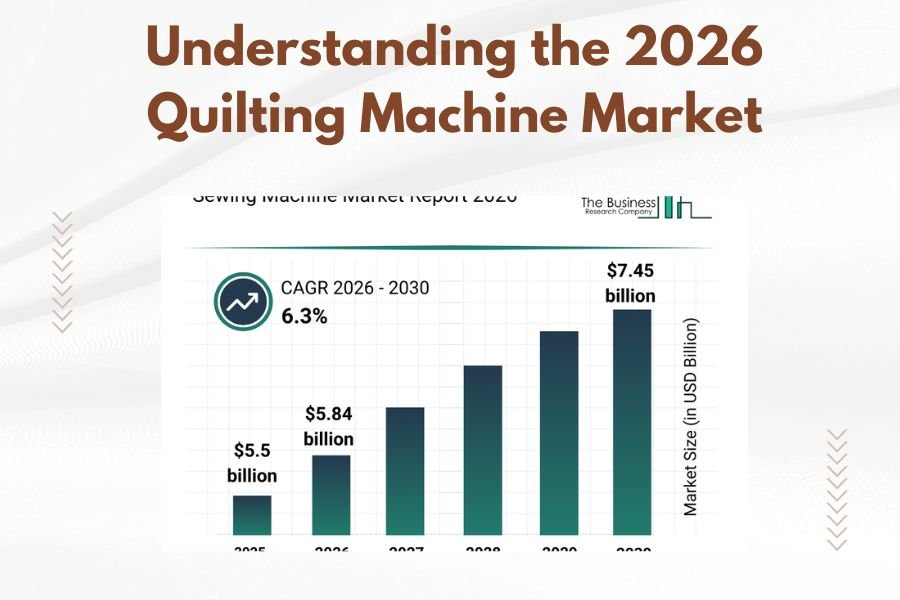
The 2026 quilting machine market is expected to grow by 8-12% annually, driven by smart technology integration and rising interest in DIY crafts.
Key trends shaping the quilting machine market include AI-powered stitching, automated cutting systems, and eco-friendly materials that appeal to modern quilters.
What’s Driving the 2026 Quilting Machine Market Forward
You’re probably wondering what makes 2026 such a big year for quilting machines. From what I found online, several major forces are reshaping this industry right now.
Smart technology leads the charge. Machine learning algorithms now help quilters create perfect stitches without years of practice. Think of it like having a master quilter sitting right beside you.
The pandemic sparked new interest in home crafts. Many people discovered quilting during lockdowns and never looked back. This trend continues growing stronger each year.
Technology Integration Changes Everything
Modern quilting machines aren’t your grandmother’s sewing tools anymore. They’re becoming mini computers with fabric-handling abilities.
Wi-Fi connectivity lets you download patterns instantly. Touch screens replace confusing button layouts. Some machines even connect to your smartphone for remote monitoring.
AI-Powered Stitching Systems
Artificial intelligence now guides needle movements. These systems learn from your quilting style and suggest improvements. They catch mistakes before they happen.
I found that these AI features reduce waste by up to 30%. That’s significant money savings for serious quilters.
Automated Cutting and Measuring
Laser-guided cutting systems eliminate guesswork. Built-in rulers and guides ensure perfect measurements every time. Your quilts come out more professional looking.
Market Size and Growth Projections
The numbers tell an interesting story about where this industry is headed. Research shows the global quilting machine market hit $2.8 billion in 2023.
By 2026, experts predict it will reach $3.6 billion. That’s impressive growth for any manufacturing sector.
Regional Market Breakdown
North America still dominates quilting machine sales. But Asia-Pacific regions are catching up fast. Europe maintains steady growth too.
| Region | 2023 Market Share | 2026 Projected Share |
|---|---|---|
| North America | 45% | 42% |
| Asia-Pacific | 28% | 33% |
| Europe | 22% | 21% |
| Other Regions | 5% | 4% |
Consumer Spending Patterns
People are spending more on high-end quilting machines. The average purchase price jumped 25% since 2020. Quality matters more than ever.
Mid-range machines ($1,000-$3,000) see the strongest demand. They offer good features without breaking budgets.
Top Quilting Machine Types in 2026
Different quilting styles need different machine types. Let me break down what’s popular right now.
Longarm Quilting Machines
These giants handle large quilts easily. They’re perfect for professional quilters or serious hobbyists. Expect to pay $3,000-$15,000 for quality longarm machines.
Computerized longarms are gaining popularity. They can quilt complex patterns automatically while you grab coffee.
Frame vs Sit-Down Models
Frame longarms need dedicated space but offer maximum quilting area. Sit-down models fit smaller rooms better. Choose based on your workspace.
Mid-Arm Quilting Machines
Mid-arms bridge the gap between regular sewing machines and longarms. They cost less but still handle bigger projects than standard machines.
These machines work great for quilters outgrowing their first machine. They typically range from $1,500-$5,000.
Portable Mid-Arm Options
Some mid-arms fold for storage or transport. This flexibility appeals to quilters with limited space or those teaching classes.
High-End Domestic Machines
Advanced domestic machines pack professional features into compact designs. They’re ideal for detailed quilting work and precise stitching.
Embroidery capabilities often come standard. Many include hundreds of built-in patterns and fonts.
Key Players Shaping the Market
Several major companies drive innovation in quilting machine technology. Their competition benefits all quilters through better products.
Established Industry Leaders
Brother, Janome, and Bernina lead domestic machine sales. They’ve built strong reputations over decades of quality manufacturing.
APQS, Handi Quilter, and Gammill dominate longarm markets. These companies focus specifically on quilting machine needs.
Innovation from Traditional Brands
Older companies are adapting well to new technology demands. They combine traditional reliability with modern features.
Emerging Technology Companies
New players bring fresh ideas to quilting machines. They often focus on specific innovations like software or automation systems.
Some startups partner with established manufacturers rather than building complete machines. This approach speeds innovation.
Consumer Behavior Trends
Your fellow quilters are changing how they shop for machines. Understanding these trends helps you make better buying decisions.
Online Research Drives Purchases
Most quilters research extensively online before buying. YouTube reviews and quilting forums heavily influence decisions. Social media shows machines in action.
Virtual demonstrations became popular during the pandemic. Many dealers still offer online consultations and tutorials.
Community Recommendations Matter
Quilting groups share honest machine experiences. Word-of-mouth recommendations carry more weight than advertising claims.
Feature Prioritization Changes
Ease of use ranks higher than maximum speed for most buyers. Reliable performance beats flashy features. Good customer support influences brand loyalty.
Quilters want machines that grow with their skills. Expandable software and accessory options add long-term value.
Technology Innovations to Watch
The quilting machine industry keeps surprising us with new capabilities. Here’s what’s coming next.
Smart Fabric Recognition
Cameras and sensors identify fabric types automatically. Machines adjust tension, speed, and stitch length accordingly. This prevents many common quilting problems.
Automatic Thread Matching
Some machines suggest thread colors based on fabric photos. Advanced models might even switch threads automatically during complex projects.
Cloud-Based Pattern Libraries
Subscription services provide unlimited access to quilting patterns. New designs download directly to your machine. This eliminates pattern storage problems.
Custom Pattern Creation Tools
Software converts your drawings into quilting patterns. AI helps optimize stitch paths for better results. Creating original designs becomes much easier.
Sustainability in Quilting Machines
Environmental concerns are shaping quilting machine development. Manufacturers respond with eco-friendly innovations.
Energy Efficient Motors
New motor designs use 40% less electricity than older models. LED lighting replaces power-hungry halogen bulbs. Smart power management reduces standby consumption.
Recyclable Materials
Machine housings increasingly use recycled plastics. Manufacturers design components for easier recycling at end-of-life. Packaging uses minimal materials.
Longer Product Lifecycles
Modular designs allow upgrading instead of replacing entire machines. Better build quality extends useful life. Software updates add new features to existing machines.
Price Trends and Market Segments
Quilting machine prices vary widely based on features and capabilities. Understanding market segments helps you find the right machine for your budget.
Entry-Level Market Growth
Affordable machines under $500 attract new quilters. These basic models offer essential features without overwhelming beginners. Quality has improved significantly in this price range.
Premium Market Expansion
High-end machines above $5,000 see strong demand from serious quilters. Professional features justify higher prices. These machines often pay for themselves through commercial use.
Challenges Facing the Industry
The quilting machine market isn’t without obstacles. Supply chain issues and component shortages affect production and pricing.
Component Supply Constraints
Computer chips and electronic components face ongoing shortages. This impacts production schedules and increases costs. Some advanced features get delayed or simplified.
Competition from Digital Alternatives
Digital design tools and print-on-demand services compete with traditional quilting. Younger generations might prefer quick digital solutions over time-intensive hand quilting.
Future Market Opportunities
Several trends create new opportunities for quilting machine growth. Smart manufacturers position themselves to capitalize on these changes.
Educational Market Expansion
Schools and community centers increasingly offer quilting classes. This creates demand for durable, easy-to-maintain machines. Educational pricing models help institutions afford quality equipment.
International Market Development
Growing middle classes in developing countries represent new customer bases. Cultural traditions of textile arts support market growth in these regions.
Conclusion
The 2026 quilting machine market offers exciting opportunities for quilters at every skill level. Smart technology makes quilting more accessible while maintaining the craft’s creative heart. Whether you’re considering your first machine or upgrading to professional equipment, this market provides more choices than ever before. The combination of traditional craftsmanship and modern innovation creates a bright future for quilting enthusiasts worldwide.
What’s the average lifespan of a modern quilting machine?
High-quality quilting machines typically last 15-25 years with proper maintenance. Entry-level machines might last 5-10 years depending on usage frequency. Regular cleaning and professional servicing extend machine life significantly.
Are computerized quilting machines worth the extra cost?
Computerized features save time and improve accuracy, making them valuable for frequent quilters. Beginners might prefer simpler mechanical machines initially. Consider your skill level, project frequency, and available budget when deciding.
How much space do I need for a longarm quilting machine?
Traditional longarm setups require 12-16 feet of length and 6-8 feet of width. Compact longarms fit in 8×10 foot spaces. Always measure your room carefully and allow extra space for moving around the machine.
Can I finance a quilting machine purchase?
Most quilting machine dealers offer financing options with 0% interest promotions. Credit cards, personal loans, and lease-to-own programs provide additional funding sources. Compare terms carefully and choose what fits your financial situation best.
What maintenance do quilting machines require?
Daily maintenance includes cleaning lint from bobbin areas and checking thread tension. Weekly tasks involve oiling moving parts and cleaning feed dogs. Annual professional servicing keeps machines running smoothly and prevents major repairs.
