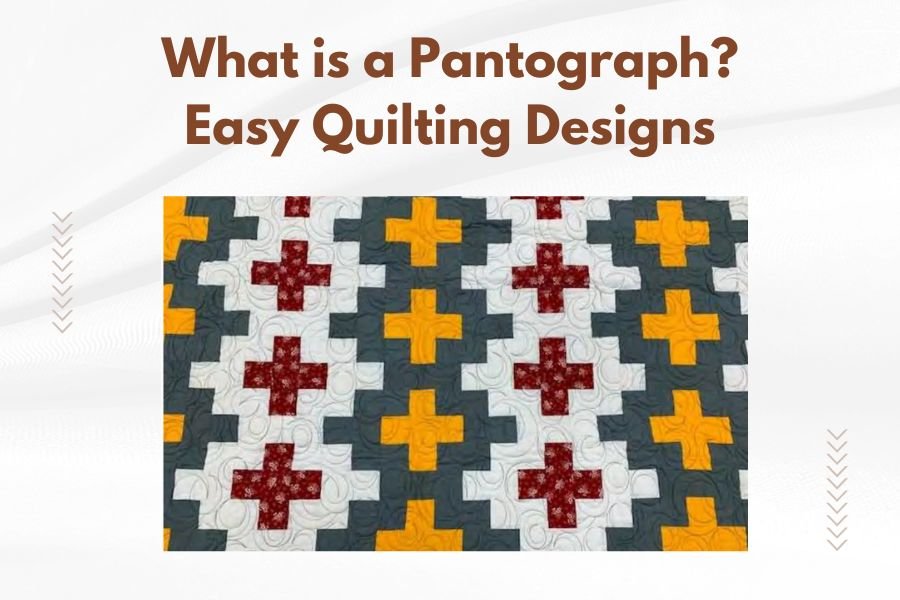
A pantograph is a quilting pattern template that guides your longarm quilting machine to create consistent, repeating designs across your entire quilt.
Pantographs work like connect-the-dots for quilters, helping you achieve professional-looking quilting patterns without drawing them freehand.
How Pantographs Transform Your Quilting Experience
Think of pantographs as your quilting GPS. They show you exactly where to stitch so you can focus on smooth machine movement instead of design creation.
When you follow a pantograph pattern, your quilting machine creates beautiful, even stitches across your quilt top. The design repeats perfectly from one section to the next.
What Makes Pantographs Special
Pantographs give you consistent results every time. You don’t need artistic skills to create stunning quilts.
From what I found, most quilters love pantographs because they save time and reduce stress. You can quilt a large project in hours instead of days.
Types of Pantograph Patterns Available
Pantographs come in hundreds of different designs. You’ll find options for every style and skill level.
Traditional Pantograph Designs
Classic patterns include feathers, flowers, and geometric shapes. These work well for traditional quilts and formal projects.
Feather pantographs are especially popular. They create elegant, flowing lines that look hand-quilted.
Popular Traditional Options
- Feather wreaths and borders
- Rose and vine patterns
- Cable and rope designs
- Baptist fan patterns
Modern Pantograph Styles
Contemporary designs feature bold lines, abstract shapes, and simplified motifs. These suit modern quilts perfectly.
Many modern pantographs use negative space creatively. They create texture without overwhelming your fabric choices.
Trending Modern Patterns
- Geometric loops and swirls
- Abstract leaf patterns
- Linear wave designs
- Minimalist dot patterns
How to Use Pantographs Step by Step
Using pantographs is simpler than you might think. Most quilters master the basics in their first session.
Setting Up Your Pantograph
First, attach your pantograph to your quilting table using tape or magnets. Position it where your stylus can reach comfortably.
Make sure the pattern sits flat and secure. Wrinkles or movement will affect your stitching accuracy.
Alignment Tips
Start your pattern at a logical point, like a corner or edge. This helps you plan your quilting path better.
Mark your starting point with a small piece of tape. You’ll need to return here for pattern repeats.
Following the Pattern Lines
Place your stylus at the pattern’s starting point. Move it slowly along the design lines.
Your quilting machine needle follows your stylus movement. Keep your motion smooth and steady for best results.
Speed Control Matters
Start slowly until you feel comfortable with the pattern. Speed comes with practice.
I found that most experts recommend practicing on scraps first. This builds confidence before working on your actual quilt.
Choosing the Right Pantograph Size
Pantograph size affects how your finished quilting looks. Larger patterns work best on big quilts, while smaller ones suit detailed projects.
| Quilt Size | Best Pantograph Size | Pattern Repeat |
|---|---|---|
| Baby/Lap Quilts | 6-8 inches | 2-3 repeats across |
| Twin/Full Quilts | 8-10 inches | 3-4 repeats across |
| Queen/King Quilts | 10-12 inches | 4-5 repeats across |
Scale Considerations
Your fabric design influences pantograph choice too. Busy prints hide detailed quilting, so choose simpler pantographs.
Solid fabrics show every stitch. Pick pantographs with interesting details for maximum impact.
Pantograph Materials and Quality
Good pantographs last for years with proper care. Material quality makes a big difference in durability.
Paper Pantographs
Paper versions cost less but wear out faster. They work fine for single-use projects or testing new patterns.
Heavy paper pantographs hold up better than thin ones. Look for cardstock weight or heavier.
Paper Pantograph Pros
- Affordable pricing
- Easy to store flat
- Wide design selection
- Good for trying new patterns
Plastic Pantographs
Plastic pantographs cost more but last much longer. They resist tears and handle frequent use well.
Clear plastic lets you see your quilt underneath. This helps with pattern placement and alignment.
Plastic Pantograph Benefits
- Durable construction
- Easy to clean
- Won’t tear during use
- See-through design
Common Pantograph Mistakes to Avoid
New quilters often make the same pantograph errors. Learning about these helps you avoid frustration.
Pattern Alignment Issues
Poor alignment creates obvious breaks in your quilting pattern. Take time to position pantographs correctly.
Use your machine’s laser guides if available. They help maintain straight lines and proper spacing.
Fixing Alignment Problems
If you notice alignment drift, stop and reposition your pantograph. Small adjustments prevent bigger problems later.
Mark reference points on your quilt backing with removable tape. This helps maintain consistent spacing.
Speed Control Problems
Moving too fast creates uneven stitches. Moving too slow can cause thread nests or skipped stitches.
Find your comfortable speed through practice. Most quilters settle into a natural rhythm quickly.
Caring for Your Pantographs
Proper storage keeps pantographs in good condition. Bent or damaged patterns affect your quilting quality.
Storage Solutions
Store flat pantographs in large folders or art portfolios. Rolling can create permanent creases.
Keep different sizes separated for easy finding. Label your storage system clearly.
Cleaning and Maintenance
Clean plastic pantographs with mild soap and water. Dry completely before storing.
Paper pantographs need gentler care. Use a soft brush to remove lint and threads.
Budget-Friendly Pantograph Options
You don’t need expensive pantographs to create beautiful quilts. Smart shopping stretches your budget.
Finding Deals
Buy pantographs in sets for better per-pattern pricing. Many shops offer bundle discounts.
Check for sales during slow quilting seasons. January and February often have good deals.
Making Your Investment Count
Choose versatile patterns that work with different quilt styles. This maximizes your pantograph library value.
Start with basic designs before buying specialized patterns. Build your skills gradually.
Conclusion
Pantographs open up a world of beautiful quilting possibilities for every skill level. They guide you to professional results while keeping the process enjoyable and stress-free.
Start with simple patterns and gradually work up to more complex designs. With practice, you’ll create stunning quilts that look like they came from a professional shop. Your quilting journey becomes more rewarding when you have the right tools and knowledge to succeed.
Can you use pantographs on domestic sewing machines?
No, pantographs are designed specifically for longarm quilting machines. Domestic machines work differently and don’t have the stylus system needed to follow pantograph patterns. For domestic machines, you’ll need to use other quilting methods like free-motion quilting or walking foot techniques.
How many times can you reuse a paper pantograph?
Paper pantographs typically last for 5-10 quilts depending on the paper quality and how carefully you handle them. Heavy cardstock versions last longer than thin paper ones. Once the lines become hard to see or the paper starts tearing, it’s time to replace them.
Do you need special thread for pantograph quilting?
You can use any high-quality quilting thread with pantographs. Cotton, polyester, and cotton-poly blends all work well. Choose thread weight based on your desired look – 40 weight for visible stitching or 50 weight for more subtle quilting lines.
Can you modify pantograph patterns while quilting?
Yes, you can skip sections, add extra loops, or combine parts of different pantographs. This lets you customize patterns for your specific quilt. Just maintain consistent changes throughout your project so the overall design looks intentional rather than random.
What’s the difference between pantographs and stencils?
Pantographs guide your longarm machine’s stylus to create continuous quilting patterns, while stencils are templates you trace onto fabric for hand quilting or domestic machine work. Pantographs create flowing, connected designs, whereas stencils typically make individual motifs that you quilt separately.