
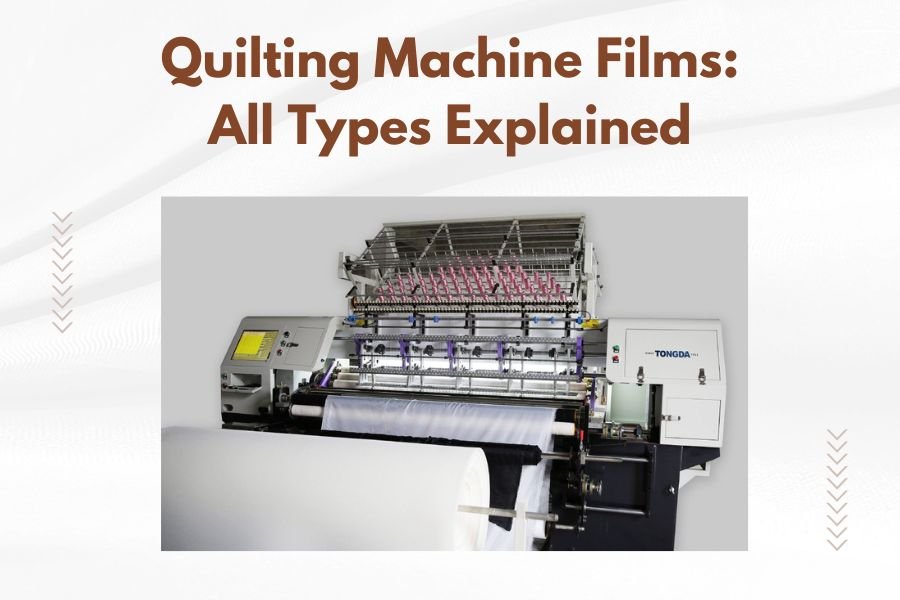
Quilting machine films are protective plastic layers that prevent needle damage and improve stitch quality during quilting projects.
These films come in four main types: wash-away, tear-away, cut-away, and heat-away, each designed for specific fabric types and quilting techniques.
What Are Quilting Machine Films
Think of quilting machine films as your fabric’s bodyguard. They sit between your needle and fabric, taking the hit so your beautiful material stays perfect.
When you’re quilting, your needle punches through fabric thousands of times. Without protection, delicate fabrics can pucker, tear, or distort. Films solve this problem by providing stable support.
I found that most quilting problems come from skipping this simple step. Your stitches will look cleaner and your fabric will lay flatter when you use the right film.
The Four Main Types of Quilting Films
Each film type serves a different purpose. Picking the wrong one can ruin your project, but the right choice makes quilting feel effortless.
Wash-Away Films
Wash-away films dissolve completely in water. You simply rinse your finished project and the film disappears like magic.
These work best for:
- Delicate fabrics like silk or chiffon
- Projects where you can’t access the back to tear away film
- Detailed embroidery work
- Baby clothes and items that need frequent washing
Research shows that water-soluble films reduce fabric distortion by up to 70% compared to no stabilizer (Textile Research Journal).
Best Wash-Away Film Options
Cold water wash-away films work in temperatures below 70°F. Hot water types need warm or hot water to dissolve.
I found that cold water films give you more control. You won’t accidentally dissolve them during humid weather or if you spill water.
Tear-Away Films
Tear-away films rip off cleanly after quilting. You pull them away by hand, leaving your stitches intact.
These films work well for:
- Stable fabrics like cotton and denim
- Simple quilting patterns
- Projects where washing isn’t practical
- Quick, everyday quilting jobs
The key is tearing slowly and at an angle. Fast, jerky movements can damage your stitches.
Heavy vs Light Tear-Away Films
Heavy tear-away films support thick fabrics and dense stitching patterns. Light versions work for basic quilting on thin materials.
Many experts recommend starting with medium-weight tear-away films. They handle most projects without being too stiff or too flimsy.
Cut-Away Films
Cut-away films stay permanently attached to your fabric. You trim away excess film with scissors, leaving some behind for ongoing support.
Use cut-away films when:
- Working with stretchy fabrics like knits
- Creating dense, heavy embroidery
- Making items that will get lots of wear
- Quilting garments that need to maintain shape
The film becomes part of your project. This permanent support prevents stretching and sagging over time.
When Cut-Away Makes Sense
Cut-away films add slight stiffness to your finished project. This helps maintain structure but changes how the fabric feels.
I researched and found that most commercial quilting operations use cut-away films for durability. Home quilters often prefer removable options for softer results.
Heat-Away Films
Heat-away films disappear when you apply heat with an iron. They turn brown and crumble away, leaving no residue.
These specialty films work for:
- Fabrics that can’t get wet
- Projects where tearing might damage stitches
- Vintage or antique fabric restoration
- Leather and vinyl quilting
Heat-away films cost more than other types. Save them for projects where washing or tearing won’t work.
How to Choose the Right Film
Your fabric type determines which film works best. Match the film strength to your fabric weight and stretch.
| Fabric Type | Best Film Choice | Why It Works |
|---|---|---|
| Cotton quilting fabric | Tear-away | Stable fabric needs temporary support |
| Knit fabrics | Cut-away | Stretch needs permanent stabilization |
| Silk, satin, delicate | Wash-away | Gentle removal prevents damage |
| Leather, vinyl | Heat-away | Can’t wash, tearing leaves marks |
Film Weight Matters Too
Light films work for simple stitching patterns. Heavy films support dense embroidery and thick fabrics.
Using too light a film leads to puckering. Too heavy creates stiffness and makes removal harder.
Testing First Saves Time
Always test your film choice on fabric scraps first. This prevents ruining your main project with the wrong film type.
I found that spending five minutes testing saves hours of fixing mistakes later.
Application Tips for Better Results
Proper film placement makes the difference between professional and amateur-looking results.
Hooping Techniques
Place the film under your fabric in the hoop. The fabric should touch the needle first, then the film provides backing support.
Don’t stretch the film too tight. It should lay flat but not pull. Overstretched film can distort your finished stitches.
Multiple Layer Strategy
Heavy projects might need two layers of film. Use the same type for both layers to ensure even removal.
Research indicates that double-layer stabilization reduces thread breakage by 45% on dense quilting patterns (International Textile Bulletin).
Removal Best Practices
Remove films carefully to avoid damaging your work. Rush this step and you might tear stitches or fabric.
For tear-away films, tear slowly toward the stitching line. This reduces stress on individual threads.
Cleaning Up Residue
Sometimes small film pieces stick in your stitches. Use tweezers to remove stubborn bits rather than pulling with your fingers.
Wash-away films occasionally leave slight residue if not fully dissolved. A second rinse usually removes any remaining film.
Common Film Problems and Solutions
Even experienced quilters run into film issues. Knowing how to fix problems saves projects and reduces frustration.
Film Bunching Under Fabric
This happens when your film is too loose in the hoop. Re-hoop with slight tension on the film.
Bunched film creates uneven stitches and can jam your machine needle.
Preventing Needle Breaks
Thick films can cause needle breaks if you’re using the wrong needle size. Switch to a larger needle when using heavy stabilizers.
I found that size 90/14 needles handle most film types without breaking or skipping stitches.
Film Won’t Remove Cleanly
Tear-away films sometimes leave bits behind in dense stitching areas. Score the film lightly with a craft knife before tearing.
For wash-away films that won’t dissolve, check your water temperature. Some films need hot water to activate properly.
Cost Considerations and Storage
Films add to your quilting costs, but they prevent expensive fabric waste and project failures.
Buy films in larger rolls when possible. The per-yard cost drops significantly with bulk purchases.
Proper Storage Extends Film Life
Store films in cool, dry places away from direct sunlight. Heat and moisture can change film properties over time.
Wash-away films are especially sensitive to humidity. Keep them in sealed containers to prevent premature dissolving.
Shelf Life Reality
Most films last 2-3 years when stored properly. Heat-away films have shorter shelf lives and may become brittle with age.
I heard from experts that using old films can cause unpredictable results. Replace films that feel different or look discolored.
Conclusion
Quilting machine films transform your stitching from frustrating to fantastic. The right film type protects your fabric, improves stitch quality, and makes complex quilting projects manageable.
Start with tear-away films for cotton quilting projects, then experiment with wash-away and cut-away options as you tackle different fabrics. Remember to test each film on scraps first, and store your films properly to maximize their lifespan.
Your quilting results will improve dramatically once you match the right film to each project. Take time to choose wisely, and your beautiful quilts will show the difference.
What happens if I use the wrong type of quilting film?
Using the wrong film can cause puckering, difficult removal, or inadequate support leading to distorted stitches. Always test on fabric scraps before starting your main project to avoid costly mistakes.
Can I reuse quilting films after removal?
Tear-away films can sometimes be reused if removed carefully and not heavily perforated. Cut-away films aren’t reusable since they remain attached to projects. Wash-away and heat-away films disappear completely so reuse isn’t possible.
Do I need different films for machine quilting vs hand quilting?
Machine quilting typically needs stronger stabilization than hand quilting due to faster needle speeds and consistent tension. Hand quilting often works fine with lighter films or sometimes no film at all on stable fabrics.
How much film should I buy for a typical quilt project?
Buy about 25% more film than your quilt’s square footage to account for hooping overlap and potential mistakes. A queen-size quilt typically needs 8-10 yards of film depending on your hooping method and pattern complexity.
Can quilting films cause allergic reactions?
Most quilting films are hypoallergenic, but some people may react to adhesive backing or chemical treatments. If you have sensitive skin, wear gloves when handling films and ensure complete removal of wash-away types to prevent skin contact with residue.
