
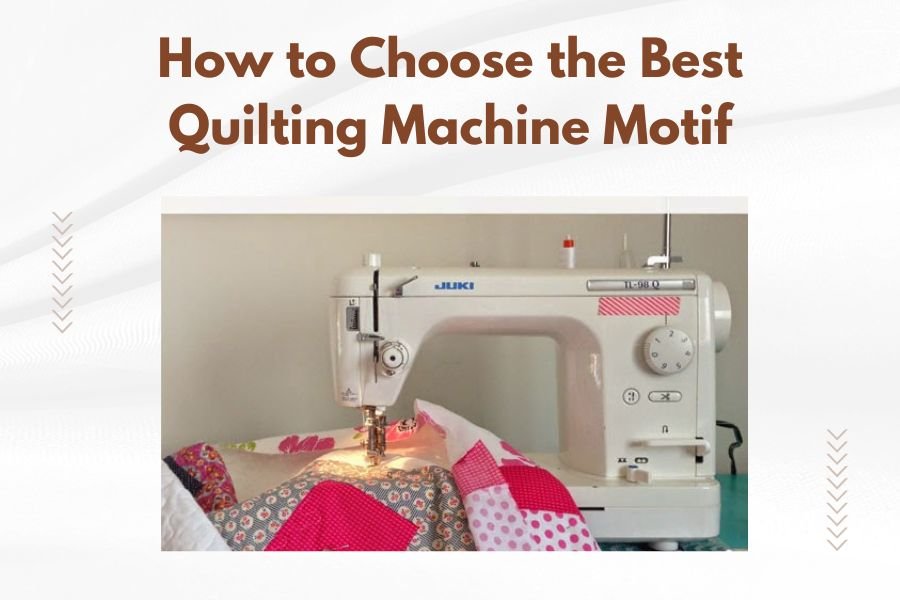
The best quilting machine motif depends on your skill level, project type, and machine capabilities – beginners should start with simple geometric patterns while experienced quilters can handle complex florals and custom designs.
Choose quilting machine motifs by matching pattern complexity to your experience level, considering thread visibility on fabric colors, and ensuring your machine’s throat space accommodates the design size.
What Makes a Good Quilting Machine Motif
A good quilting machine motif should complement your quilt’s overall design without overpowering it. Think of motifs like seasoning in cooking – they enhance the main dish without taking over.
The best motifs balance visual interest with stitching practicality. Simple patterns often create stunning results when executed well.
Scale and Proportion Matter
Your motif size should match your quilt blocks and overall quilt dimensions. Large motifs work well on king-size quilts but can overwhelm small wall hangings.
I found that most quilting experts recommend motifs that are proportional to your quilt blocks – typically 60-80% of the block size for best visual balance.
Thread and Fabric Compatibility
Light threads show up beautifully on dark fabrics, while darker threads create subtle texture on light fabrics. Consider this contrast when selecting your motif.
Busy fabric patterns can hide motif details. Solid or near-solid fabrics showcase intricate quilting designs best.
Types of Quilting Machine Motifs
Geometric Patterns
Geometric motifs include circles, squares, triangles, and their combinations. These patterns work well for beginners because they’re forgiving and create clean, modern looks.
Popular geometric options include:
- Straight lines and grids
- Concentric circles
- Diamond patterns
- Crosshatch designs
- Curved spirals
Why Geometric Works
Geometric patterns hide small imperfections well. If your circle isn’t perfectly round, it still looks intentional and artistic.
Nature-Inspired Motifs
Floral, leaf, and vine patterns bring organic beauty to quilts. These designs require more skill but create stunning heirloom pieces.
Common nature motifs include:
- Rose and flower clusters
- Feather designs
- Leaf and vine borders
- Tree branches
- Butterfly patterns
Skill Level Considerations
Nature motifs demand steady hands and good machine control. Start with simple leaf shapes before attempting complex roses.
Traditional Quilting Motifs
Classic patterns like feathers, cables, and Baptist fans have stood the test of time. These designs connect your work to quilting history.
From what I read, traditional motifs often work well in reproduction fabrics and vintage-style quilts.
Matching Motifs to Your Machine Type
Domestic Machine Limitations
Regular sewing machines with quilting capabilities have smaller throat spaces. This limits motif size to about 6-8 inches maximum.
Your domestic machine works best with:
- Small to medium motifs
- Simple continuous-line designs
- Straight-line patterns
- Basic curved shapes
Longarm Machine Advantages
Longarm machines offer larger throat spaces, allowing for bigger, more complex motifs. You can quilt large feather designs or full-quilt patterns.
Research shows that longarm quilters can handle motifs up to 12-24 inches depending on their machine model.
Professional Results
Longarm machines produce more consistent stitching on large motifs. The extended reach prevents fabric bunching and uneven tension.
Skill Level Guide for Motif Selection
Beginner-Friendly Choices
If you’re new to machine quilting, start with simple patterns that build confidence. Success with easy motifs motivates you to try harder ones later.
| Skill Level | Best Motifs | Avoid |
|---|---|---|
| Beginner | Straight lines, gentle curves, simple loops | Tight corners, complex florals |
| Intermediate | Feathers, basic flowers, cable patterns | Micro-quilting, portrait designs |
| Advanced | Custom designs, dense fills, realistic motifs | Nothing – try everything! |
Building Your Skills
Practice each motif on sample fabric before quilting your actual project. This prevents costly mistakes on finished quilt tops.
Intermediate Challenges
Once you master basic shapes, try combining simple elements into more complex designs. Two simple motifs together often look more impressive than one difficult pattern.
Many quilting instructors suggest practicing motif connections – how patterns flow from one area to another smoothly.
Advanced Techniques
Advanced quilters can handle dense quilting, micro-motifs, and custom-designed patterns. These techniques require excellent machine control and lots of practice.
Planning Your Quilting Design
Sketching Your Ideas
Draw your quilt layout on paper first. This helps you visualize how different motifs work together across the entire quilt.
I found that many professional quilters use graph paper to plan motif placement and sizing accurately.
Design Software Options
Computer programs can help plan complex quilting designs. These tools let you test different motif combinations without stitching.
Marking Your Quilt
Some motifs need marking guides on your fabric. Use removable markers that won’t damage your quilt or show through light fabrics.
Simple motifs like straight lines need minimal marking, while complex florals may require detailed templates.
Common Motif Selection Mistakes
Choosing Too Complex Too Soon
Jumping to advanced motifs before mastering basics leads to frustration. Each skill builds on the previous one – there’s no shortcut.
Ignoring Fabric Pattern
Busy fabric prints can completely hide your beautiful quilting work. Consider how your motif choice interacts with fabric colors and patterns.
Thread Selection Impact
Wrong thread choices can make even perfect motifs invisible. High contrast shows off your work, while matching threads create subtle texture.
Scale Mismatches
Tiny motifs on huge quilts look lost, while oversized patterns overwhelm small projects. Proportion matters more than complexity.
Testing and Practice Methods
Making Practice Sandwiches
Create small quilt sandwiches using similar fabrics and batting as your main project. Practice your chosen motifs until they feel natural.
Research from quilting guilds suggests spending at least 30 minutes practicing before starting your actual project.
Speed and Consistency
Consistent stitching speed produces even motifs. Fast rushing creates wobbly lines, while too-slow stitching can burn fabric.
Finding Your Rhythm
Each quilter develops their own optimal speed. Some work better fast and smooth, others prefer slow and careful.
Conclusion
Choosing the best quilting machine motif comes down to matching your skills, equipment, and project goals. Start simple, practice regularly, and gradually work up to more complex designs. Remember that even basic motifs create beautiful results when executed well. Your quilting journey should be enjoyable, not stressful – pick motifs that excite you and match your current abilities. With time and practice, you’ll develop the confidence to tackle any design that catches your eye.
What’s the easiest quilting motif for absolute beginners?
Straight-line quilting in a simple grid pattern is the easiest starting point. It requires minimal curves, builds machine control, and creates attractive results even with slight imperfections.
How do I know if a motif is too complex for my skill level?
If you can’t draw the motif smoothly by hand, it’s probably too complex for machine quilting. Practice drawing your chosen pattern on paper first – if it feels difficult to draw, it will be harder to stitch.
Can I mix different motif styles in one quilt?
Yes, mixing motifs can create visual interest, but keep them balanced. Use one main motif type with simpler complementary patterns, and maintain consistent scale throughout your design.
What motifs work best for dark fabrics?
Light or metallic threads with moderate to dense quilting patterns show beautifully on dark fabrics. Avoid sparse quilting since it won’t create enough contrast to be visible.
How do I fix a motif that looks uneven after quilting?
Minor unevenness often becomes less noticeable after washing and blocking your quilt. For major issues, you can add decorative stitching nearby to balance the visual weight, or embrace the handmade character as part of your quilt’s charm.
