
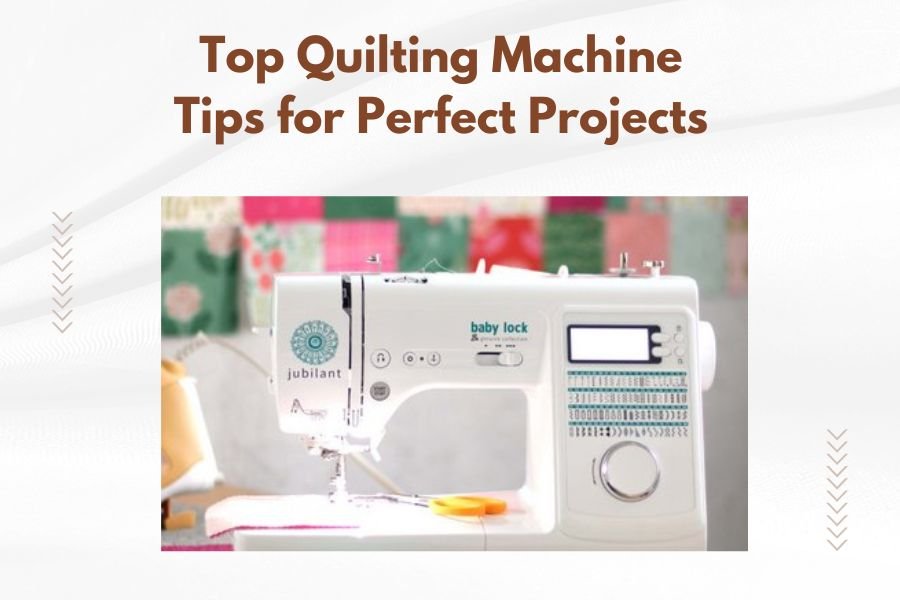
Perfect quilting machine results depend on proper tension settings, quality thread, and regular maintenance checks before each project.
Top quilting machine tips include using the right needle for your fabric, maintaining consistent speed, and keeping your workspace organized for smooth workflow.
Essential Machine Setup for Success
Your quilting machine needs the right setup before you start any project. Think of it like tuning a guitar – skip this step and everything sounds off.
Start with a clean machine. Remove lint from the bobbin area and oil moving parts according to your manual. I found that many quilting problems trace back to poor maintenance.
Thread Tension Adjustments
Thread tension controls how your stitches look. Too tight creates puckered fabric. Too loose makes messy, uneven stitches.
Test tension on fabric scraps first. Your top and bobbin threads should lock in the middle of your fabric layers. Adjust the top tension dial in small steps until you get balanced stitches.
Signs of Tension Problems
- Top thread shows on the back – tension too tight
- Bobbin thread shows on top – tension too loose
- Loops on either side – major tension imbalance
Needle Selection Guide
Wrong needles cause skipped stitches and thread breaks. Match your needle to your fabric weight and thread type.
Universal needles work for most cotton quilting. Heavy fabrics need size 90/14 or 100/16 needles. Delicate fabrics use 70/10 or 80/12 needles.
| Fabric Type | Needle Size | Best Use |
|---|---|---|
| Cotton quilting fabric | 80/12 | Most piecing projects |
| Heavy denim/canvas | 100/16 | Thick seams |
| Delicate silks | 70/10 | Fine detail work |
Thread Quality Makes the Difference
Cheap thread causes more problems than any other quilting issue. You save a few dollars but waste hours fixing broken stitches.
High-quality cotton or polyester threads run smoother through your machine. They create stronger seams and cause fewer tension problems.
Thread Storage Tips
Store thread away from sunlight and moisture. Old thread becomes brittle and breaks easily. Replace thread that feels rough or looks faded.
Keep different thread types separate. Mixing cotton and polyester threads in one project can create uneven seams as fabrics age differently.
Thread Weight Guidelines
Thread weight affects your stitch appearance. Lower numbers mean thicker thread. Use 50-weight thread for most quilting projects.
Heavier threads create bold decorative stitches. Lighter threads work better for detailed piecing where you want invisible seams.
Speed Control Strategies
Consistent speed creates even stitches. Racing through curves and corners causes wobbly lines and missed stitches.
Start new projects at medium speed. You can always speed up once you find your rhythm. Slow down for detailed areas and speed up for long straight seams.
Practice Speed Transitions
Practice changing speeds smoothly on scrap fabric. Sudden speed changes create visible stitch variations in your finished project.
Use your machine’s speed control if available. Many quilters find 60-70% maximum speed gives the best balance of efficiency and control.
When to Slow Down
- Turning corners or curves
- Sewing over thick seam intersections
- Working with slippery or stretchy fabrics
- Adding decorative stitches
Fabric Handling Techniques
How you handle fabric affects stitch quality. Support heavy quilts to prevent pulling and stretching as they move through your machine.
Keep fabric flat and smooth in front of your needle. Wrinkles and bunches create uneven seam allowances and puckered stitches.
Managing Bulk at Intersections
Thick seam intersections challenge your machine. Press seams open or use a seam roller to flatten bulky areas before sewing.
Reduce bulk by trimming seam allowances to different lengths. This creates a gradual thickness change instead of a sudden jump.
Pressing for Success
Press seams immediately after sewing while fabric is still warm. This sets stitches and creates crisp, flat seams.
Use steam carefully on synthetic fabrics. Too much heat can melt or distort modern fabric blends.
Workspace Organization
An organized workspace prevents mistakes and speeds up your quilting process. Keep tools within easy reach of your sewing position.
Good lighting reduces eye strain and helps you see stitch quality clearly. Position lights to eliminate shadows on your work area.
Essential Tool Placement
Place scissors, seam ripper, and extra bobbins near your machine. Stopping to hunt for tools breaks your concentration and slows progress.
Keep a small trash container next to your chair for thread clippings. This prevents thread bits from getting into your machine mechanisms.
Bobbin Management System
Wind several bobbins before starting large projects. Running out of bobbin thread mid-seam creates visible stops in your stitching line.
Mark bobbins with thread color using small stickers. This saves time matching threads and prevents color mistakes.
Troubleshooting Common Issues
Even experienced quilters face machine problems. Knowing quick fixes saves time and prevents project delays.
Most issues stem from threading problems, dull needles, or lint buildup. Check these three areas first when stitches look wrong.
Skipped Stitch Solutions
Skipped stitches usually mean needle problems. Try a new needle first – dull or bent needles miss fabric threads.
Check your needle installation. The flat side should face the correct direction for your machine model. Wrong needle orientation causes timing issues.
Thread Break Prevention
Thread breaks interrupt your flow and leave loose ends to fix later. Most breaks happen from rough thread paths or incorrect tension.
Check thread guides and tension discs for rough spots that catch thread. Clean these areas regularly to maintain smooth thread flow.
Maintenance Schedule
Regular maintenance prevents most quilting machine problems. Create a simple schedule based on how often you sew.
Daily quilters should clean lint weekly and oil monthly. Occasional quilters can clean every few projects and oil seasonally.
Quick Daily Checks
Before each sewing session, check for lint in the bobbin area and make sure your needle is straight and sharp.
Test your machine on scraps before starting your actual project. This catches problems when they’re easy to fix.
Deep Cleaning Process
Monthly deep cleaning includes removing the needle plate and cleaning underneath. Use a small brush to remove lint from hard-to-reach areas.
Follow your manual’s oiling instructions exactly. Too much oil attracts more lint and can stain fabric.
Conclusion
Great quilting results come from attention to basic machine care and setup details. Master these fundamental techniques and your projects will show dramatic improvement. Remember that consistent practice with proper machine maintenance creates the foundation for beautiful quilting. Take time to set up correctly, and you’ll spend less time fixing mistakes later.
What’s the best way to test thread tension before starting a project?
Sew a test seam using the same fabric layers and batting you’ll use in your actual project. The threads should lock evenly between fabric layers without showing through to either side.
How often should I change my quilting machine needle?
Change needles after 8-10 hours of sewing time or when switching between different fabric weights. Dull needles cause more problems than any other single factor in quilting.
Why does my machine keep jamming when I quilt thick seams?
Thick seams need slower speeds and sometimes a walking foot attachment. Reduce bulk by pressing seams open and trimming excess seam allowances before sewing over intersections.
What causes uneven stitches in straight line quilting?
Inconsistent speed creates uneven stitches. Practice maintaining steady pressure on your foot pedal and use your machine’s speed control feature if available to limit maximum speed.
How do I prevent thread from breaking during long quilting sessions?
Use high-quality thread, check that your machine is properly threaded, and make sure thread guides are clean and smooth. Old or cheap thread becomes brittle and breaks more easily.
