
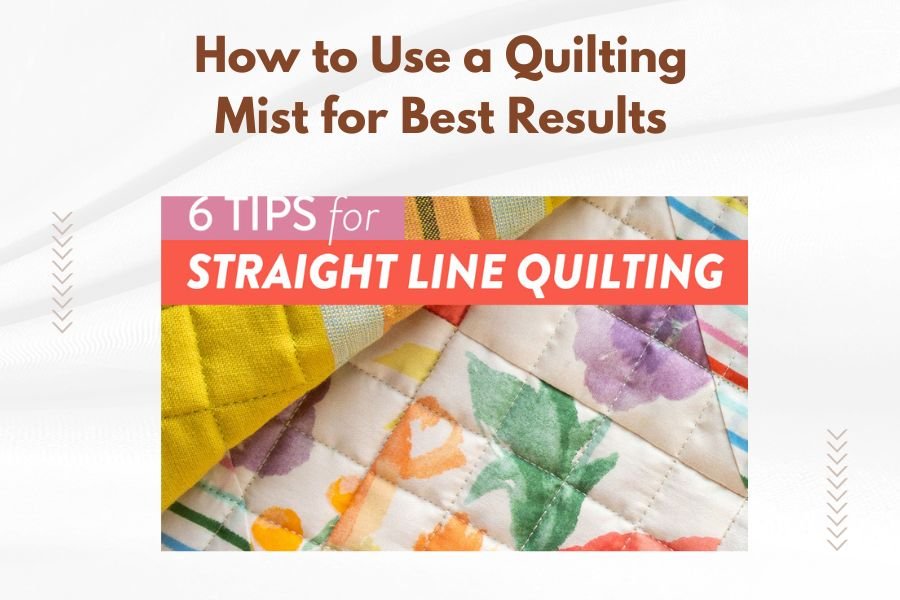
Quilting mist is a temporary spray adhesive that keeps fabric layers in place while you quilt, eliminating the need for safety pins and making the quilting process smoother and faster.
To use quilting mist effectively, spray it lightly on your batting in a well-ventilated area, smooth your fabric layers together without wrinkles, and start quilting within 24 hours for best adhesion.
What Is Quilting Mist and Why Use It
Think of quilting mist as a gentle helper that holds your quilt sandwich together. It’s like having an extra pair of hands keeping everything steady while you work.
This temporary adhesive spray bonds fabric to batting without leaving permanent residue. You’ll save hours compared to pin basting, and your hands won’t get sore from crawling around on the floor.
Many quilters I’ve talked to online say they’ll never go back to pins after trying spray basting. The time savings alone makes it worth learning.
Choosing the Right Quilting Mist
Types of Quilting Sprays Available
You’ll find two main types of quilting mist on the market. Temporary adhesives wash out completely, while repositionable sprays let you move fabric if needed.
Most quilters prefer temporary adhesives for their ease of use. Popular brands include 505 Spray and Fix, June Tailor Spray Basting, and Sulky KK 2000.
What to Look for in Quality Products
A good quilting mist should feel tacky but not sticky when you touch it. It should hold fabric firmly without making it stiff or hard to needle.
Check that your chosen spray won’t stain fabrics or leave residue after washing. Reading reviews from other quilters can save you from disappointing purchases.
Preparing Your Workspace
Setting Up for Success
Your workspace needs to be larger than your quilt. A dining room table, clean floor, or large cutting mat all work well.
Open windows or turn on fans for ventilation. These sprays have fumes that can give you headaches if you’re working in a closed room.
Protecting Your Surfaces
Cover your work area with plastic sheeting or newspaper. Quilting mist can make surfaces sticky, and you don’t want to damage your good table.
Keep paper towels handy for quick cleanup. Trust me, you’ll need them more than you think.
Gathering Your Materials
You’ll need your quilt top, batting, backing fabric, and quilting mist. Have a brayer or your hands ready for smoothing layers.
Lay out everything before you start spraying. Once you begin, you’ll want to work quickly while the adhesive is most effective.
Step-by-Step Application Process
Preparing Your Fabric Layers
Press your quilt top and backing fabric to remove wrinkles. Wrinkles become permanent once you spray, so this step matters.
Cut your batting and backing about 4 inches larger than your quilt top on all sides. This extra fabric prevents puckering as you quilt.
First Layer: Backing Fabric
Place your backing fabric face-down on your work surface. Smooth out any wrinkles or bumps with your hands.
You don’t spray the backing fabric directly. It serves as your foundation layer for building the quilt sandwich.
Getting the Position Right
Make sure your backing fabric lies flat without pulling or stretching. Stretched fabric will pucker when you release the tension.
Take a moment to check that you have equal excess fabric on all sides. This prevents headaches later when you’re trying to keep everything aligned.
Second Layer: Batting with Spray
Hold your quilting mist about 6-8 inches from the batting surface. Spray in light, even sweeps rather than concentrated spots.
Work in sections if you’re making a large quilt. Spray about one-third of the batting, position it on the backing, then continue.
Common Spraying Mistakes
Don’t oversaturate the batting. Too much spray makes fabric hard to needle and can seep through to stain your quilt top.
Avoid spraying in windy conditions or near air vents. You’ll end up with adhesive in places you don’t want it.
Positioning and Smoothing
Lower the sprayed batting onto your backing fabric starting from one end. Work slowly to avoid trapping air bubbles underneath.
Smooth the batting with your hands or a brayer, working from the center outward. Pay attention to corners and edges where wrinkles like to hide.
Third Layer: Adding the Quilt Top
Spray the top surface of your batting just like you did the bottom. Use the same light, even coverage.
Position your quilt top face-up, starting from one edge and lowering it gradually. Take your time here – repositioning gets harder once the fabric touches the batting.
Final Smoothing Techniques
Work out any bubbles or wrinkles immediately. Once the adhesive sets, these imperfections become much harder to fix.
Check the edges to make sure all layers are properly aligned. You can trim excess batting and backing now or after quilting.
Best Practices for Different Project Sizes
Small Projects and Blocks
For small quilts or individual blocks, you can work on a regular cutting mat. The process goes much faster with less material to manage.
Use less spray on small projects. A light misting is all you need for pieces under two feet square.
Large Quilts and Bed-Sized Projects
Large quilts need more planning. Consider working on the floor with plenty of space to move around your project.
Spray and position in sections rather than trying to handle the entire quilt at once. Your back will thank you, and you’ll get better results.
Managing Bulk and Weight
Heavy quilts can stretch under their own weight. Support the quilt sandwich as you move it to prevent the layers from shifting.
Roll large quilts rather than folding them after spray basting. Folds can leave permanent creases in your batting.
Timing and Working Conditions
When to Start Quilting
Most quilting mists work best when you start quilting within 2-3 hours of application. The adhesive stays most effective during this window.
You can wait longer if needed, but the bond may weaken after 24 hours. Plan your quilting session accordingly.
Temperature and Humidity Effects
High humidity can affect how well quilting mist adheres. If you’re working on a humid day, you might need slightly more spray.
Cold temperatures can make some sprays less effective. Let your materials come to room temperature before starting.
Seasonal Considerations
Summer heat can make adhesives more aggressive, while winter cold might require extra drying time between layers.
I’ve read from quilting forums that many people prefer spray basting in moderate weather when possible.
Troubleshooting Common Issues
Layers Shifting During Quilting
If your layers start moving, you probably didn’t use enough spray or waited too long to start quilting. Stop and add more adhesive to problem areas.
Sometimes batting quality affects adhesion. Lower-quality batting with loose fibers doesn’t hold spray as well as denser products.
Sticky Residue Problems
Residue usually means you used too much spray or chose a permanent adhesive by mistake. Most temporary sprays wash out easily in cold water.
If residue persists, try soaking the finished quilt in cold water for 30 minutes before washing normally.
Needle Gumming Solutions
Change needles more frequently when quilting spray-basted projects. Adhesive builds up on needle shafts and can skip stitches.
Keep rubbing alcohol handy to clean your needle if it starts sticking. A quick wipe usually solves the problem.
Uneven Coverage Issues
Patchy adhesion comes from uneven spraying or working too quickly. Take your time with each section for consistent results.
If you notice weak spots after positioning your layers, carefully lift the edge and add more spray underneath.
Safety Tips and Precautions
Ventilation Requirements
Always work with adequate airflow. These products contain solvents that can cause dizziness or headaches in enclosed spaces.
If you feel lightheaded while spraying, take a break and get fresh air immediately. Your health is more important than finishing your project quickly.
Skin and Eye Protection
Wear old clothes when spray basting. Quilting mist can leave spots on fabric that don’t wash out completely.
Keep spray away from your face and eyes. If you accidentally get some in your eyes, rinse immediately with clean water.
Storage and Disposal
Store quilting mist in a cool, dry place away from heat sources. High temperatures can cause cans to burst or leak.
Dispose of empty cans according to local hazardous waste guidelines. Don’t put aerosol cans in regular trash unless they’re completely empty.
Comparing Methods: Spray vs. Pins vs. Thread Basting
| Method | Time Required | Cost | Convenience | Quilt Size Limit |
|---|---|---|---|---|
| Quilting Mist | 15-30 minutes | $8-12 per can | High | King size |
| Safety Pins | 1-3 hours | $15-25 initial | Medium | Any size |
| Thread Basting | 2-4 hours | $5-10 | Low | Any size |
When Each Method Works Best
Use spray basting for most quilts where speed and convenience matter. It’s perfect for wall hangings and bed quilts alike.
Choose pins for quilts you’ll take to classes or need to transport before finishing. Pins won’t lose their grip over time.
Thread basting works well for heirloom quilts or when you’re concerned about chemicals touching your fabric.
Conclusion
Quilting mist transforms the tedious job of basting into a quick, manageable task. When you spray lightly in a well-ventilated area and work systematically through your layers, you’ll wonder why you ever struggled with pins.
Remember that practice makes perfect with spray basting. Your first attempt might feel awkward, but you’ll develop a rhythm quickly. The time savings and reduced hand fatigue make the learning curve worthwhile.
Start with a small practice project to get comfortable with the technique. Once you experience how smoothly your machine glides over a spray-basted quilt, you’ll understand why so many quilters have made the switch.
How long does quilting mist adhesive last before losing its grip?
Most quilting mists maintain strong adhesion for 24-48 hours, with peak effectiveness in the first 2-3 hours after application. After this time, the bond gradually weakens but usually remains adequate for completing your quilting project within a week.
Can I use quilting mist on all types of batting materials?
Quilting mist works well with cotton, polyester, and wool batting, but performs best on medium-density batting with consistent fiber structure. Very low-loft or loosely bonded batting may not hold the adhesive as effectively as higher-quality, denser options.
Will quilting mist damage my sewing machine or cause needle problems?
Quilting mist can cause needle gumming and thread buildup, but won’t damage your machine permanently. Change needles more frequently during spray-basted projects and clean the needle shaft with rubbing alcohol if stitching becomes irregular.
How do I remove quilting mist residue if it doesn’t wash out completely?
Soak the quilt in cold water for 30-60 minutes before washing, or try adding white vinegar to your rinse cycle. For stubborn residue, commercial adhesive removers designed for fabrics can help, but test on a hidden area first.
Is it safe to use quilting mist around children and pets?
Use quilting mist only in well-ventilated areas away from children and pets during application. Once the spray dries and you begin quilting, the area becomes safe for normal household activity, but store unused cans securely out of reach.
