Choosing the best quilting machine can feel overwhelming, especially with so many models, features, and price ranges available. The right quilting machine depends on your skill level, project size, workspace, and long term quilting goals.
This guide breaks down everything you need to consider before buying a quilting machine so you can make a confident and informed decision.
Understand Your Quilting Experience Level
Your experience level plays a major role in choosing the right quilting machine.
Beginners benefit from machines that are easy to operate, forgiving, and versatile. Intermediate quilters often look for more throat space and stitch control. Advanced quilters usually need high speed performance, stitch regulation, and frame compatibility.
Decide What Type of Quilting You Do
Different quilting styles require different machine capabilities.
If you focus on straight line quilting and small projects, a domestic quilting machine may be sufficient. If you enjoy free motion quilting or work on large quilts, a mid arm or long arm quilting machine provides better control and space.
Throat Space Matters
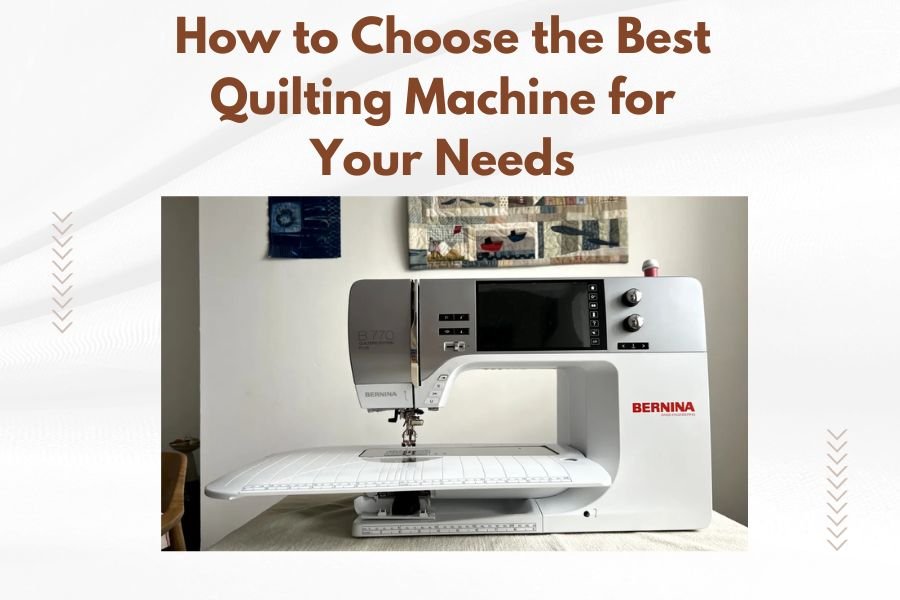
Throat space is one of the most important features to consider. It determines how much fabric you can manage at once.
Smaller throat space works for lap quilts and wall hangings. Larger throat space is essential for queen and king size quilts and complex designs.
Stitch Regulation and Stitch Quality
Stitch regulation helps maintain consistent stitch length regardless of how fast or slow you move the fabric or machine. This feature is especially helpful for free motion quilting and beginners who are still developing control.
Consistent stitch quality improves the overall appearance and durability of your quilt.
Speed and Motor Strength
A powerful motor allows the machine to sew through multiple fabric layers and batting smoothly. Higher stitching speed reduces quilting time and improves efficiency for large projects.
Look for machines with adjustable speed controls so you can work comfortably.
Space and Setup Requirements
Before buying a quilting machine, consider how much space you have available.
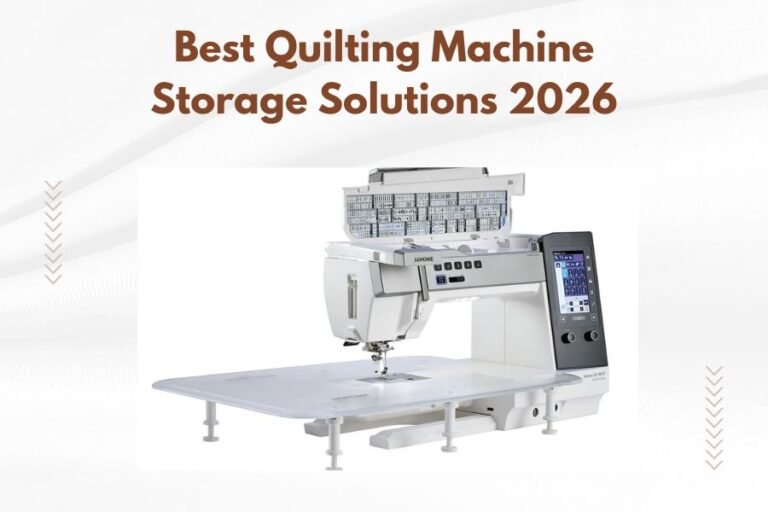
Domestic quilting machines fit on standard sewing tables. Mid arm and long arm quilting machines require dedicated space for frames and movement. Always measure your workspace before making a purchase.
Budget and Long Term Value
Quilting machines range from affordable home models to professional grade systems. Set a realistic budget and focus on long term value rather than just the lowest price.
Investing in a machine that meets your future needs can prevent costly upgrades later.
Maintenance and Support
Choose a quilting machine from a brand that offers reliable customer support, clear documentation, and easy access to replacement parts.
Regular maintenance, proper cleaning, and timely servicing help keep your machine performing well for years.
Common Mistakes to Avoid
Many quilters choose machines that are too small for their projects or underestimate space requirements. Ignoring stitch regulation and buying without considering future skill growth are also common mistakes.
Taking time to research saves frustration and money.
Final Advice
The best quilting machine is one that fits your quilting style, space, and goals. By understanding key features like throat space, stitch regulation, speed, and setup needs, you can choose a machine that supports your creativity and productivity.
At Sewvanta, we help quilters compare quilting machines through detailed guides, reviews, and recommendations so you can find the right machine with confidence.