
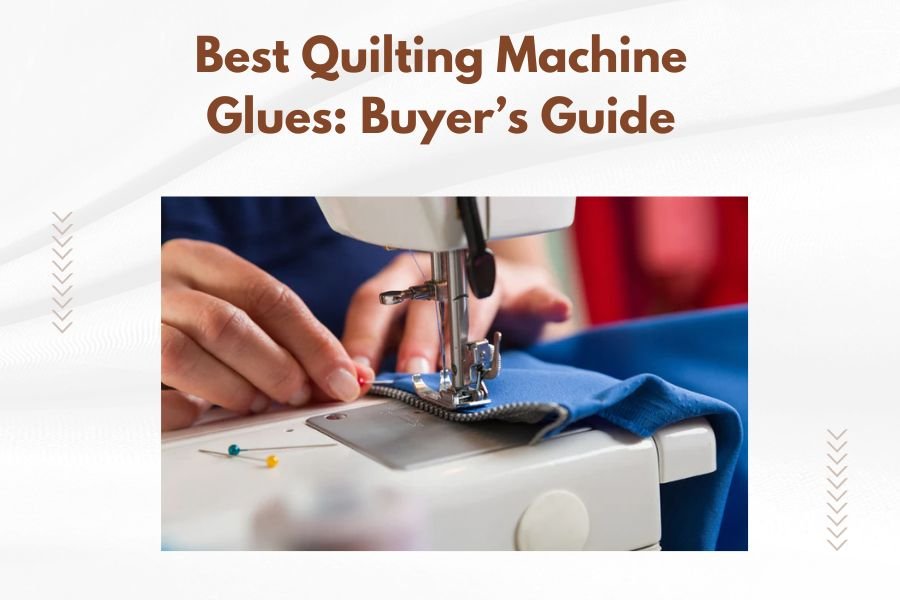
The best quilting machine glues include temporary spray adhesives, washable fabric glues, and fusible web products that help secure fabric layers before stitching.
You’ll want to choose quilting glues based on your project needs – temporary basting, permanent bonding, or appliqué work – with popular options being 505 Spray, Elmer’s Washable School Glue, and Heat n Bond.
What Makes a Good Quilting Machine Glue
Finding the right glue for your quilting machine projects can feel overwhelming. You need something that holds your fabric layers together without gumming up your needle or leaving permanent marks.
Good quilting glues share three key traits. They provide temporary or washable bonds. They won’t damage your machine. And they work well with different fabric types.
Temporary vs Permanent Bonding
Most quilters prefer temporary adhesives for basting layers together. These glues wash out completely after your project is done. Think of them as helpful assistants that disappear when their job is finished.
Permanent glues work better for appliqué work or binding edges. You want these bonds to last through many washes and years of use.
Machine Compatibility
Your quilting machine is expensive equipment. The wrong glue can create sticky buildup on your needle, throat plate, or feed dogs.
Safe glues dry completely before you start sewing. They don’t leave residue that transfers to your machine parts. Many quilters test new glues on fabric scraps first.
Top Types of Quilting Machine Glues
Different quilting tasks call for different adhesive approaches. Here are the main categories you’ll encounter.
Spray Adhesives
Spray glues offer the most even coverage across large quilt surfaces. You can cover your entire quilt backing in minutes rather than hours of pin basting.
Popular spray options include 505 Spray and Fix, Sulky KK 2000, and June Tailor Quilt Basting Spray. These products create light, repositionable bonds that hold through machine quilting.
The downside? Overspray can get messy. You’ll want to work in a well-ventilated area or outdoors when possible.
Best Practices for Spray Adhesives
Always shake the can well before using. Hold it 6-8 inches from your fabric surface. Apply light, even coats rather than heavy applications.
Work quickly after spraying. Most temporary sprays stay tacky for only 10-15 minutes. Position your layers carefully since repositioning becomes harder as the glue sets.
Liquid Fabric Glues
Liquid glues give you more control over placement. You can apply dots, lines, or small areas exactly where you need them.
Elmer’s Washable School Glue works surprisingly well for quilting. It dries clear, washes out completely, and costs much less than specialty quilting glues.
Other good liquid options include Aleene’s OK to Wash-It and Collins Fabric Glue Stick. These products were designed specifically for fabric crafts.
Application Techniques
Use small dots of liquid glue every 4-6 inches across your quilt surface. You don’t need continuous lines. Just enough spots to prevent shifting during quilting.
Let liquid glues dry for 2-3 minutes before positioning your next layer. This prevents the glue from soaking through your fabric.
Fusible Web Products
Fusible webs aren’t technically glues, but they serve similar purposes. These thin sheets of adhesive material bond fabrics together when heated with an iron.
Heat n Bond, Wonder Under, and Steam-A-Seam are popular brands. They work great for appliqué work and creating permanent fabric bonds.
The heat activation means no wet drying time. You can start sewing immediately after pressing.
Choosing the Right Glue for Your Project
Different quilting projects have different adhesive needs. Here’s how to match your glue choice to your specific situation.
Basting Large Quilts
Big quilts need fast, even coverage. Spray adhesives work best here. You can baste a queen-size quilt in under 30 minutes.
I found through research that many longarm quilters prefer spray basting over pin basting. It creates fewer lumps and doesn’t require removing hundreds of pins during quilting.
Small Projects and Table Runners
Smaller projects don’t always justify opening a can of spray adhesive. Liquid glues or glue sticks work perfectly for table runners, placemats, or wall hangings.
You get better control over glue placement. And you won’t waste product on overspray.
Appliqué Work
Appliqué pieces need secure positioning during stitching. Fusible web products excel here. They create strong bonds that won’t shift during zigzag or decorative stitching.
Some quilters use washable liquid glue for appliqué positioning too. Just apply tiny dots to hold pieces while you stitch around the edges.
Raw Edge vs Turned Edge Appliqué
Raw edge appliqué often uses fusible web for permanent bonds. The edges will be covered with decorative stitching anyway.
Turned edge appliqué might use temporary glue to hold the folded edges in place during hand or machine stitching.
Product Comparison and Features
Here’s a breakdown of popular quilting glue products and their key features.
| Product | Type | Best Use | Wash Out |
|---|---|---|---|
| 505 Spray | Temporary Spray | Large quilt basting | Yes |
| Elmer’s Washable | Liquid | Small areas, appliqué | Yes |
| Heat n Bond | Fusible Web | Permanent appliqué | No |
| Sulky KK 2000 | Temporary Spray | Repositionable basting | Yes |
Price Considerations
Specialty quilting glues cost more than general craft adhesives. But they’re formulated specifically for fabric work. They tend to wash out more completely and cause fewer machine problems.
That said, some household products work great for quilting. Many quilters swear by Elmer’s School Glue for temporary basting work.
Coverage and Longevity
A single can of spray adhesive typically bastes 2-3 large quilts. Liquid glues last longer since you use smaller amounts per project.
Fusible web products are sold by the yard. One yard covers about 4-6 appliqué projects, depending on the size of your pieces.
Application Tips and Techniques
Using quilting glue effectively takes some practice. Here are techniques that make the process smoother.
Workspace Preparation
Set up a clean, flat surface larger than your quilt layers. Many quilters use their dining room table covered with a plastic tablecloth.
Good ventilation matters, especially with spray adhesives. Open windows or work outside when weather permits.
Layer Sequence
Always start with your backing fabric face down. Smooth out any wrinkles or folds. Apply your adhesive according to the product directions.
Add your batting next. Start from one edge and smooth toward the opposite side. This prevents air bubbles and wrinkles.
Finally, place your quilt top face up. Again, work from one edge to eliminate bubbles.
Common Mistakes to Avoid
Don’t use too much glue. More isn’t better. Excess adhesive can seep through fabric or gum up your machine needle.
Avoid getting glue on your quilt top surface. Most products wash out, but some can leave residue or affect fabric appearance.
Working Time Management
Temporary adhesives have limited working time. Plan your steps before you start applying glue.
Have all your layers cut and ready. Clear your workspace. Know exactly how you’ll position each layer.
Troubleshooting Common Issues
Even experienced quilters run into adhesive problems sometimes. Here’s how to handle the most common issues.
Needle Gumming
If your needle starts picking up adhesive residue, stop sewing immediately. Clean your needle with rubbing alcohol or a commercial needle lubricant.
Some quilters keep a small bottle of rubbing alcohol and cotton swabs handy during machine quilting. Clean your needle every 30-45 minutes of sewing time.
Fabric Shifting
If your layers start shifting during quilting, you might not have used enough adhesive. Or the bond may have weakened over time.
Add more glue in problem areas, but let it dry completely before continuing. Some quilters add a few safety pins in areas that keep shifting.
Glue Residue After Washing
Most temporary quilting glues wash out completely in warm water. If you notice residue after the first wash, try washing again with a little extra detergent.
Avoid hot water or high heat drying until you’re sure all adhesive is gone. Heat can set some glue residues permanently.
Safety and Health Considerations
Quilting glues are generally safe when used properly. But you should take basic precautions.
Ventilation
Spray adhesives contain solvents that can cause headaches or dizziness in enclosed spaces. Always work with adequate airflow.
If you’re sensitive to chemical odors, consider using liquid glues instead. They typically have much milder scents.
Skin Contact
Most quilting glues are non-toxic, but they can cause skin irritation with prolonged contact. Wash your hands after use.
Some quilters wear disposable gloves when working with adhesives. This also prevents getting glue on your fabric accidentally.
Storage and Shelf Life
Proper storage extends the life of your quilting adhesives and saves money long-term.
Temperature Control
Store glues at room temperature away from heat sources. Extreme temperatures can affect adhesive performance.
Don’t leave spray cans in hot cars or cold garages. The propellant systems are sensitive to temperature changes.
Humidity Factors
High humidity can affect how well adhesives bond to fabric. Very dry conditions can make temporary glues set too quickly.
Most quilters find normal household humidity levels work fine for adhesive applications.
Budget-Friendly Alternatives
You don’t always need expensive specialty products. Some household items work great for quilting projects.
School Glue Options
Regular Elmer’s School Glue washes out completely and costs much less than quilting-specific adhesives. Many quilters use it for appliqué positioning and small basting jobs.
Glue sticks designed for paper crafts also work on fabric. They’re clean, easy to control, and repositionable when fresh.
DIY Spray Alternatives
Some quilters make temporary fabric spray using hair spray and water. Mix 1 part aerosol hair spray with 2 parts water in a spray bottle.
This homemade version costs less than commercial products. But it doesn’t provide the same reliable performance as products designed for quilting.
Conclusion
Choosing the right quilting machine glue depends on your specific project needs, workspace setup, and personal preferences. Spray adhesives work best for large quilts where speed matters. Liquid glues give you precise control for smaller projects and appliqué work. Fusible webs create permanent bonds perfect for decorative elements.
Start with one type of adhesive and learn how it behaves with your fabrics and machine. Many quilters keep both spray and liquid options on hand for different situations. Remember that proper application technique matters more than which brand you choose. Take time to prepare your workspace, follow product directions, and always test on scraps first.
What’s the difference between temporary and permanent quilting glues?
Temporary glues wash out completely after your project is finished, making them perfect for basting quilt layers together. Permanent glues create lasting bonds that survive multiple washes, which works better for appliqué work or binding attachment where you want the adhesion to last.
Can quilting glue damage my sewing machine?
Quality quilting glues won’t damage your machine when used properly, but excess glue or wrong products can create sticky buildup on needles and feed dogs. Clean your needle regularly with rubbing alcohol during quilting, and always let glue dry completely before sewing to prevent residue transfer.
How long does spray basting adhesive hold fabric layers together?
Most temporary spray adhesives maintain their hold for 2-4 weeks under normal conditions, giving you plenty of time to complete your quilting. The bond gradually weakens over time, so don’t expect the same holding power after a month as you get in the first few days.
Is it safe to use regular school glue for quilting projects?
Yes, washable school glue works well for many quilting applications and costs much less than specialty products. Elmer’s Washable School Glue is particularly popular among quilters for appliqué positioning and small basting jobs because it dries clear and washes out completely in warm water.
What should I do if my quilt layers shift during machine quilting?
Stop quilting immediately and add more adhesive to the problem areas, letting it dry completely before continuing. You can also add a few safety pins in areas that keep shifting. If shifting happens frequently, you may need to use more glue initially or switch to a stronger temporary adhesive for your next project.
