
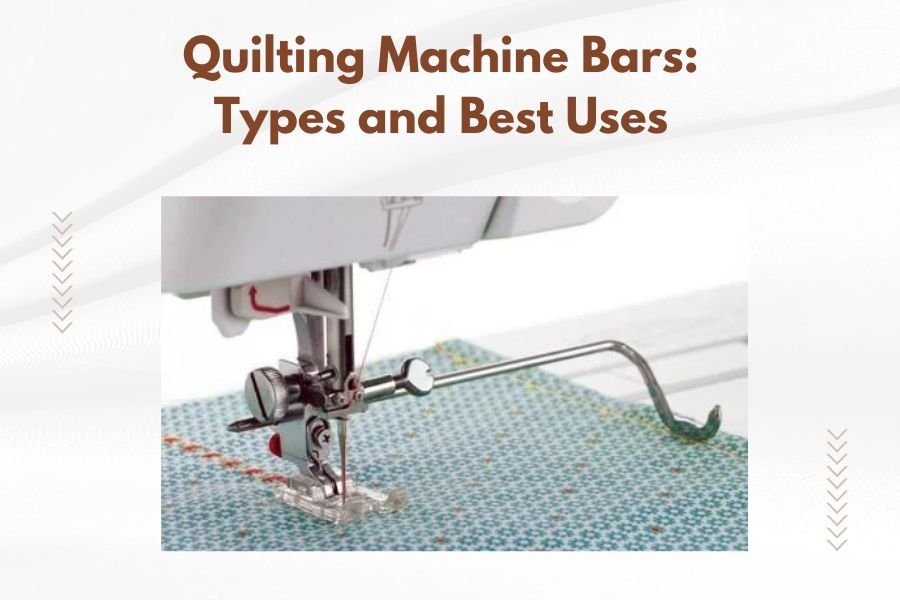
Quilting machine bars are horizontal support systems that help stabilize your quilting machine during operation, reducing vibration and improving stitch quality.
The main types include fixed bars, adjustable bars, and extension bars, each designed for different quilting machine sizes and workspace needs.
What Are Quilting Machine Bars?
Think of quilting machine bars as the foundation of your quilting setup. These metal or composite support systems keep your machine steady while you work.
Without proper bars, your machine can shake, wobble, or shift during quilting. This creates uneven stitches and makes detailed work nearly impossible.
Why Your Machine Needs Support Bars
Your quilting machine weighs anywhere from 25 to 60 pounds. Add the constant motion of quilting, and you get a recipe for instability.
Support bars distribute this weight evenly. They also absorb the vibrations that naturally occur during machine operation.
Types of Quilting Machine Bars
I found that most quilting machine bars fall into three main categories. Each serves a different purpose in your quilting setup.
Fixed Support Bars
Fixed bars stay in one position once installed. They’re the most common type for home quilting setups.
These bars typically measure 8 to 12 feet long. They work best if you have a dedicated quilting room with consistent workspace needs.
Best Uses for Fixed Bars
- Dedicated quilting rooms
- Consistent project sizes
- Budget-friendly setups
- Beginner quilters
Adjustable Support Bars
Adjustable bars let you change their length and height. This flexibility makes them popular with serious quilters.
You can extend these bars from 8 feet to 14 feet or more. Some models also adjust vertically by several inches.
When to Choose Adjustable Bars
Pick adjustable bars if you work on different quilt sizes regularly. They’re also great for shared spaces where you need to store your frame compactly.
Many quilters I researched online prefer adjustable systems for their versatility. You can handle baby quilts one day and king-size quilts the next.
Extension Bars
Extension bars add length to your existing frame system. They’re add-on pieces rather than complete support systems.
Most extension bars add 2 to 4 feet of workspace. You can often connect multiple extensions for extra-large projects.
Perfect Projects for Extension Bars
- King and queen size quilts
- Commercial quilting projects
- Large wall hangings
- Whole cloth quilts
Material Options for Quilting Bars
The material of your bars affects durability, weight, and cost. Here’s what you’ll find on the market.
Aluminum Bars
Aluminum bars are lightweight and resist rust. They’re easy to move around but still provide solid support.
Most aluminum bars use hollow construction to reduce weight without sacrificing strength. They cost more than steel but last longer.
Steel Bars
Steel bars offer maximum stability at a lower price point. They’re heavier than aluminum but incredibly sturdy.
Look for powder-coated steel to prevent rust. Some quilters actually prefer the extra weight because it dampens vibrations better.
Composite Materials
Newer composite bars combine strength with light weight. They use materials like carbon fiber or fiberglass reinforcement.
These bars cost the most but offer the best vibration dampening. They’re worth considering if you quilt for long hours daily.
Sizing Your Quilting Machine Bars
Getting the right size bars makes or breaks your quilting experience. Too short and your quilt hangs off the edges. Too long and they won’t fit your space.
Measuring Your Quilting Space
Start by measuring your quilting room. You need at least 2 feet of clearance on each end of your bars.
Don’t forget about ceiling height. Your quilt will hang below the bars, so measure from floor to ceiling too.
Standard Bar Lengths
| Bar Length | Quilt Size | Room Size Needed |
|---|---|---|
| 8 feet | Baby to Twin | 12 x 8 feet |
| 10 feet | Twin to Full | 14 x 10 feet |
| 12 feet | Queen | 16 x 12 feet |
| 14 feet | King | 18 x 14 feet |
Weight Capacity Considerations
Your bars need to support your machine plus the weight of large quilts. A king-size quilt with batting can weigh 15-20 pounds.
Most quality bars handle 100+ pounds easily. Check the manufacturer’s specifications to be sure.
Installation and Setup Tips
Setting up your quilting machine bars correctly ensures smooth operation and prevents problems down the road.
Level is Everything
Use a level when installing your bars. Even small variations can cause stitching problems.
Many quilters I found online recommend checking level every few months. Floors can settle and bars can shift slightly over time.
Height Adjustment Guidelines
Set your bars at a comfortable working height. Most quilters prefer the machine bed at elbow height while standing.
This typically means bars sit 34-38 inches off the floor. Adjust based on your height and comfort preferences.
Testing Your Setup
Before starting a big project, test your setup with a small practice piece. Check for vibrations, noise, and smooth operation.
Make any needed adjustments while the bars are empty rather than with a full quilt loaded.
Maintenance and Care
Proper maintenance keeps your quilting machine bars working smoothly for years.
Regular Cleaning
Wipe down your bars monthly with a damp cloth. Remove any dust, lint, or oil buildup.
Pay special attention to adjustment points and connection areas where debris tends to collect.
Checking for Wear
Inspect your bars every few months for signs of wear or damage. Look for bent sections, loose connections, or worn adjustment mechanisms.
Replace worn parts promptly to prevent bigger problems later.
Common Problems and Solutions
Even the best quilting machine bars can develop issues. Here are the most common problems and their fixes.
Excessive Vibration
If your setup vibrates too much, check that all connections are tight. Loose bars amplify vibrations.
Adding rubber pads under the frame legs can also help dampen vibrations.
Sagging Bars
Long bars may sag under weight over time. Adding a center support post usually fixes this problem.
Some quilters use adjustable jack posts from hardware stores as temporary center supports.
Budget Considerations
Quilting machine bars range from $200 for basic fixed bars to $800+ for premium adjustable systems.
Entry-Level Options
Basic fixed steel bars work fine for occasional quilting. They provide adequate support without breaking the budget.
Many beginning quilters start here and upgrade later as their needs grow.
Professional-Grade Systems
If you quilt daily or run a business, invest in quality adjustable bars. The flexibility and durability pay off quickly.
Professional systems often include features like quick-release mechanisms and precision height adjustment.
Conclusion
Choosing the right quilting machine bars transforms your quilting experience from frustrating to enjoyable. Fixed bars work great for dedicated spaces and consistent projects, while adjustable bars offer flexibility for varying quilt sizes. Extension bars let you tackle those king-size masterpieces without buying a completely new system.
Consider your space, budget, and quilting goals when making your choice. Quality bars are an investment that supports countless beautiful quilts for years to come. Start with your current needs but think about future projects too – you might be surprised how quickly your quilting ambitions grow.
What’s the difference between quilting machine bars and a quilting frame?
Quilting machine bars are just the horizontal support components, while a quilting frame includes bars plus legs, clamps, and other hardware to create a complete quilting system.
Can I use quilting machine bars with any brand of quilting machine?
Most quilting machine bars use universal mounting systems that work with major machine brands, but always check compatibility before purchasing to avoid fitting issues.
How much space do I really need around my quilting machine bars?
Plan for at least 3 feet of clearance on all sides of your bars, plus enough ceiling height for your largest quilts to hang freely without touching the floor.
Do quilting machine bars require special flooring or foundation?
Standard home flooring works fine for most quilting machine bars, though concrete floors provide the most stability and carpeted floors may need furniture pads to prevent indentations.
How often should I replace my quilting machine bars?
Quality quilting machine bars can last 10-15 years or more with proper care, though you might want to upgrade sooner if your quilting needs change or better features become available.
