
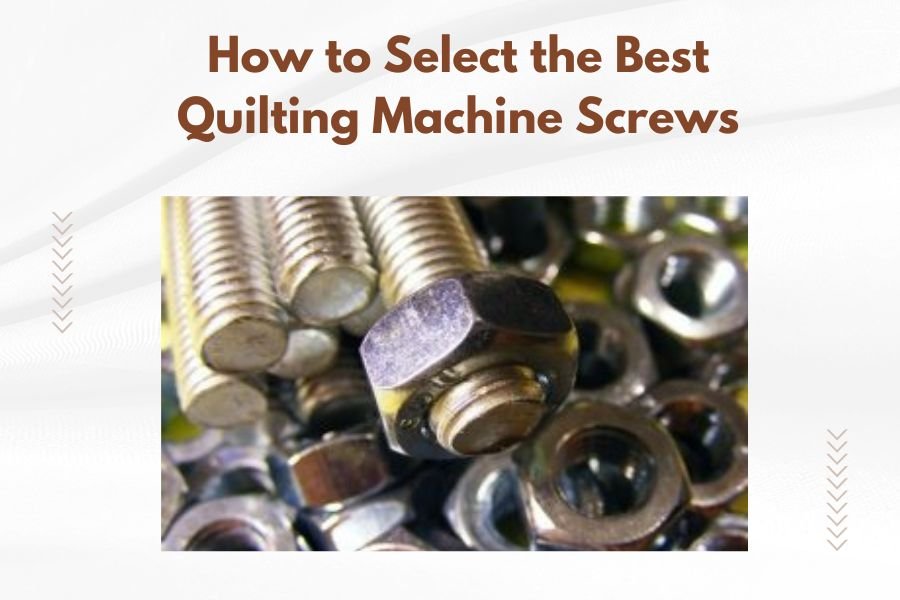
The best quilting machine screws have fine threads, corrosion-resistant coating, and match your machine’s original specifications for thread pitch and length.
Quality quilting machine screws prevent wobbling, reduce noise, and keep your machine running smoothly for years without needing constant adjustments.
What Makes Quilting Machine Screws Different
You might think a screw is just a screw. But quilting machines need special fasteners that handle constant vibration and precise movement. Regular screws from your toolbox won’t cut it.
Quilting machine screws face unique challenges. They hold parts together while the machine moves fabric back and forth thousands of times per hour. This constant motion creates stress that breaks down weak screws.
Thread Pitch Requirements
Thread pitch matters more than most people realize. Fine threads distribute pressure better than coarse ones. This prevents the screw from loosening during operation.
I found that most quality quilting machines use metric threads with pitches between 0.5mm and 1.25mm. Check your manual or measure existing screws before ordering replacements.
Measuring Thread Pitch Correctly
Use a thread pitch gauge if you have one. If not, count how many thread peaks fit in one millimeter. That’s your pitch measurement.
Take a photo of the screw threads next to a ruler. This helps when ordering online or asking for help at hardware stores.
Material Types for Maximum Durability
The material of your quilting machine screws affects how long they last. Some materials handle vibration better than others.
Stainless Steel Benefits
Stainless steel screws resist rust and corrosion. They stay strong even in humid sewing rooms. The 316 grade works best for quilting machines because it’s magnetic-resistant.
Many experts say stainless steel screws last 3-5 times longer than regular steel ones in quilting applications. The extra cost pays for itself in fewer replacements.
Alloy Steel Options
Alloy steel screws offer higher strength than stainless steel. They work well in high-stress areas like the needle bar assembly. Look for Grade 8 or higher markings.
These screws need protective coating to prevent rust. Zinc plating or black oxide coating works well for most sewing room conditions.
Titanium for Premium Machines
Some high-end quilting machines use titanium screws in critical areas. They’re lightweight and incredibly strong. But they cost much more than steel options.
Only consider titanium screws if your machine originally came with them. Mixing screw materials can create problems with thermal expansion.
Head Types That Work Best
The screw head type affects how well you can tighten and maintain your quilting machine. Different heads serve different purposes.
Socket Head Cap Screws
Socket head cap screws use Allen keys for tightening. They allow precise torque control and won’t strip easily. Most professional quilting machines use this type.
These screws sit flush or slightly recessed. This prevents snagging thread or fabric during quilting operations.
Phillips Head Considerations
Phillips head screws work fine for less critical areas. They’re easier to tighten without special tools. But they strip more easily than socket head types.
Avoid Phillips screws in high-vibration areas. The cross pattern weakens under constant stress and movement.
Torx Screws for Heavy Duty
Torx screws transfer more torque than Phillips without stripping. They’re becoming common in newer quilting machine designs. The star pattern distributes force evenly.
Keep the right size Torx drivers handy if your machine uses these screws. Standard screwdrivers will damage the head shape.
Length and Size Selection Guide
Getting the right screw length prevents damage to your quilting machine. Too short won’t hold properly. Too long can hit internal parts.
| Machine Part | Typical Screw Size | Common Length Range |
|---|---|---|
| Cover Panels | M4 x 0.7 | 8-12mm |
| Motor Mount | M6 x 1.0 | 15-25mm |
| Needle Bar | M3 x 0.5 | 6-10mm |
| Frame Assembly | M5 x 0.8 | 12-20mm |
Measuring Existing Screws
Remove one screw at a time to measure it. This prevents confusion about which screw goes where. Mark the location with tape if needed.
Measure diameter, length, and thread pitch. Write these numbers down before going to the store. Your phone’s camera helps document the original setup.
Accounting for Thread Engagement
The screw should engage at least 1.5 times its diameter into the threaded hole. More engagement is usually better for holding power.
If the original screw barely reaches, consider going slightly longer. But check that nothing blocks the path first.
Coatings and Treatments
Surface treatments protect screws from wear and corrosion. They also affect how well the screw holds its position.
Zinc Plating Protection
Zinc plating prevents rust on steel screws. It’s the most common coating for quilting machine hardware. The thin layer doesn’t affect screw dimensions much.
I found that zinc-plated screws handle normal sewing room humidity well. They cost less than stainless steel but offer good protection.
Thread Locking Compounds
Thread locker prevents screws from loosening due to vibration. Blue thread locker allows removal with tools. Red thread locker creates permanent bonds.
Use blue thread locker on screws you might need to remove later. Apply a small drop to the threads before installation.
Anodized Aluminum Parts
Some quilting machines have anodized aluminum parts. Use stainless steel screws with these components. Dissimilar metals can cause corrosion over time.
Avoid over-tightening screws in aluminum parts. The soft metal strips easily compared to steel threads.
Where to Source Quality Screws
Finding the right quilting machine screws takes some detective work. Start with your machine manufacturer first.
Manufacturer Parts Departments
Original equipment screws always fit correctly. They match the exact specifications your machine needs. Call the manufacturer’s parts department with your model number.
OEM screws cost more but eliminate guesswork. You know they’ll work correctly with your specific machine design.
Industrial Fastener Suppliers
Industrial suppliers carry high-quality metric screws in small quantities. They understand specifications and can help match your needs.
Bring sample screws when possible. The counter staff can match thread pitch and recommend appropriate materials.
Online Specialty Retailers
Several online retailers specialize in sewing machine parts. They stock common screw sizes and types for popular quilting machines.
Read reviews and check return policies before ordering. Some suppliers focus on specific machine brands.
Installation Tips for Long Life
Proper installation makes good screws last even longer. Follow these steps for the best results.
Torque Specifications
Most quilting machine screws need 2-5 Newton-meters of torque. Too tight cracks plastic parts or strips threads. Too loose allows vibration damage.
Hand-tight plus a quarter turn usually works for small screws. Use a torque wrench for critical fasteners if you have one.
Thread Preparation
Clean old thread locker from holes before installing new screws. Use a tap or thread chaser if threads look damaged.
A drop of light oil helps screws seat properly in metal threads. Avoid oil on screws that need thread locker.
Replacement Schedule
Replace screws if you notice loosening, corrosion, or damaged heads. Don’t wait for complete failure.
Check critical screws every few months during regular maintenance. This prevents surprise breakdowns during important projects.
Common Problems and Solutions
Even good screws can develop issues over time. Recognizing problems early saves expensive repairs.
Stripped Threads
Stripped threads usually result from over-tightening or using wrong screw types. Thread repair inserts can fix damaged holes.
Helicoil or Time-Sert inserts restore full thread strength. They’re permanent solutions for expensive machines.
Corrosion Issues
Rust and corrosion make screws hard to remove. Penetrating oil helps break corrosion bonds. Heat sometimes works too.
Replace corroded screws with stainless steel or better-coated versions. Address the moisture source to prevent future problems.
Vibration Loosening
Screws that constantly loosen need thread locker or lock washers. Check that the screw length is correct first.
Sometimes the threaded hole is worn and needs repair. A thread insert might be the permanent solution.
Conclusion
Selecting the best quilting machine screws comes down to matching specifications and choosing quality materials. Start with your machine manual for thread pitch and size requirements. Choose stainless steel or properly coated screws for longevity. Pay attention to head type for your tools and maintenance needs. Proper installation with appropriate torque and thread preparation ensures years of reliable service. Quality screws are a small investment that prevents costly machine downtime and repairs.
What happens if I use the wrong thread pitch on my quilting machine screws?
Wrong thread pitch screws won’t tighten properly and can damage the threaded holes in your machine. They may cross-thread during installation, requiring expensive repairs. Always match the original specifications exactly.
Can I substitute Phillips head screws for socket head cap screws in my quilting machine?
You can substitute them temporarily, but socket head screws provide better torque control and last longer under vibration. Phillips heads are more likely to strip and loosen over time in quilting machine applications.
How often should I check and tighten the screws on my quilting machine?
Check screws every 40-50 hours of use or monthly during regular maintenance. Focus on high-vibration areas like the needle bar and motor mounts. Tighten only if needed, as over-tightening causes more problems than loose screws.
Is it worth upgrading to titanium screws for my home quilting machine?
Titanium screws only make sense if your machine originally came with them or if you’re doing professional-level work with thousands of hours annually. For home users, quality stainless steel screws provide excellent performance at much lower cost.
What should I do if a screw breaks off inside my quilting machine?
Stop using the machine immediately and consult a qualified repair technician. Broken screws require special extraction tools and expertise to remove without damaging expensive internal parts. Attempting DIY removal often makes the problem worse.
