A good quilting machine carriage should have smooth-rolling wheels, sturdy construction, and adjustable height settings to match your quilting frame and comfort needs.
The best quilting machine carriage combines stability, mobility, and easy setup to help you create professional quilts without strain or wobbling during stitching.
Choosing the right carriage can make or break your quilting experience. You want smooth stitching, not frustration with a wobbly machine that ruins your beautiful quilt top.
I researched what makes carriages work well and found some clear patterns. The good ones share certain features that quilters love. The bad ones? Well, they teach you what to avoid.
What Makes a Quality Quilting Machine Carriage
Your carriage is like the foundation of a house. Get it wrong, and everything else wobbles.
From what I found online, quality carriages have three must-have features. They roll smoothly without catching. They hold your machine steady during quilting. And they adjust to fit different quilting frames and user heights.
Think of your carriage as your quilting partner. It should move when you want it to move and stay put when you need stability.
Frame Compatibility Requirements
Not every carriage fits every frame. This is like trying to put square pegs in round holes.
I came across frame compatibility charts that show which carriages work with popular brands. Grace frames need different mounting systems than Handi Quilter frames. Some carriages work with multiple frame types.
Check your frame’s rail dimensions before buying. Most rails are either 1.5 inches or 2 inches wide. Your carriage wheels must match this size.
Weight Capacity Considerations
Your carriage needs to handle your machine’s weight plus the force you apply while quilting.
Most domestic machines weigh 20-30 pounds. Longarm machines can weigh 40-80 pounds. Add quilting pressure, and you need a carriage rated for at least 50% more than your machine’s weight.
I found that carriages rated under 40 pounds often develop wheel problems or frame flex over time.
Types of Quilting Machine Carriages
You have three main carriage types to choose from. Each has pros and cons depending on your quilting style.
Fixed Height Carriages
These carriages keep your machine at one height. They’re simple and often less expensive.
Fixed height works well if you’re the only person using the quilting setup. You don’t need adjustment mechanisms that could wear out or break.
The downside? If the height doesn’t fit you perfectly, you’ll develop back pain or shoulder strain during long quilting sessions.
Best Uses for Fixed Height
Fixed carriages work great for dedicated quilting rooms where one person does all the work. They’re also good for beginners who want simple, reliable equipment.
Many quilters start with fixed height carriages and upgrade later when they know their preferences better.
Adjustable Height Carriages
These let you change the machine height to match your comfort level. Most adjust from 36 to 42 inches.
Adjustable height carriages cost more but offer better ergonomics. You can fine-tune the position to reduce strain on your back, shoulders, and arms.
I heard from experts that proper height prevents fatigue during long quilting sessions. Your elbows should bend slightly when your hands rest on the machine handles.
Height Adjustment Mechanisms
You’ll find two common adjustment types: pin locks and screw mechanisms.
Pin locks adjust in fixed increments, usually every inch. They’re fast to change but give you fewer height options.
Screw mechanisms offer infinite adjustment within their range. They take longer to adjust but let you find your perfect height.
Wheel-Based vs Track Systems
Most carriages use wheels that roll on your quilting frame rails. Some newer systems use track mechanisms instead.
Wheel systems are proven and reliable. Good wheels roll smoothly and last for years. Bad wheels catch, skip, or wear out quickly.
Track systems promise smoother motion but cost more and have fewer repair options if something breaks.
Key Features to Look For
Smart features make quilting more enjoyable. Here’s what to prioritize when shopping.
Wheel Quality and Materials
Wheels make or break your quilting experience. You want smooth, quiet rolling without wobbling.
I researched wheel materials and found that polyurethane wheels last longest. They grip the rails well without marking them. Plastic wheels work but wear out faster.
Look for sealed bearings in the wheels. They roll smoother and need less maintenance than plain bushings.
Wheel Size Considerations
Bigger wheels roll over small obstacles better than small wheels. Think about how bicycle wheels work – larger wheels give a smoother ride.
Most quality carriages use 2-3 inch diameter wheels. Anything smaller tends to catch on rail imperfections.
Stability and Support Structure
Your carriage needs rigid construction to prevent machine bounce during quilting.
Steel construction beats aluminum for stability, but aluminum is lighter if you move your carriage often. Look for thick tubing and solid joints.
Cross-bracing between the rails adds stability without much weight. Carriages without bracing often develop flex problems.
Anti-Vibration Features
Machine vibration transfers through the carriage to your quilting frame. This creates noise and can affect stitch quality.
Some carriages include rubber isolation mounts or dampening pads. These reduce vibration transfer and make quilting quieter.
Easy Assembly and Adjustment
You shouldn’t need an engineering degree to set up your carriage. Good designs assemble quickly with basic tools.
Look for clear instructions and logical assembly sequences. Pre-assembled sub-components save time and reduce errors.
Adjustment mechanisms should work smoothly without excessive force. If demo models feel stiff or sticky, keep shopping.
Measuring Your Setup Requirements
Before buying any carriage, measure your space and equipment. This prevents expensive mistakes.
Frame Rail Specifications
Measure your quilting frame rails carefully. You need width, height, and shape information.
Most rails are either 1.5″ or 2″ wide. Some have rounded edges, others are square. The carriage wheels must match your specific rail profile.
Take photos of your rails from multiple angles. This helps when talking to carriage manufacturers or dealers.
Rail Spacing and Length
Measure the distance between your frame rails. Carriages need specific rail spacing to work properly.
Also measure your available quilting length. Some carriages extend beyond the machine footprint and need extra clearance.
Your Machine Specifications
Write down your quilting machine’s weight, dimensions, and mounting requirements.
Check if your machine needs special mounting plates or adapters. Some carriages include universal mounting systems, others require specific hardware.
Don’t forget about power cords, thread guides, and other accessories that extend beyond the basic machine footprint.
Handle and Control Placement
Your machine’s handles and controls affect which carriage designs work best for you.
Machines with handles on the ends work with most carriages. Machines with controls on the front or back might need specific carriage designs.
Popular Carriage Brands and Models
Several companies make quality quilting machine carriages. Each has strengths in different areas.
Grace Company Carriages
Grace makes carriages for their own frames and some universal models. They’re known for solid construction and good customer support.
I found that Grace carriages typically include good instructions and necessary hardware. Their height adjustment mechanisms work smoothly.
Grace carriages cost more than generic options but offer better long-term reliability.
Handi Quilter Options
Handi Quilter focuses on longarm quilting systems. Their carriages integrate well with their machines and frames.
These carriages often include features specific to longarm quilting, like vibration dampening and precision height adjustment.
If you use Handi Quilter equipment, their carriages provide the best compatibility and performance.
Universal Third-Party Options
Several companies make carriages that work with multiple frame brands. These offer flexibility if you change equipment later.
Universal carriages usually cost less than brand-specific options. They work well for basic quilting but might lack advanced features.
Research compatibility carefully with universal carriages. What works for one quilter might not work for your specific setup.
Budget Considerations and Value
Quilting machine carriages range from $200 to over $1000. Higher price doesn’t always mean better value for your needs.
Entry-Level vs Premium Features
Basic carriages handle essential functions: holding your machine and rolling on the rails. They work fine for occasional quilting.
Premium carriages add adjustability, better materials, and smoother operation. These features matter more if you quilt frequently or for long sessions.
Consider how often you’ll use the carriage and how much comfort matters to you.
Cost-Benefit Analysis
A $300 carriage that lasts 10 years costs less per year than a $150 carriage that needs replacement after 3 years.
Factor in your quilting time too. If poor ergonomics cut your quilting sessions short, a better carriage pays for itself in increased productivity.
Hidden Costs to Consider
Some carriages need additional accessories or modifications to work with your setup.
Mounting plates, rail adapters, and height extensions can add $50-200 to your total cost. Ask about these before buying.
Shipping costs matter too. Carriages are heavy and bulky, so shipping can cost $50-100 for distant purchases.
| Feature | Entry Level | Mid-Range | Premium |
|---|---|---|---|
| Price Range | $200-400 | $400-700 | $700-1200 |
| Height Adjustment | Fixed | Pin or Screw | Precision Screw |
| Wheel Quality | Basic Plastic | Polyurethane | Premium Bearings |
| Frame Material | Aluminum | Steel/Aluminum | Heavy Steel |
| Vibration Control | None | Basic Dampening | Advanced Isolation |
Installation and Setup Tips
Proper installation ensures your carriage works smoothly and safely. Take time to get it right.
Pre-Installation Checklist
Clean your quilting frame rails before installing the carriage. Remove any dust, lint, or old lubricant.
Check rail alignment using a straight edge. Bent or misaligned rails cause carriage problems that look like manufacturing defects.
Gather all tools before starting. Most carriages need basic wrenches and screwdrivers for assembly.
Common Installation Mistakes
Over-tightening wheel assemblies is the biggest mistake I found online. This causes binding and premature wear.
Skipping alignment checks leads to uneven rolling and machine positioning problems. Take time to verify everything is square and level.
Not securing mounting hardware properly creates safety hazards. Your expensive quilting machine could fall if bolts work loose.
Maintenance and Troubleshooting
Regular maintenance keeps your carriage rolling smoothly for years. Most problems are easy to prevent.
Routine Cleaning and Lubrication
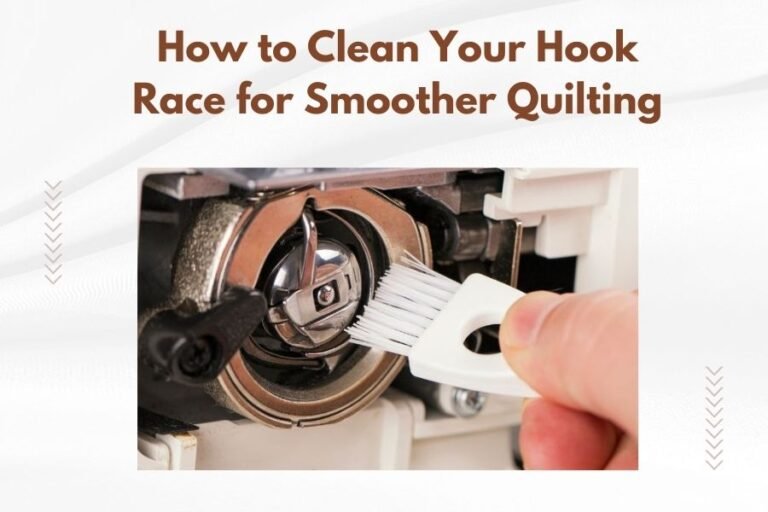
Clean the rails and wheels monthly if you quilt regularly. Thread lint and dust cause most rolling problems.
Use a dry cloth or vacuum to remove debris. Avoid wet cleaning unless the manufacturer recommends it.
Lubricate wheel bearings annually with light machine oil. Don’t over-lubricate – excess oil attracts more dirt.
Wheel Replacement Indicators
Replace wheels when you notice flat spots, cracks, or excessive wobbling. Worn wheels damage your frame rails.
Most wheels last 2-5 years depending on use. Quilters who work daily need more frequent replacements than weekend quilters.
Solving Common Problems
Sticky rolling usually means dirty rails or wheels. Clean everything before assuming mechanical problems.
Machine bounce often comes from loose mounting bolts or worn wheel bearings. Check and tighten all connections.
If your machine drifts during quilting, check wheel alignment and rail condition. Worn rails cause tracking problems.
Conclusion
The right quilting machine carriage transforms your quilting experience from frustrating to enjoyable. Focus on compatibility with your frame, smooth rolling wheels, and the stability your machine needs.
Start with your budget and must-have features, then compare options from reputable manufacturers. A good carriage lasts for years and supports countless beautiful quilts.
Remember that the best carriage is the one that fits your specific setup and quilting style. Take measurements, ask questions, and choose quality components that will serve you well for years to come.
What’s the difference between fixed and adjustable height carriages?
Fixed height carriages keep your machine at one position and cost less, while adjustable carriages let you change the height for better comfort and ergonomics. Adjustable carriages are better if multiple people use the same quilting setup or if you want to fine-tune your working position.
How do I know if a carriage will fit my quilting frame?
Measure your frame rails’ width, height, and spacing, then compare these measurements to the carriage specifications. Most rails are either 1.5 or 2 inches wide, and the carriage wheels must match exactly. Contact the manufacturer if you’re unsure about compatibility.
What wheel material works best for quilting machine carriages?
Polyurethane wheels with sealed bearings offer the best combination of smooth rolling, durability, and quiet operation. They grip the rails well without marking them and typically last longer than plastic alternatives while rolling more smoothly than metal wheels.
Can I use a universal carriage with any quilting machine brand?
Universal carriages work with many machine and frame combinations, but you should verify compatibility before purchasing. Check weight limits, mounting requirements, and rail specifications. Some machines need specific mounting plates or adapters that may not come with universal carriages.
How often should I maintain my quilting machine carriage?
Clean the rails and wheels monthly during regular use, and lubricate wheel bearings once per year with light machine oil. Replace wheels when you notice flat spots, cracks, or wobbling. Most wheels last 2-5 years depending on how frequently you quilt.